Why More Municipalities Are Choosing Underground Trash Can Systems?
With urbanization and the increased use of public areas, we’ve got to manage municipal waste more and more complicated. Conventional surface trash bins, although they are common, usually fail to fulfill the present-day needs of capacity, hygiene, cost control, and visual urban appeal.
Thus, an increasing number of cities are looking for underground garbage can systems as the main and future-oriented solution for public refuse collection.
Growing Waste Management Challenges in Modern Cities
Modern cities are facing various challenges that impact d waste management decisions.
Public parks, footways, transport terminals, and commercial areas produce more garbage than any other time in history. By the same token, cities are required to:
- Ensure clean and aesthetic public spaces
- Control operating and labor costs
- Minimize complaints concerning smell, overflow, and pests
- Enhance Efficiency Without Expanding Collection Fleets
Conventional surface waste bins tend to get frequently emptied, tend to overflow during peak periods, and are a cause for untidy roadscapes. The drawback in these bins creates a necessity for urban waste collection systems that can deal with larger quantities effectively.
It is here that the underground options begin to have distinct advantages.
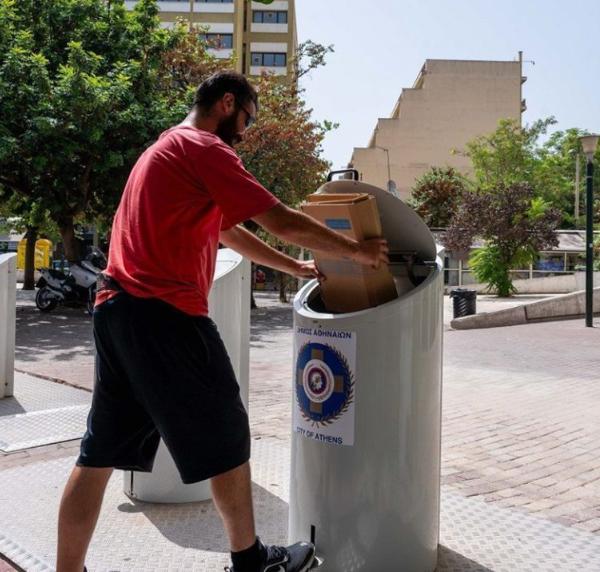
How Underground Trash Can Systems Address Municipal Pain Points?
Urban refuse disposal organizations encounter numerous operational challenges, and hence, underground trash can systems are designed for such problems, rather than just replacing the regular bins.
More Capacity and Less Frequent Collection
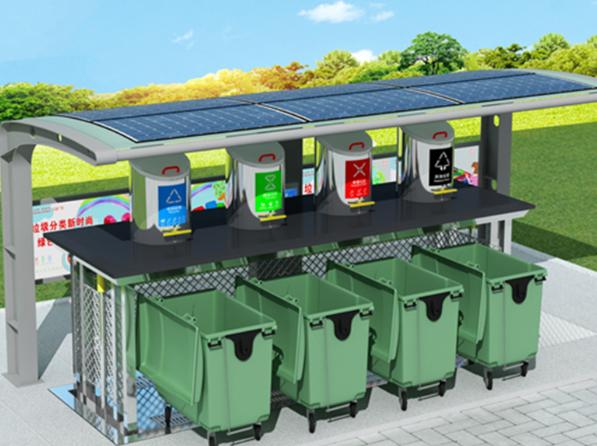
The capacity is a primary reason why municipalities go for underground waste containers.
In contrast to regular bins, the underground trash cans keep the majority of the waste under the ground, thus allowing for:
- A tremendous amount of waste volume per unit
- Decrease in collections to a couple of times a week
- Peak waste times are managed better (events, weekends, tourist seasons)
For instance, in the case of city centers and public parks, less frequent collection means fewer trucks, less disruption of traffic, and reduced fuel and labor costs.
Superiority of Odor Control and Public Health
Garbage placed underground is to a great extent insulated from both heat and sunlight. This leads to hygiene improvements that can be quantitatively assessed:
- Organic waste has a slower decomposition
- Odors at the street level are less of a problem
- Insects and rats are less attracted to this environment
For towns and cities that are dealing with high-density public areas, controlling the odor is sometimes the most important factor for the public to be satisfied. Underground waste containers not only help to keep cleaner and nicer areas but also save resources from frequent cleaning.
Improving Urban Aesthetics and Public Space Design
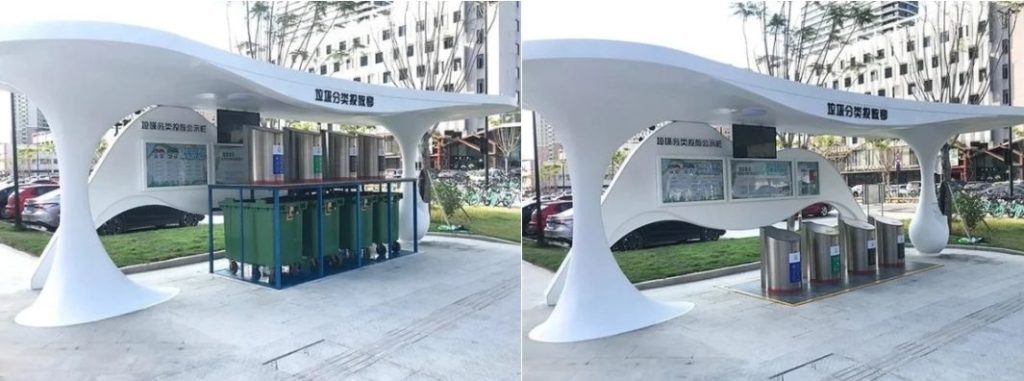
The urban design feature has now come more to the fore in municipal procurement decisions, as city centers and tourist areas are taken into consideration.
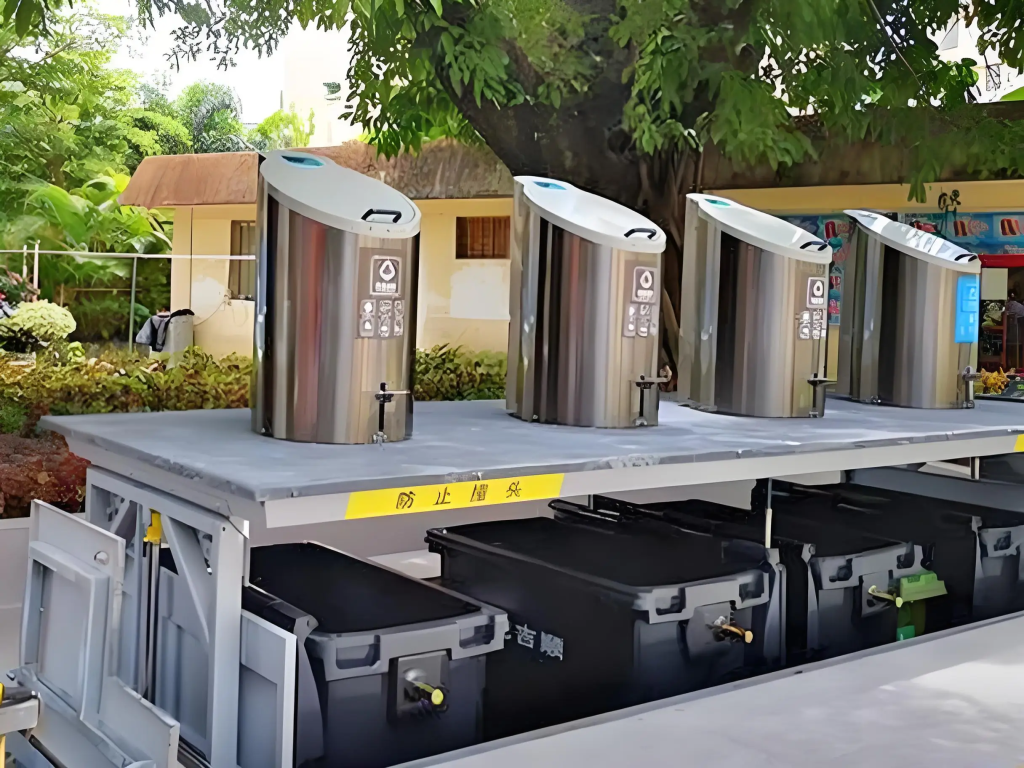
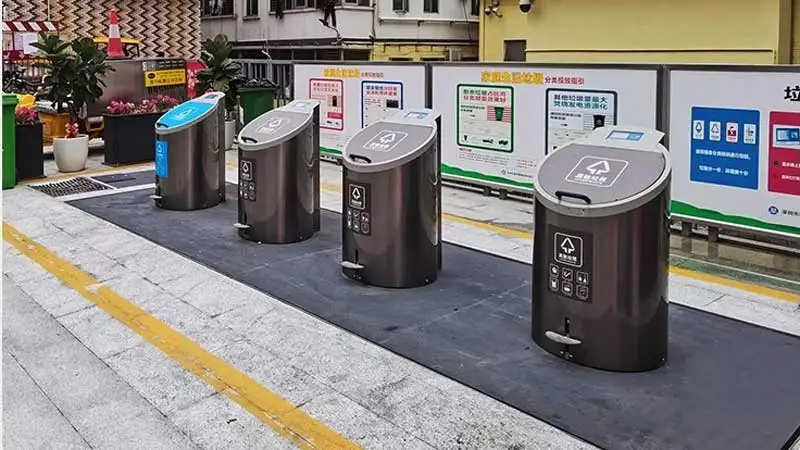
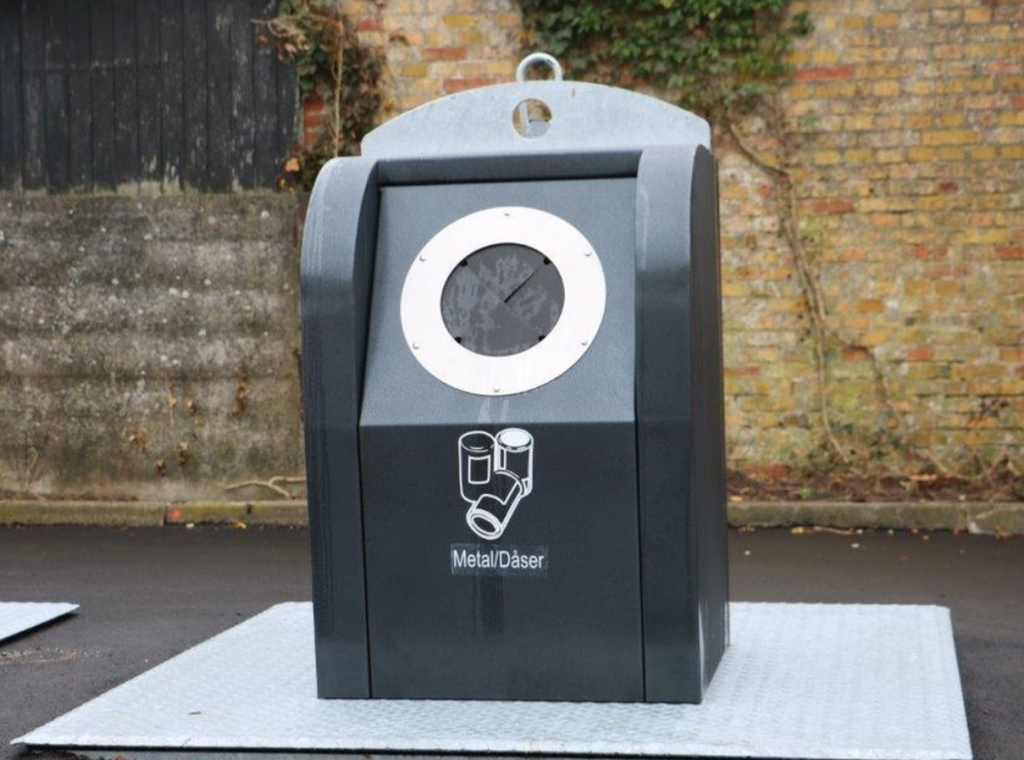
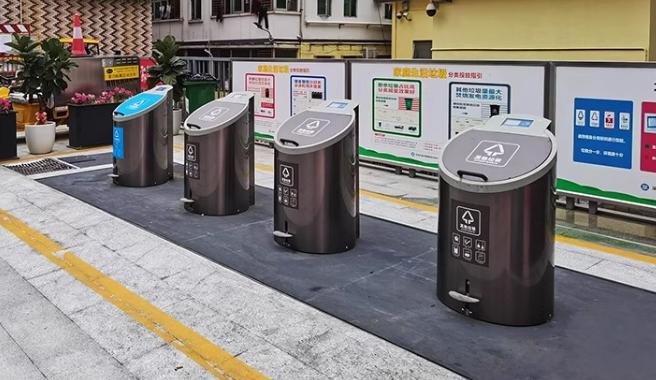
In underground waste containers, only the inlet of the waste is visible above ground. This brings about several advantages:
- Cleaner and more organized streetscapes
- Smarter integration with landscape design within an urban environment
- Less visual impact on the historic or cultural district
Many underground garbage can systems can be fabricated with various inlet designs, colors, or finishes to match the surrounding architecture. For municipalities focused on enhancing the quality of public space, underground solutions support both functionality and appeal.
Performance balanced with aesthetics, this is one of the major reasons why underground trash cans are increasingly specified in both urban redevelopment and smart city projects.
Long-Term Cost Efficiency for Municipal Waste Management
Even though underground trash can systems might need to be more expensive to set up, the cities are starting to see their advantages over the years in terms of money.
Decreased Operational and Labor Expenses
Collection frequency directly points to cost-saving in waste management, and municipalities gradually witness the following benefits:
- Better collection routes
- Less vehicle consumption
- Less workforce needed
The savings breed continuously, making the underground systems a waste solution attractive to municipalities from an economic aspect, even in the long run.
Durable Design for Long-Term Public Use
Underground trash cans are made to be robust. The more superior systems employ the following:
- Corrosion-resistant steel or reinforced concrete
- Weather-resistant coatings
- Robust lifting mechanisms for repeated use
These systems, since they have to face continuous public use, will need fewer replacements and less maintenance, thereby lowering lifecycle costs for the municipal authorities.
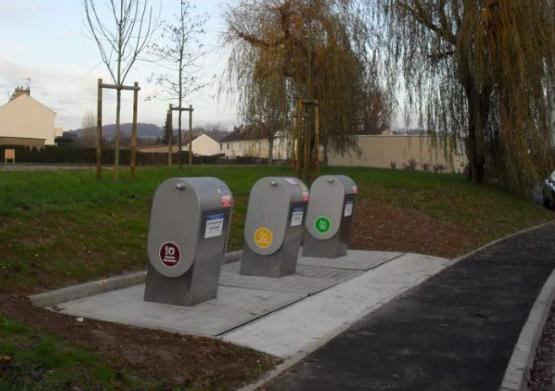
Key Considerations When Municipalities Adopt Underground Trash Can Systems
Planning and choosing the right suppliers are essential for the success of the project in case the cities think of underground solutions.
Installation Requirements and Site Conditions
The implementation of the underground trash can system depends on the careful study of the conditions at the site, which should include:
- Soil type and load-bearing capacity
- Drainage and waterproofing requirements
- Underground utilities and infrastructure
Suppliers with experience can assist the municipalities by offering installation advice and creating system designs that are suitable for the local conditions.
Safety, Load Capacity, and Compliance
The safety of the public is the priority when it comes to municipal projects. Underground trash cans must be able to withstand:
- The safety of pedestrians around inlets
- Structural load capacity
- Compatibility with lifting or emptying systems
Local regulations and standards can only be resolved at the project planning stage, and that is early in the project.
Choosing the Right Supplier and System Design
Municipalities increasingly look beyond product specifications and focus on supplier capability. Key factors include:
| Consideration | Why It Matters |
| Customization capability | Adapting to different public spaces |
| Manufacturing quality | Long-term durability |
| Project experience | Reduced implementation risk |
| Technical support | Smooth installation and operation |
Selecting the right underground trash can system supplier ensures the solution performs as intended throughout its lifecycle.
The adoption of subterranean waste disposal methods has slowly but surely been accepted as the most practical and visionary option for the control of municipal refuse in cities that are still working on the quality of public spaces, cleanliness, and efficiency, among other things.
Modern municipalities are very much in line with underground trash cans that, besides eliminating the problems associated with capacity, operate at a lower cost, have been hygienically improved, and have contributed to a better cityscape, that is, the installation of new waste disposal methods that do not involve contaminating the environment with rubbish.
Cities that are already making plans for new infrastructure or upgrading their existing waste collection systems can consider the underground solutions as a standard approach, no longer a niche option.
Seeking advice for your waste management program? Contact us for free consultation and customized solutions!
Related Products