How to Prevent Anti-Theft and Vandalism in Public Textile Recycling Bins?
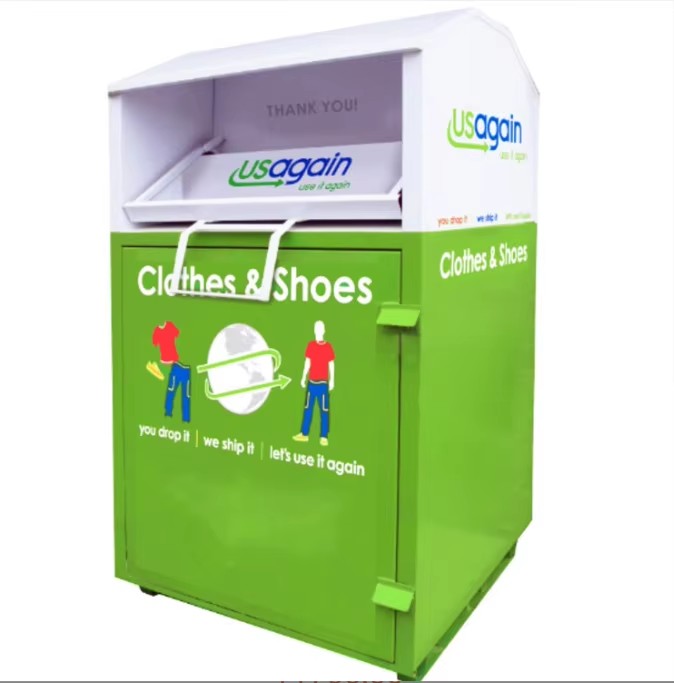
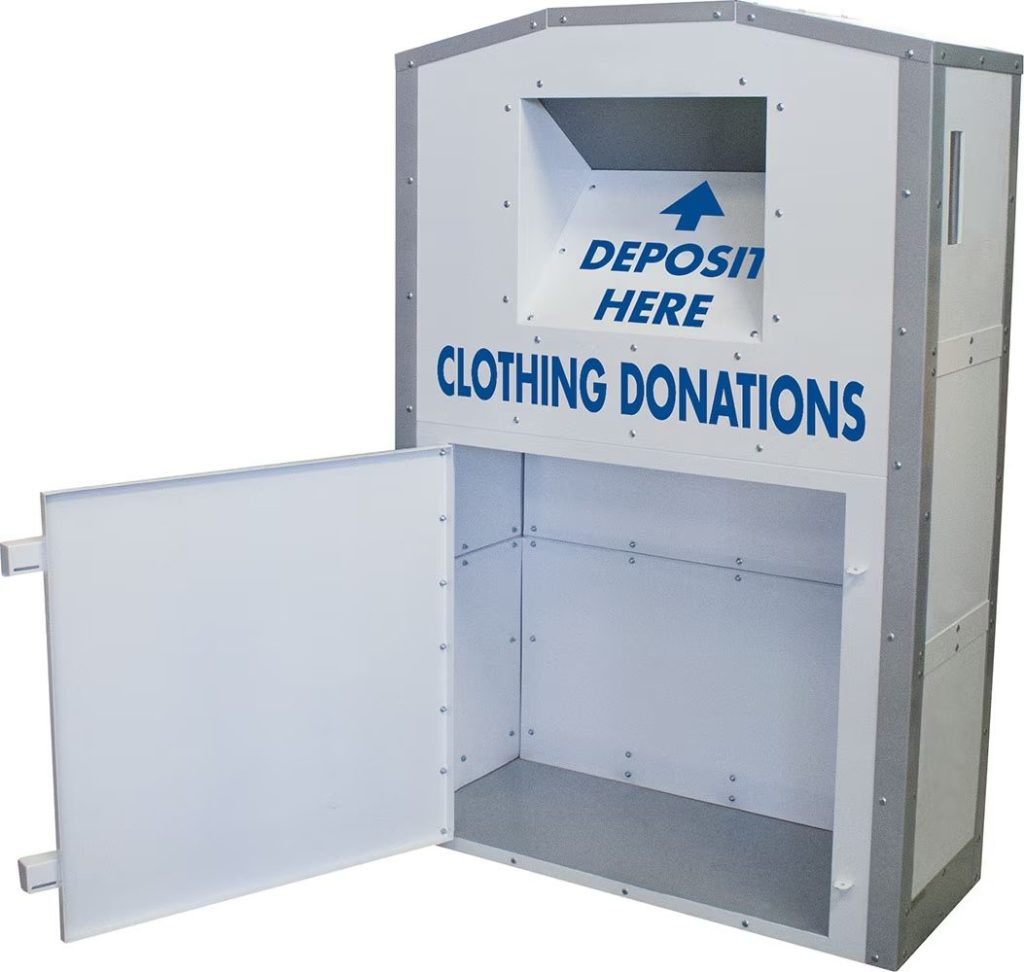
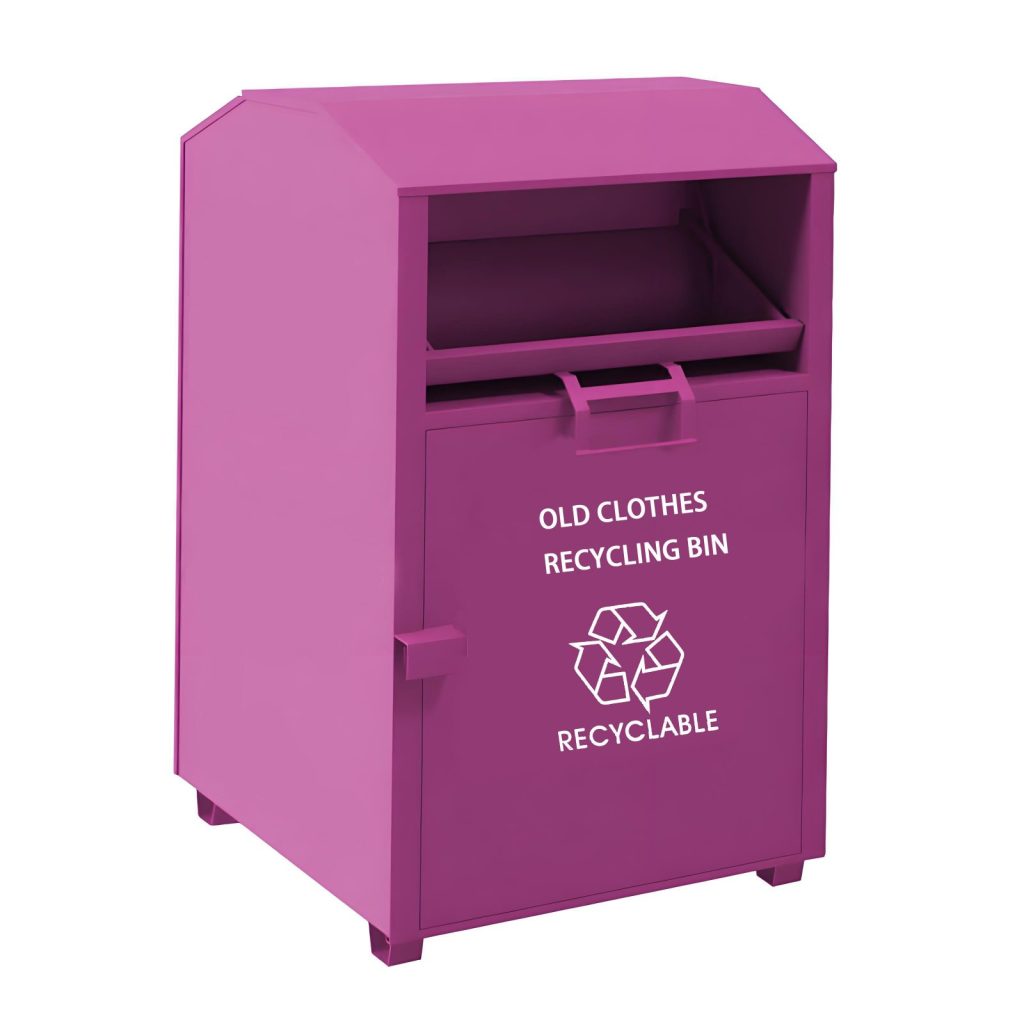
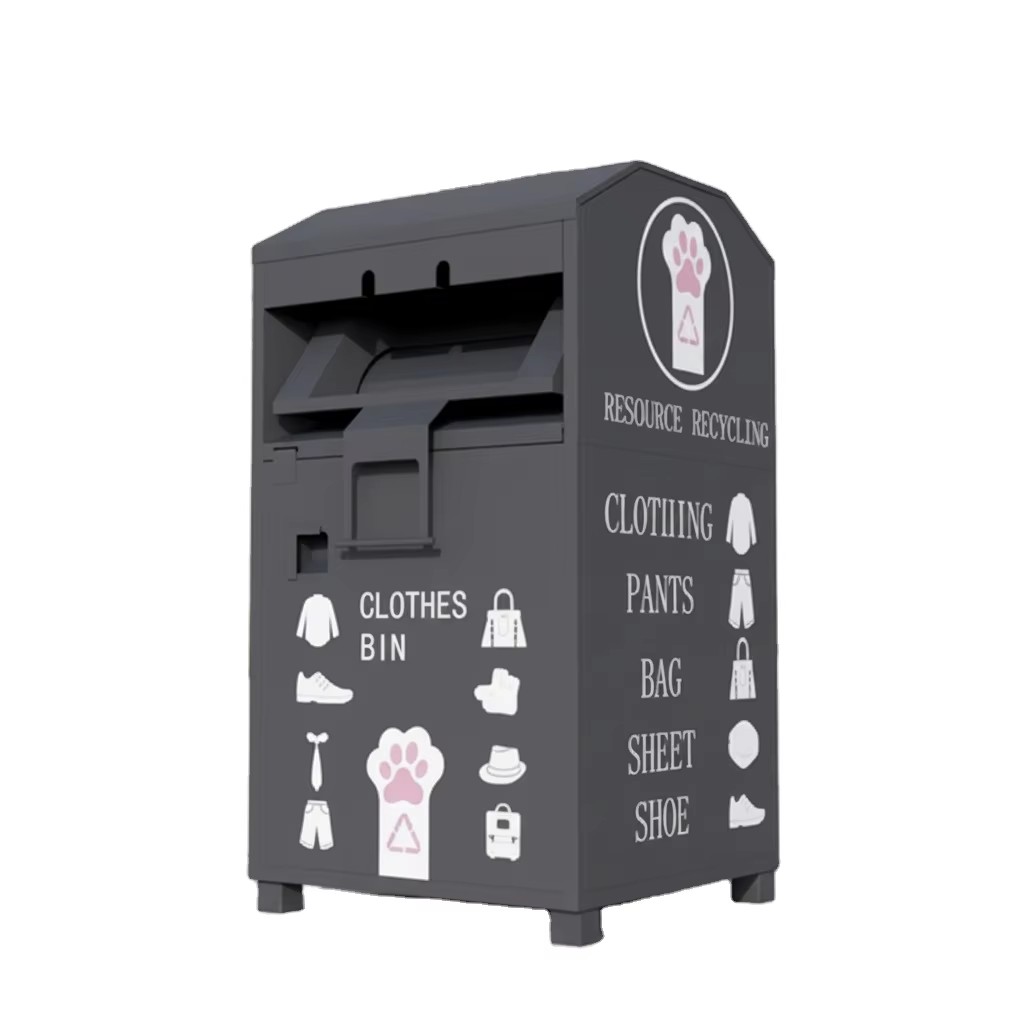
One efficient strategy for collecting worn-out clothing, shoes, and blankets is putting textile recycling bins in public spaces. Unfortunately, managing the outdoor system entails two significant challenges: loss of stock and vandalism.
If your containers are vulnerable to theft, then the clothes will be stolen by criminals, reducing your earnings. Additionally, repair of broken doors, replacement of cut locks, and removal of spray painting on the metal parts will cost even more money.
In order to operate your clothing recycling program successfully and profitably, you’d better not use any cheap metal containers that come your way. On the contrary, you have to purchase high-end equipment that will effectively prevent theft and vandalism.
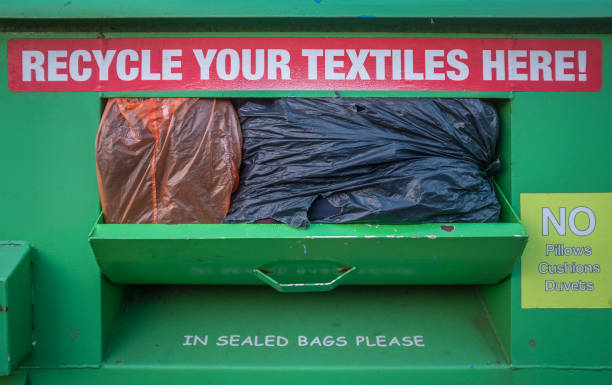
Common Types of Theft and Damage
Before you purchase any equipment or deploy a fleet, you must understand exactly how thieves and vandals operate in the field. Based on feedback from city waste management teams and recycling operators, there are three primary threats to your bins:
- Clothing Fishing (Theft via Chute): This is the most common form of theft. Thieves do not try to break the bin door. They use long sticks with hooks, ropes, or even their own hands to reach inside the deposit slot. If the bin uses a cheap, open-chute design, thieves can easily fish out premium garments.
- Forced Entry (Prying and Cutting): Many operators try to save money by using standard padlocks on the outside of the door. Thieves look for these bins. They use heavy bolt cutters to snap the padlock shackle easily. Alternatively, they use long crowbars to pry the gap between the door and the frame until the metal warps and the lock pops open.
- Vandalism and Structural Abuse: Clothing recycling bins in public parks or streets are constant targets for graffiti, illegal posters, and physical violence. If the metal walls are too thin, a few hard kicks or a minor impact from a reversing car will bend the frame. Once the frame is bent, the door will not close or lock correctly, making the bin completely useless until you pay for a replacement.
Anti-Theft Structural Designs
The best possible way to prevent clothing theft is to make it mechanically impossible. While studying technical drawings or discussing it with a factory, you have to demand three mechanical security measures:

Anti-Fishing Double Chute System
You should never purchase a textile recycling machine with a single chute entrance. There always has to be a double baffle or rotating drum chute system.
The mechanism operates in two phases. Upon pulling the lever that opens the outer chute door, the internal steel plate will automatically swing upward. It creates a ceiling barrier preventing any access to the clothes stored at the bottom. The user puts his or her bag of clothing on the tray. Once the lever is released, the outer chute closes, and the steel plate drops, allowing the bag to drop down to the bottom storage.
As a result, no one can ever access the inside part while the chute is open since the steel plate is always creating an obstacle.
Internal Multi-Point Locking System
When the bin has an external hasp or even a lockable padlock externally, it becomes a vulnerable target. Professional-grade recycling bins should make use of the internal locking system.
In this system, the locking rods, the sturdy locks, and the engagement teeth are all welded inside the steel frame of the door. The only thing that will be seen from the outside of the bin is the anti-drill keyhole shield. Since the lock itself is protected by the steel plate, any attempt at cutting off the lock or forcing entry using crowbars will not succeed.
Internal Hinges
Most people tend to overlook the hinges on the door. Should your door hinges be welded on the exterior of the trash can, all someone needs to do is take their hammer, angle grinder, or hand saw and cut the hinges off the wall, thereby taking away the whole door.
Ensure that your supplier provides you with strong hinges that are fixed either by bolting or welding from the interior of the bin. The hinges should be completely concealed when the door is closed.
Material Requirements for Anti-Vandalism
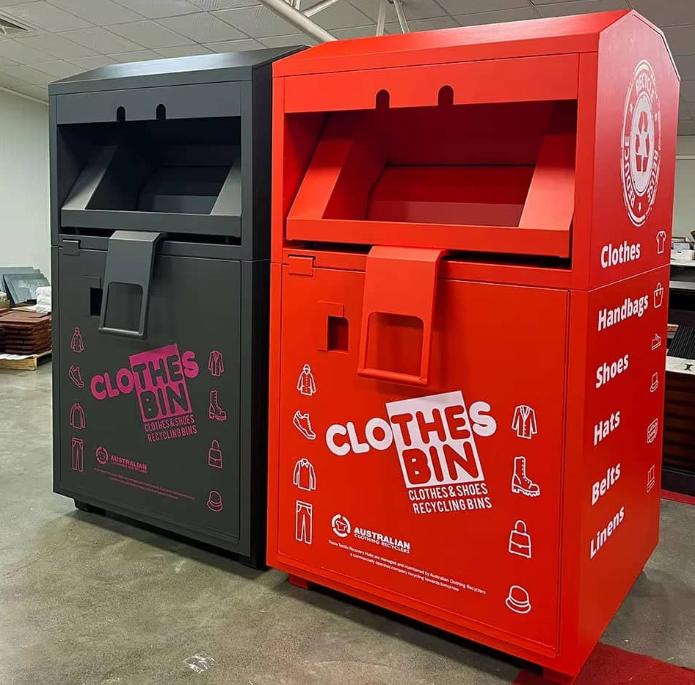
The mechanical design cannot be achieved when the metal sheets used are too thin. The following guidelines will make sure that the bins last more than 5 or 10 years outside and do not structurally collapse:
- Industrial Steel Sheets Thickness: Most cheap bins utilize sheets that are either 0.8mm or 1.0mm thick in order to minimize costs. These sheets bend easily when there is an impact. In order to make public bins, the body panels of the bin have to be made using sheets that are 1.2mm to 1.5mm thick. Attack areas such as the front door and rotating chute assembly have to be made using 2.0mm sheets.
- Galvanized Steel Base: Bins are exposed to frequent rainfall, snowfall, and humidity. Cold-rolled steel will rust rapidly after the paint is scratched, weakening the structure of the bin. You should insist on hot-dip galvanized steel. The zinc coating acts as a barrier to protect the base material from corrosion.
- Outdoor Powder Coating: Do not settle for poor-quality liquid paint that will chip and fade. Quality bins have an electrostatic architectural-grade outdoor powder coating applied at high heat to form a solid coating that will not succumb to UV rays and allow to be wiped off with regular solvents.
Placement and Technology Integration
Hardware alone isn’t enough. How you deploy and monitor your bins in the city plays a huge role in preventing crime.
Placement Strategy Guidelines
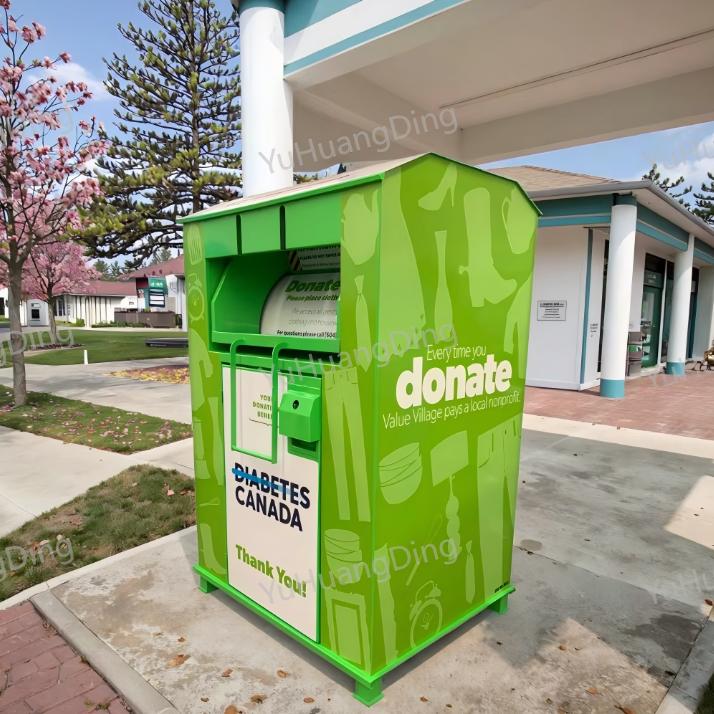
Thieves and vandals do not want to be seen. I By placing your bins in dark alleyways or behind buildings, you’re inviting vandalism. Always follow these placement guidelines:
- Position bins in high traffic commercial areas like supermarket or shopping mall parking lots.
- Make sure that the bin is placed directly below a public street light or a commercial business light.
- Position bins where they can be directly monitored by CCTV cameras.
IoT Security Sensors
In case you have a fleet of textile recycling boxes to take care of, consider fitting them with battery-operated IoT (Internet of Things) sensors mounted at the top ceiling of the units. These robust devices offer two security features:
- Alerts on Vibration or Tilt: The sensor comes with an accelerometer. In case of any attempt to turn the bin over, smash its lid using a sledgehammer, or cut the bin using a power tool, an alert will instantly be sent to your smartphone or computer dashboard.
- Alarms on Fill Levels: The fill level is determined through ultrasonic sensors. Once the bin is full, there will be clothing right below the opening. Thieves will find it easy to steal the clothing from the bin when it is full.
Summary
In the course of implementing a public textile recycling program, it would be cheaper in the long run to invest in high-quality, thick metal bins rather than cheap, thin-metal bins because of the risks of theft and constant repairs. Prioritizing anti-fishing double chutes, hidden internal locks, and heavy-gauge galvanized steel is the only way to build a secure, low-maintenance, and profitable recycling network.
Related Products