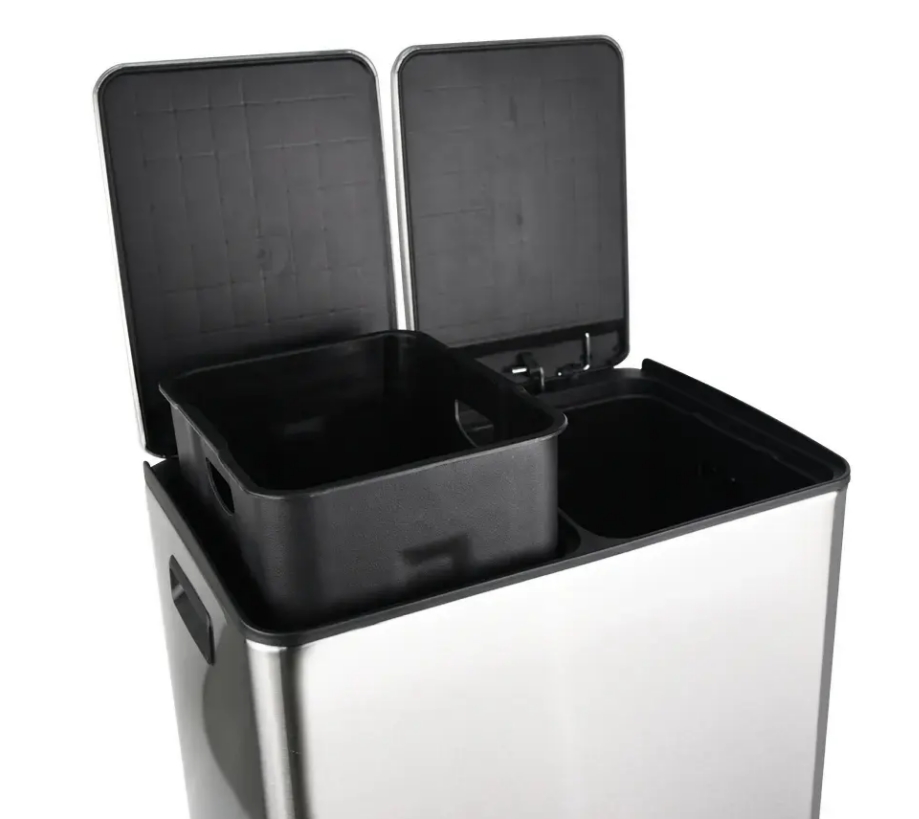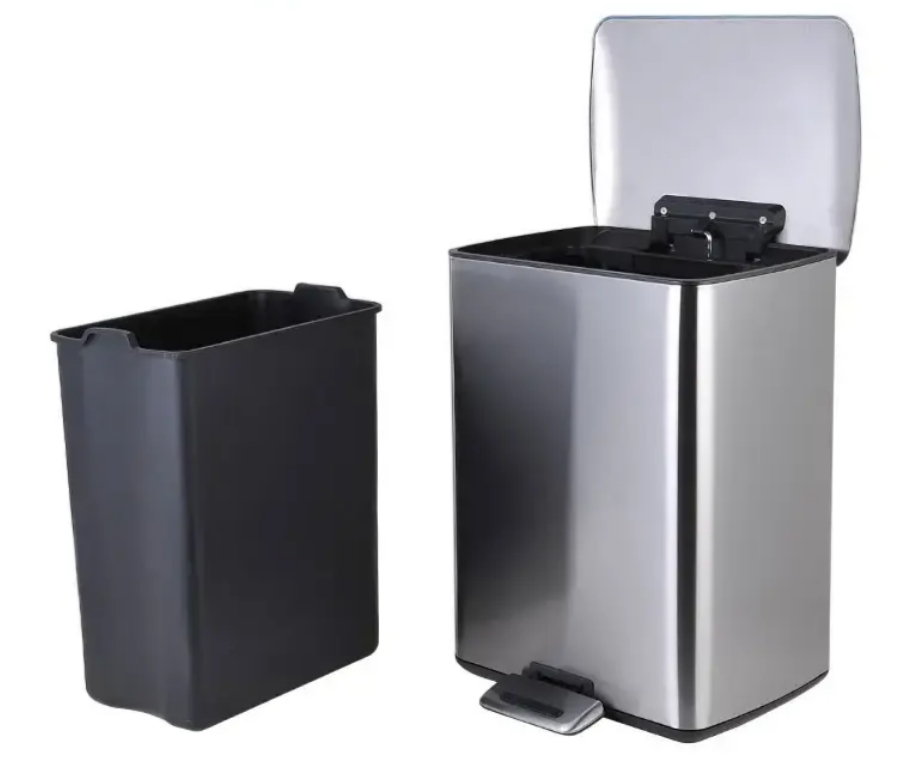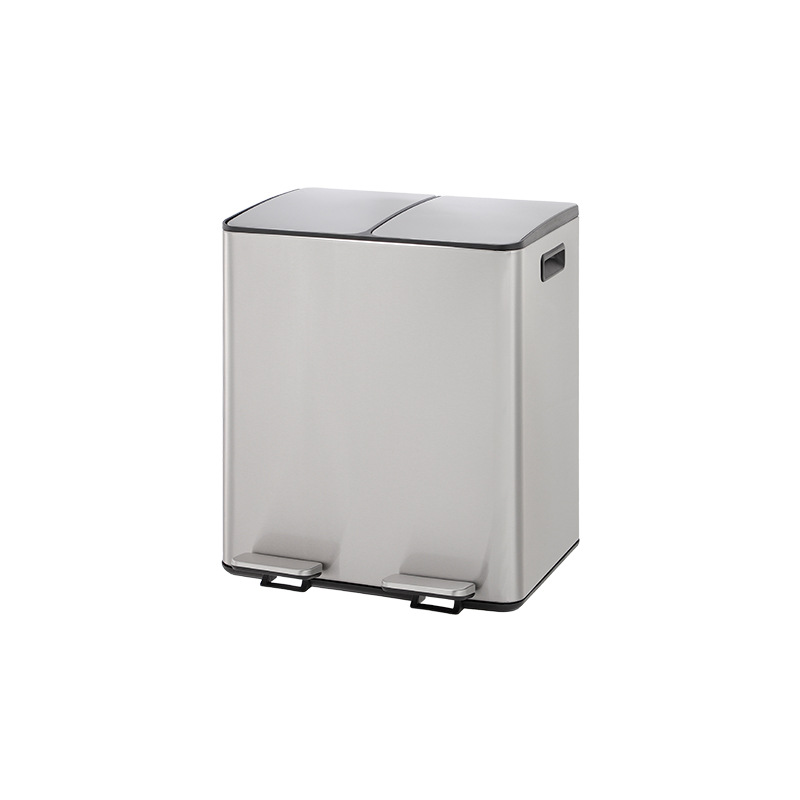
How Big Is a Kitchen Trash Can? Average Size Of Kitchen Trash Can
Choosing a kitchen trash can sounds simple. After all, it is just a place to throw things away. Yet many people discover too late that the size they picked does not really work. It may be too small and fill up in one day, or too large and take over valuable floor space. The truth is, the right size can make daily kitchen routines feel easier and more organized.
So how big is a kitchen trash can supposed to be? And what size is considered best kitchen trash base size? Let us walk through the answers step by step and help you find the best fit for your home.
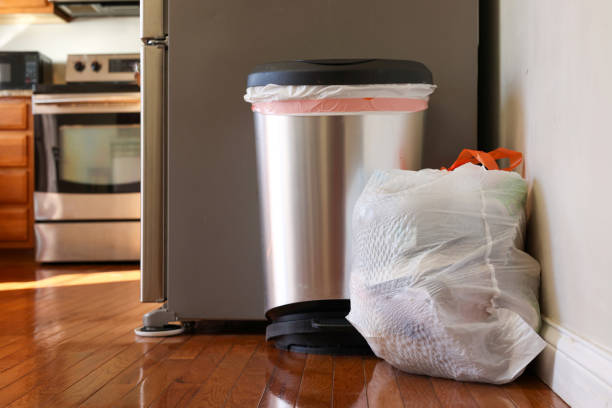
How Big Is a Kitchen Trash Can on Average?
Most kitchen trash cans fall into three general size ranges. These are based on capacity, usually measured in liters or gallons.
| Trash Can Size | Capacity (Liters) | Capacity (Gallons) | Best For |
| Small | 10–20 L | 2.5–5 gal | Apartments, under-sink cabinets, small kitchens |
| Medium | 25–35 L | 6–9 gal | Small families, compact kitchens |
| Large | 40–50 L | 10–13 gal | Family kitchens, heavy daily use |
| Extra Large | 60 L+ | 15 gal+ | Large households, high cooking frequency |
The average size of a kitchen trash can is usually in the medium to large range, around 45 liters or 13 gallons. This size works well for many households because it balances capacity and footprint. It is large enough to hold a day or two of waste, but not so big that it becomes awkward in the kitchen.
What Size Is a Typical Kitchen Trash Can?
When people ask, “What size is a typical kitchen trash can?” they are usually thinking about what most families use every day.
In many homes, the most common choice is a 13-gallon (about 45–50L) trash can. This size is often seen as the standard for a regular family kitchen. It is big enough for food scraps, packaging, and daily waste, yet still fits comfortably next to cabinets or an island.
For smaller households, such as one- or two-person apartments, a 25–30L (6–8 gallon) trash can is often enough. For larger families or homes where cooking happens often, a 45–60L model feels more practical.
In other words, the typical size depends on how many people live in the home and how the kitchen is used.
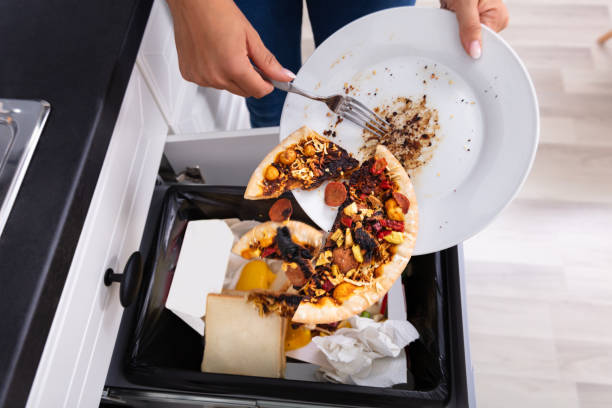
Different Sizes of Trash Cans and Their Uses
Not every kitchen needs the same trash can. Understanding the different sizes of trash cans can make your choice much easier.
Small Trash Cans (10–20L / 2.5–5 gal)
- Studio apartments or very compact kitchens
- Secondary bins for recycling or food waste
- Under-sink installations with limited space
They are easy to hide and quick to empty, but they fill up fast.
Medium Trash Cans (25–35L / 6–9 gal)
- Small families
- Kitchens with limited floor space
- Homes that take out the trash daily
They strike a balance between size and convenience.
Large Trash Cans (40–50L+ / 10–13+ gal)
- Family kitchens
- Homes that cook often
- Busy households with more waste
They reduce the need for frequent emptying, which many people find more comfortable in daily use.

Best Kitchen Trash Bin Size by Kitchen Type
The best kitchen trash bin size is not just about numbers. It is also about how your kitchen is set up and how you use it.
For Apartments and Small Kitchens
Space matters most here. A 20–30L trash can usually fits well without making the room feel crowded. Slim or rectangular designs also help maximize space.
For Family Kitchens
If three to five people live in the home, a 30–50L bin is a smart choice. It handles daily waste without constant trips to the outdoor trash.
For Heavy Cooking Homes
If you cook often or prepare meals from scratch, waste adds up quickly. In this case, a 45–60L trash can keeps things manageable and avoids overflow.
Under the Kitchen Sink Trash Can: What Size Works Best?
Many people prefer to hide their trash can under the sink. An under the kitchen sink trash can must fit within a very specific space.
Before making a choice, it is necessary to conduct measurements first: the width of the cabinet, the depth from the door to the rear wall, and the height including the drainage pipes.
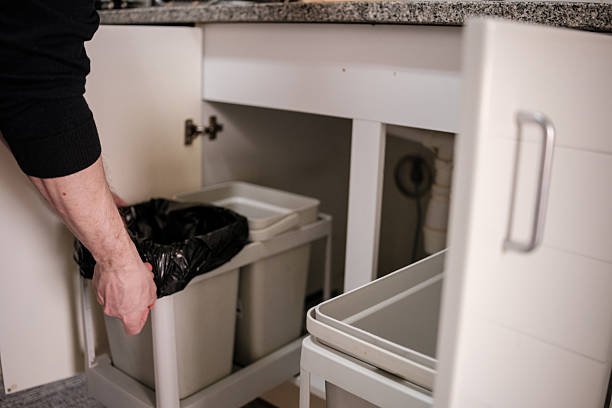
Most under-sink bins fall into the 10–20L range. They are compact and designed to fit around pipes. Pull-out or slide-rail models are especially popular because they make the bin easy to access without bending down too much.
If your cabinet is narrow, a slim vertical bin works best. If it is wider, you may be able to use two small bins side by side for trash and recycling.
How to Choose the Right Trash Can Size for Home?
If you are still unsure, here are a few simple questions to guide your decision:
- How many people live in your home?
- How often do you cook?
- Do you separate trash, recycling, and food waste?
- Do you want the bin visible or hidden under the sink?
- How much space do you actually have?
The right size is the one that fits your routine, not just your floor plan.
| Household Size | Recommended Kitchen Trash Can Size |
| 1–2 people | 20–30 L (6–8 gal) |
| 3–4 people | 30–45 L (8–12 gal) |
| 5+ people | 45–60 L+ (12–16 gal) |
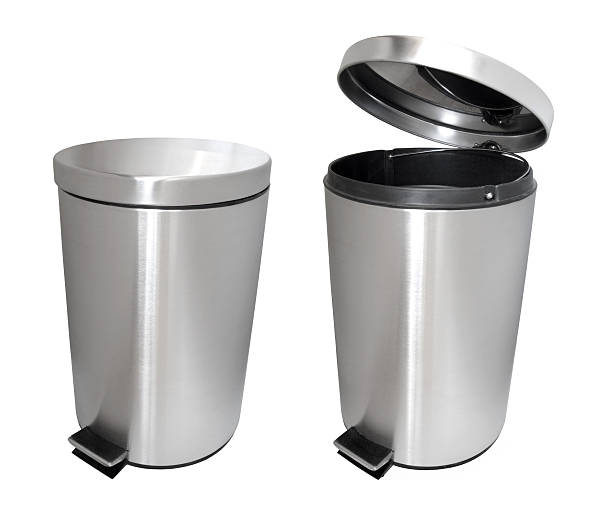
So, how big is a kitchen trash can supposed to be? On average, most homes use around 45–50L, but that is only a starting point. The real answer depends on your space, your habits, and your household size. For buyers sourcing in volume, choosing the right size is not only about daily use, but also about durability, consistency, and supply stability. Many distributors and project buyers work with commercial kitchen trash can manufacturers that offer standardized sizes and long-term OEM support.
As an established professional trash can supplier with over 20 years of experience, HD not only ensures uniform sizes and stable material quality, but also meets the requirements for bulk supply, and can provide reliable commercial kitchen trash can solutions for customers.
Related Products