
Where Should Clothing Donation Bins Be Placed? 6 Locations to Consider
Clothing donation bins make it easier for people to give away clothes and shoes they no longer need. However, having a donation bin available does not always mean people will use it. Its location plays an important role in how easily people can find it, how often they make donations, and how efficiently collected items can be removed.
For charities, recycling organizations, and property managers, choosing the right location is an important part of setting up a successful clothing collection program. Residential communities, shopping centers, schools, and other public areas can all be suitable options, depending on local needs and site conditions.
So, where should you place a clothing donation bin? Here are six locations worth considering, along with some practical tips for each setting.
1. Residential Communities and Apartment Complexes
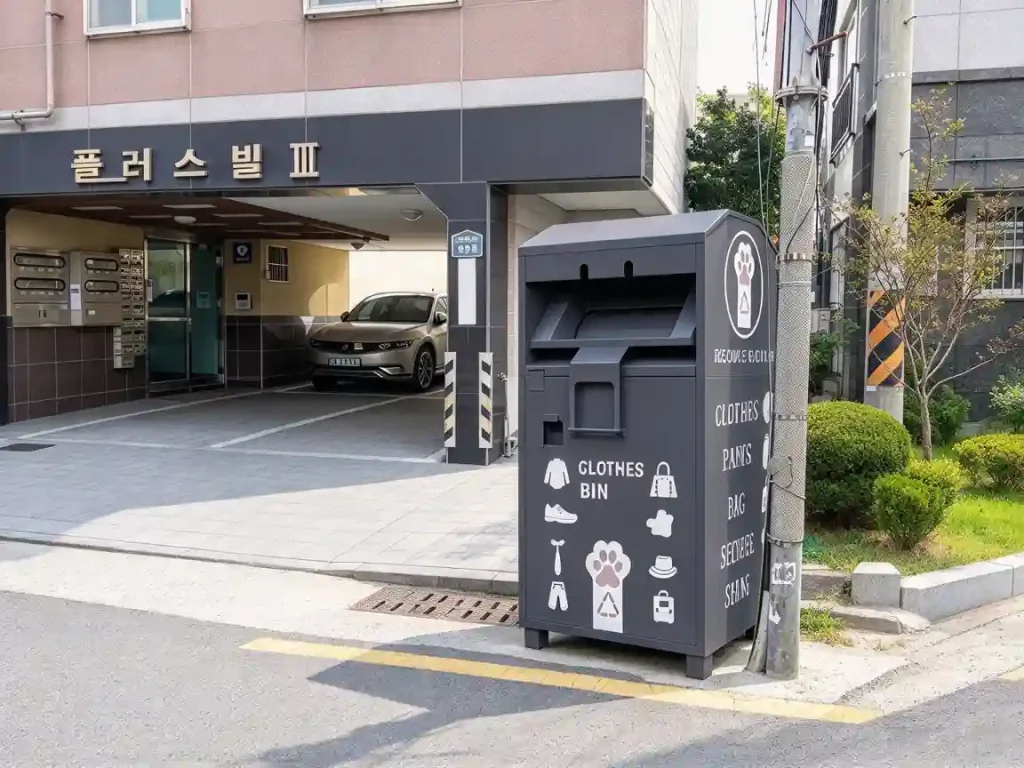
Residential communities are among the most practical locations for clothing donation bins. Residents regularly clear out wardrobes, replace old shoes, and sort household belongings. Having a collection point nearby gives them a convenient way to donate unwanted items without making a separate trip.
Apartment complexes and gated communities can also support long-term collection programs. Once residents become familiar with the location, they may use the bin whenever they have suitable items to donate.
When choosing a spot, consider placing the bin near a community entrance, designated waste collection area, or shared facility where residents can easily reach it. However, it should not block pedestrian walkways, emergency exits, or access for maintenance vehicles.
The size of the bin should also match the number of households it serves. A larger community may need a higher-capacity container or more than one collection point to prevent overflow.
2. Shopping Malls and Retail Centers
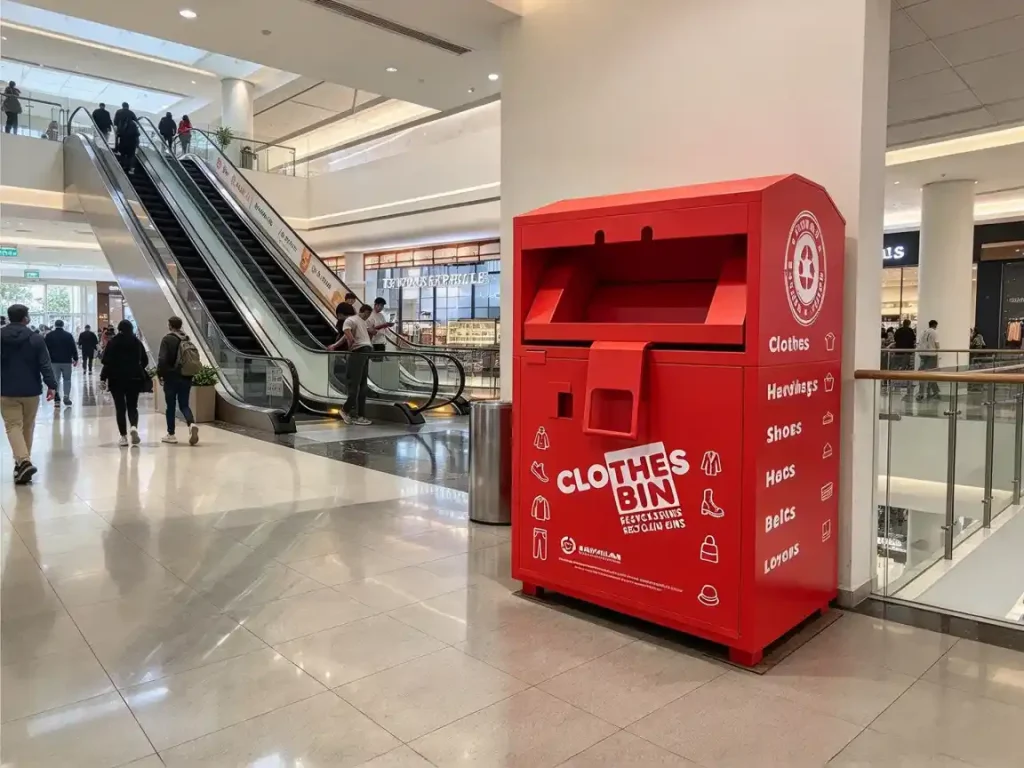
Shopping malls and retail centers attract regular visitors, making them useful locations for clothing donation programs. People can drop off unwanted clothes and shoes while shopping or running errands, without having to make a separate journey.
Retail centers may also work with charities or recycling organizations to organize seasonal donation campaigns. For example, a clothing collection drive can be promoted alongside community events or sustainability initiatives.
Placement requires some planning, though. A donation bin should be easy to find without interfering with customer movement or business operations. Designated outdoor areas, parking facilities, and other approved spaces may be suitable, provided they offer enough room for both public access and collection vehicles.
Appearance is another consideration. In a commercial setting, a well-maintained donation bin with clear labels and a suitable finish is more likely to fit the surrounding environment. Custom colors, logos, and donation instructions can also help visitors identify its purpose.
3. Schools and University Campuses
Schools and universities offer opportunities to connect clothing donation with environmental education and community involvement. Students often have clothes, shoes, and other textile items they no longer use, particularly when moving between academic years or leaving campus accommodation.
Universities can organize clothing collection activities during the end of a semester, graduation season, or student move-out periods. These events give students a practical way to pass on usable items rather than leaving them behind.
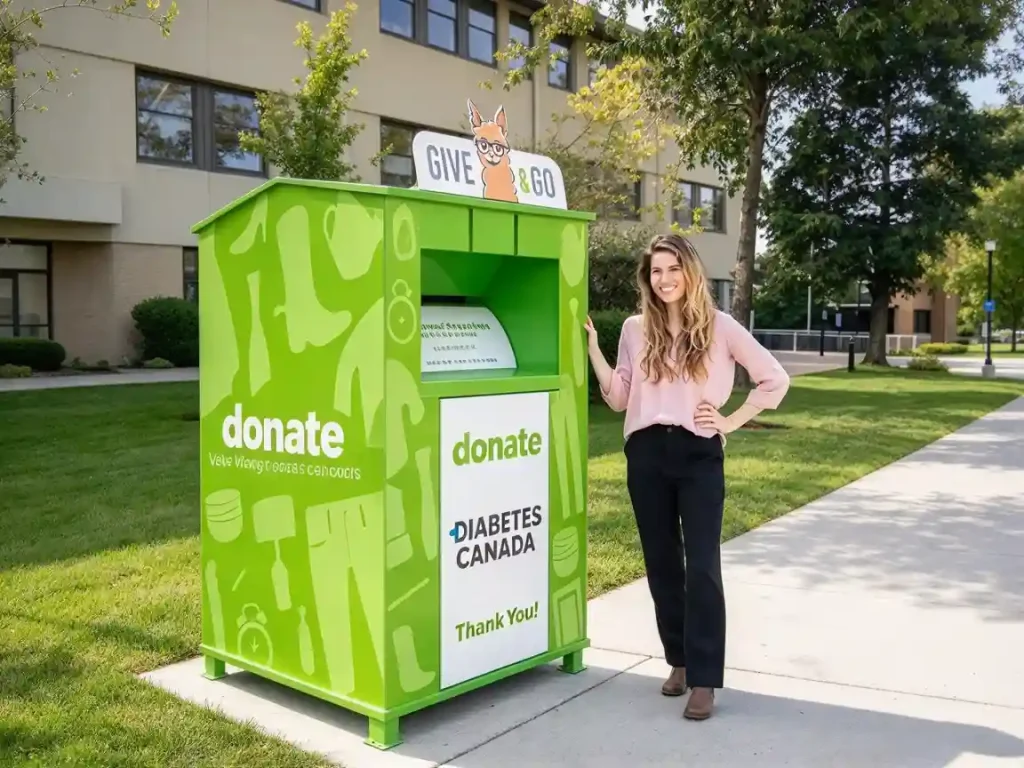
Suitable locations may include student accommodation areas, campus service centers, and designated recycling zones. The bin should be accessible to students but should not obstruct busy walkways or building entrances.
Security and collection arrangements are also important. A donation bin with a secure deposit opening and lockable collection door can help protect donated items. Schools should also establish who is responsible for checking the bin and arranging collection, especially during holidays when campus activity may be lower.
4. Supermarkets and Grocery Stores
Supermarkets are part of many people’s weekly routines. This makes them convenient places to introduce clothing donation bins, particularly when they are located near residential neighborhoods.
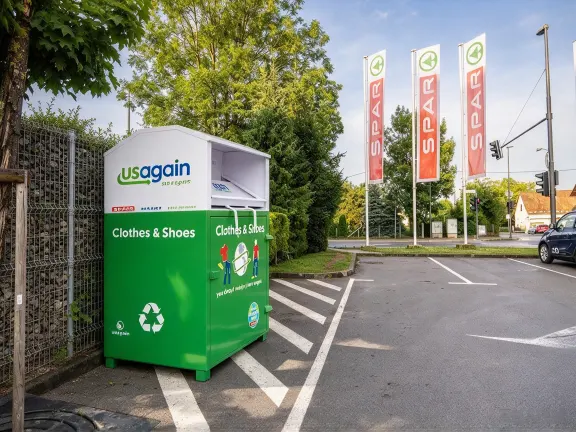
Customers can bring unwanted clothes or shoes when they visit the store, making donations easier to fit into their regular schedules. Parking areas can be practical locations because visitors may be able to carry larger bags of clothing directly from their vehicles to the collection point.
However, the bin should be positioned away from loading zones, vehicle turning areas, and busy pedestrian routes. It should also leave enough space for customers to park and move around safely.
Outdoor conditions deserve attention as well. A donation bin exposed to rain and strong sunlight should have suitable weather protection and a durable surface finish. Galvanized steel construction and an appropriate protective coating can help protect the container during regular outdoor use.
Before installation, operators should also confirm the location with supermarket management and agree on a suitable collection schedule.
5. Community Centers and Charity Organizations
Community centers and charity organizations are natural places for clothing donation bins because their activities often involve helping local residents and supporting reuse programs.
These locations can serve people who want to donate clothes, shoes, and other accepted textile items. They may also provide information about where donated goods go and how they are handled after collection.
A donation bin placed near the main entrance or another designated public area can make the process straightforward. Clear signs should explain which items are accepted, whether donations need to be bagged, and how people can contact the organization if the bin is full.
For organizations managing several collection points, consistent bin designs and labeling can make operations easier. Secure access doors, suitable storage capacity, and clearly displayed contact details also help with day-to-day management.
It is worth remembering that not every organization accepts the same items. Some may distribute usable clothing directly to people in need, while others sort textiles for reuse or recycling. Donation instructions should reflect the actual collection program.
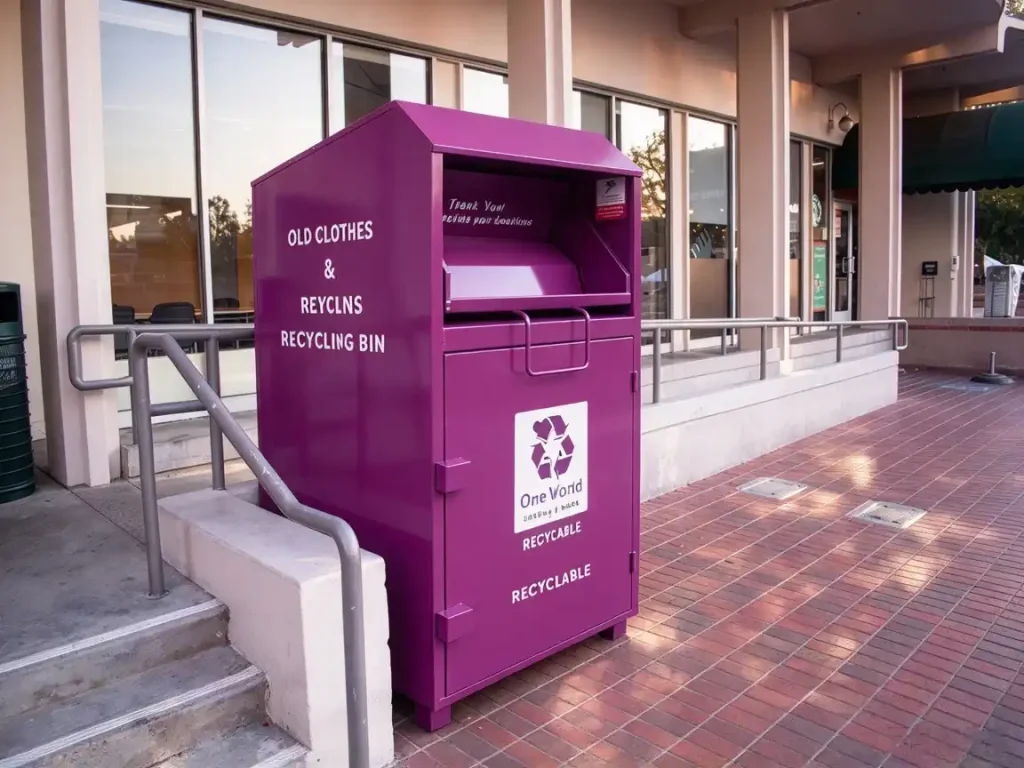
6. Office Buildings and Business Parks
Office buildings and business parks can provide additional locations for clothing donation programs, particularly when companies want to encourage employees to take part in community or environmental activities.
Employees can bring unwanted clothes and shoes to work and leave them at a designated collection point. Businesses can also organize occasional donation drives, such as before major holidays or during workplace sustainability campaigns.
Shared outdoor spaces, employee parking areas, and facility management zones may be suitable, depending on the layout of the property. For larger business parks, several smaller collection points may be more convenient than placing one large bin in a distant location.
Before installation, property managers should consider employee access, available space, and the route used by collection vehicles. The location should be visible enough for employees to find but should not interfere with normal business operations.
A well-designed donation bin can also support the appearance of the workplace. Custom branding and clear instructions help employees recognize the collection point and understand how to use it.
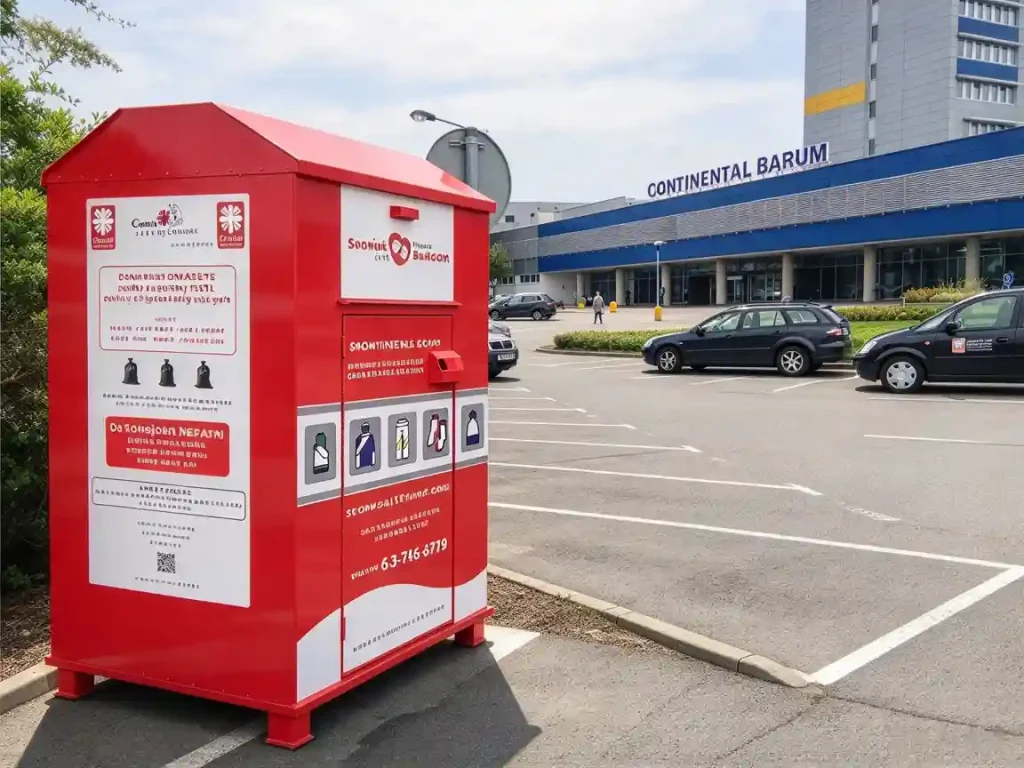
Conclusion
The best location for a clothing donation bin depends on who will use it, how much space is available, and how collected items will be managed. Residential communities, shopping centers, schools, supermarkets, charity organizations, and business parks can all support clothing collection programs when the placement is properly planned.
For organizations setting up new collection points, choosing durable, secure, and appropriately sized Clothing & Shoes Donation Bins is just as important as selecting the location. With suitable equipment and a reliable collection schedule, donation points can remain convenient and well-maintained over the long term.
Frequently Asked Questions
1. How Many Clothing Donation Bins Should a Community Have?
The number depends on the community’s population, layout, and expected donation volume. Smaller communities may only need one centrally located bin, while larger residential areas may benefit from several collection points. Operators should monitor how quickly each bin fills up and adjust the number or collection frequency as needed.
2. Can Clothing Donation Bins Be Placed Outdoors?
Yes. Outdoor clothing donation bins can be installed in approved areas such as residential communities, parking lots, and commercial properties. However, they should be made from durable materials and designed to withstand outdoor conditions. Operators should also check local placement requirements and obtain permission from the property owner where necessary.
3. What Types of Clothing and Shoes Can Be Placed in Donation Bins?
Common accepted items include shirts, trousers, jackets, dresses, and pairs of shoes. Some collection programs may also accept bags, blankets, and other household textiles. Requirements vary between organizations, so users should check the instructions displayed on the bin before making a donation. Items should generally be clean, dry, and properly packed.
4. How Often Should Clothing Donation Bins Be Emptied?
There is no fixed schedule for every location. Bins in busy shopping areas or large residential communities may need more frequent collection than those in smaller facilities. Operators should check fill levels regularly and arrange collection before the bin becomes full. A consistent maintenance schedule helps prevent overflow and keeps the surrounding area clean.