How To Manage Food Waste For a Greener Future?
In daily life, food waste is often overlooked. Leftover food, expired food and processing scraps may seem insignificant, but they accumulate into a serious environmental problem unconsciously. With the acceleration of urbanization and the improvement of consumption levels, the amount of food waste continues to increase, which also makes “how to better manage food waste” a realistic issue that more and more families and enterprises need to face.
It is worth noting that the management of food waste is not merely a matter of personal habits, but also concerns whether the entire processing system is efficient and orderly. A greener future often begins with these seemingly simple details.
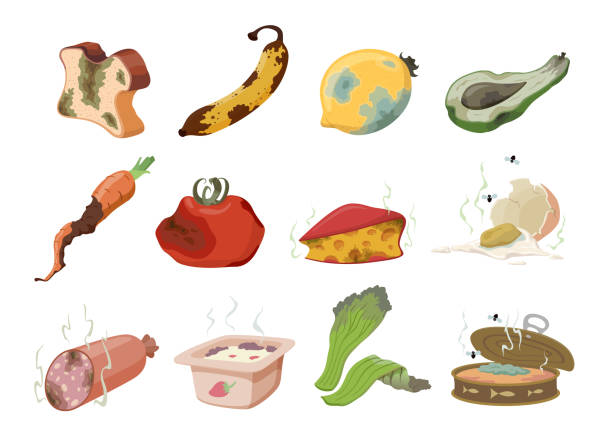
What Is Food Waste? Where Does It Mainly Come From?
Food waste usually refers to the food and its remaining parts that are discarded during the processes of production, storage, sale and consumption. According to the different scenarios of generation, they can mainly be classified into the following categories:
- Household food waste: such as kitchen leftovers, fruit peels, and spoiled food
- Food and cafeteria waste: Scraps and unsold food from the meal preparation process
- Supermarket and food processing waste: Expired goods, food that does not meet sales standards
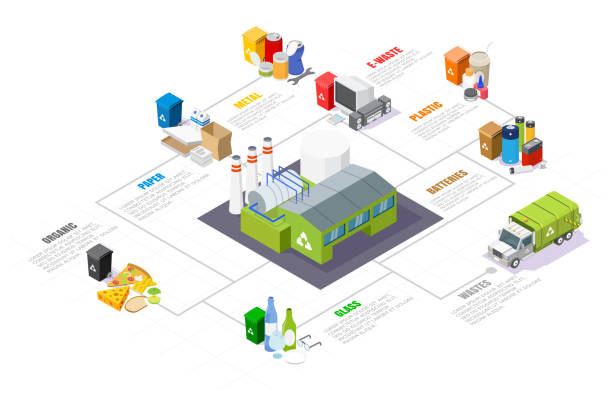
Food waste from different sources shows significant differences in quantity, composition and treatment methods. Therefore, a uniform processing approach often fails to achieve the desired effect, and reasonable classification and management are particularly crucial.
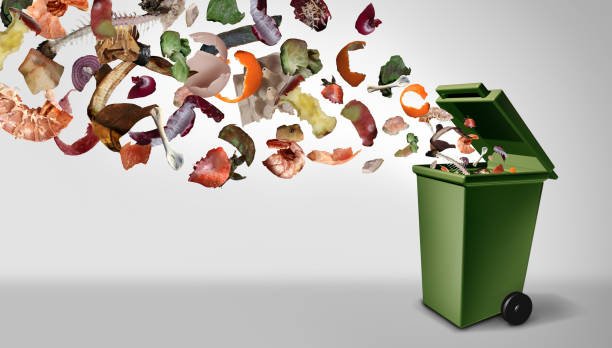
Practical Methods For More Effective Management Of Food Waste
If food waste is mixed with other household garbage for disposal, it is usually sent to landfills. This process not only occupies land resources but also generates greenhouse gases during decomposition, causing long-term impacts on the environment. Meanwhile, the leachate in the mixed garbage may also cause pollution to the soil and water sources.
In contrast, food waste that has been properly classified and centrally managed is more likely to be utilized or transformed by subsequent processing systems. From this, it can be seen that the issue is not merely about “how much food waste there is”, but more about “how it is collected and processed”.
Reduce food waste from the source
Whether in household or commercial Settings, reasonable purchasing and storage habits can effectively reduce waste. For enterprises, standardized processes and appropriate inventory are particularly important. This not only helps to reduce costs but also eases the pressure on back-end processing.
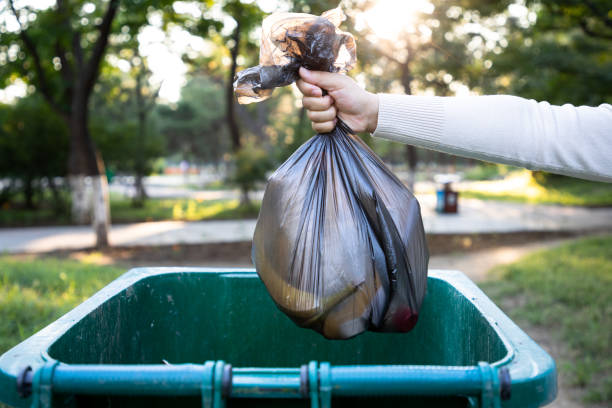
Sort food waste correctly
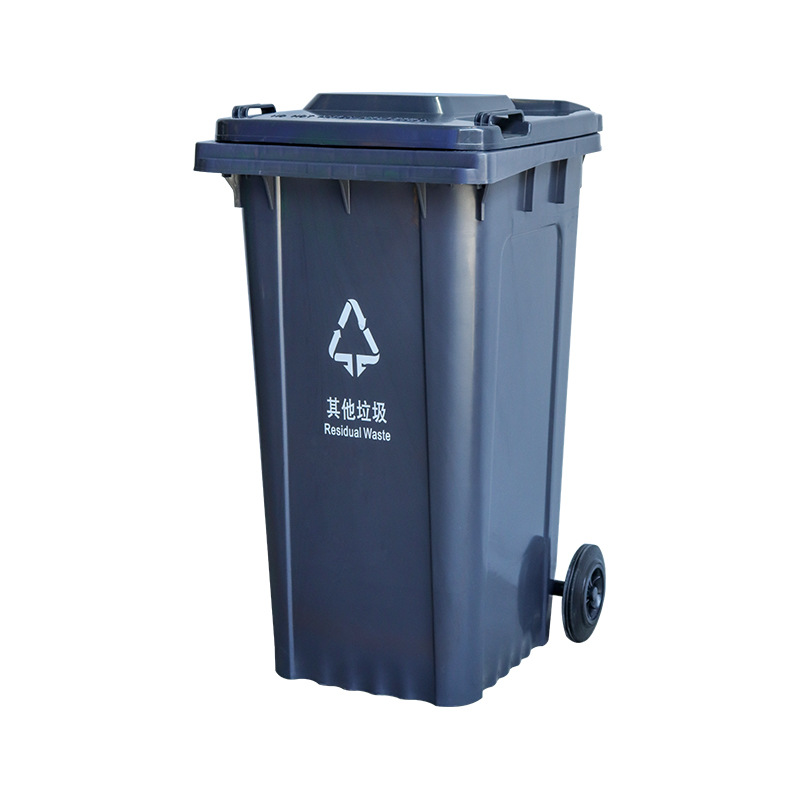
Separating food waste from other waste is the foundation for improving processing efficiency. If the classification is not clear, it will not only affect subsequent recycling or processing, but also may increase cleaning and management costs. Therefore, clear classification guidelines and stable implementation methods are of great significance.
Use the appropriate garbage container
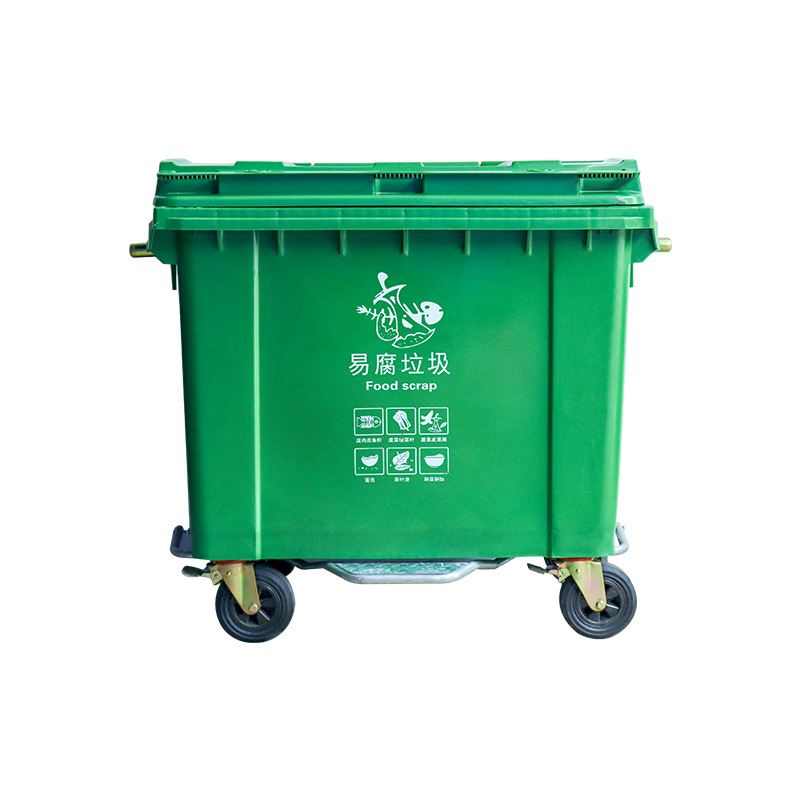
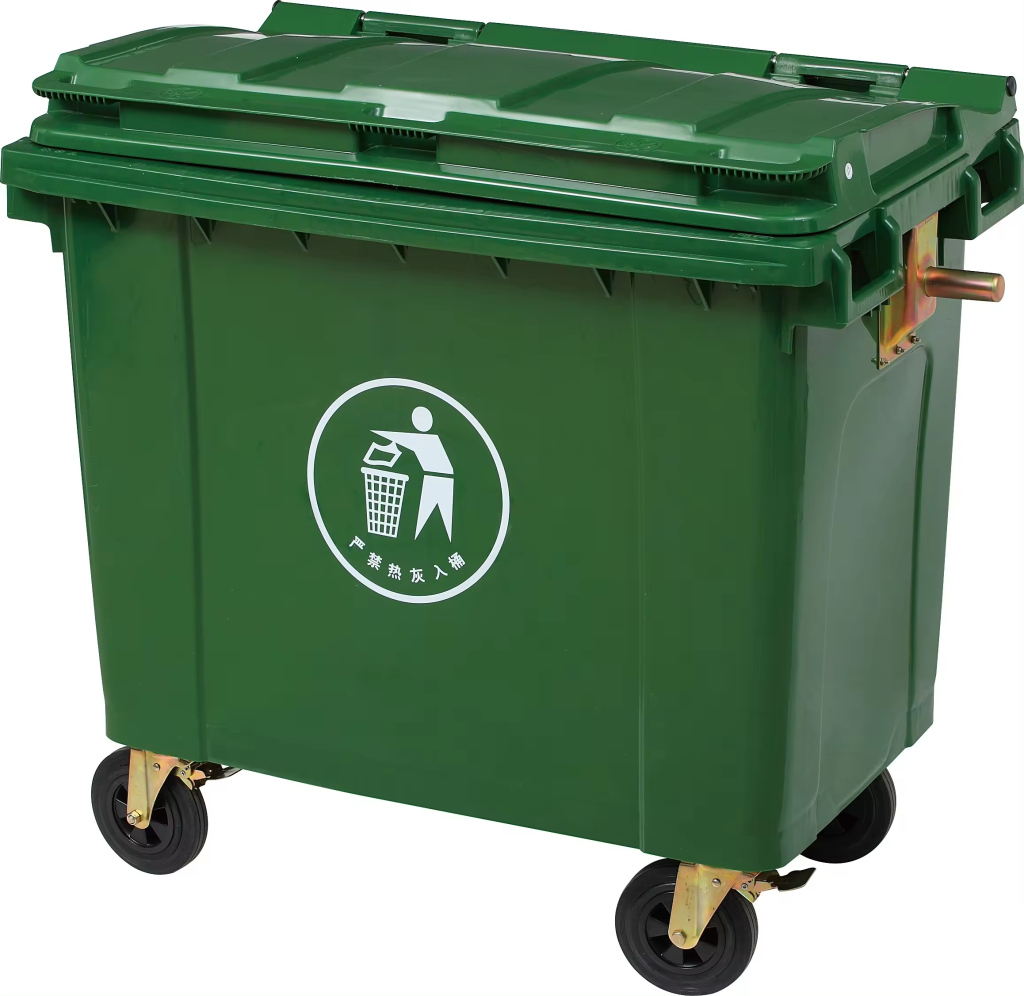
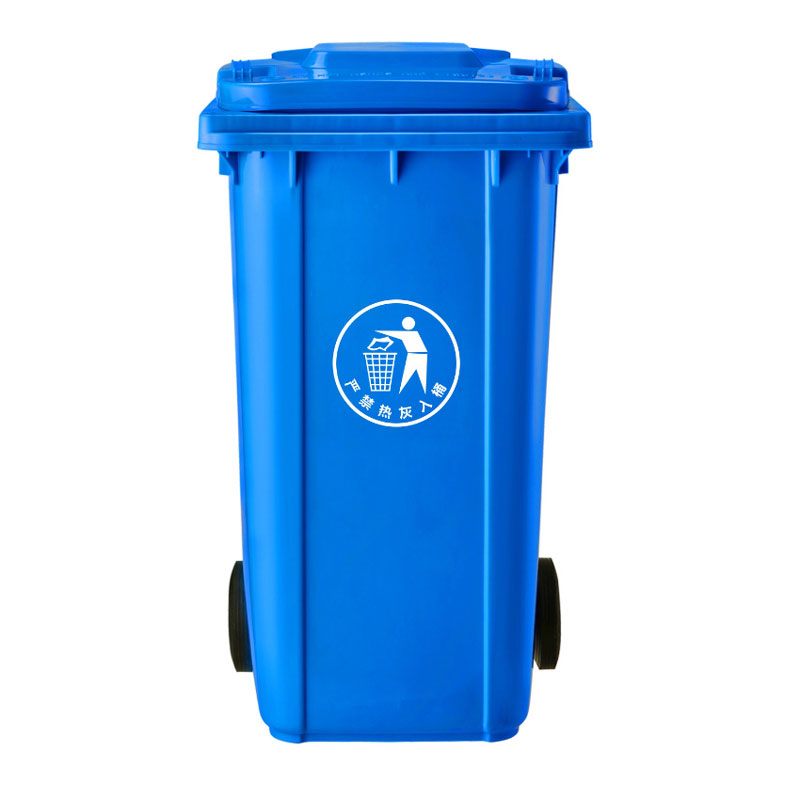
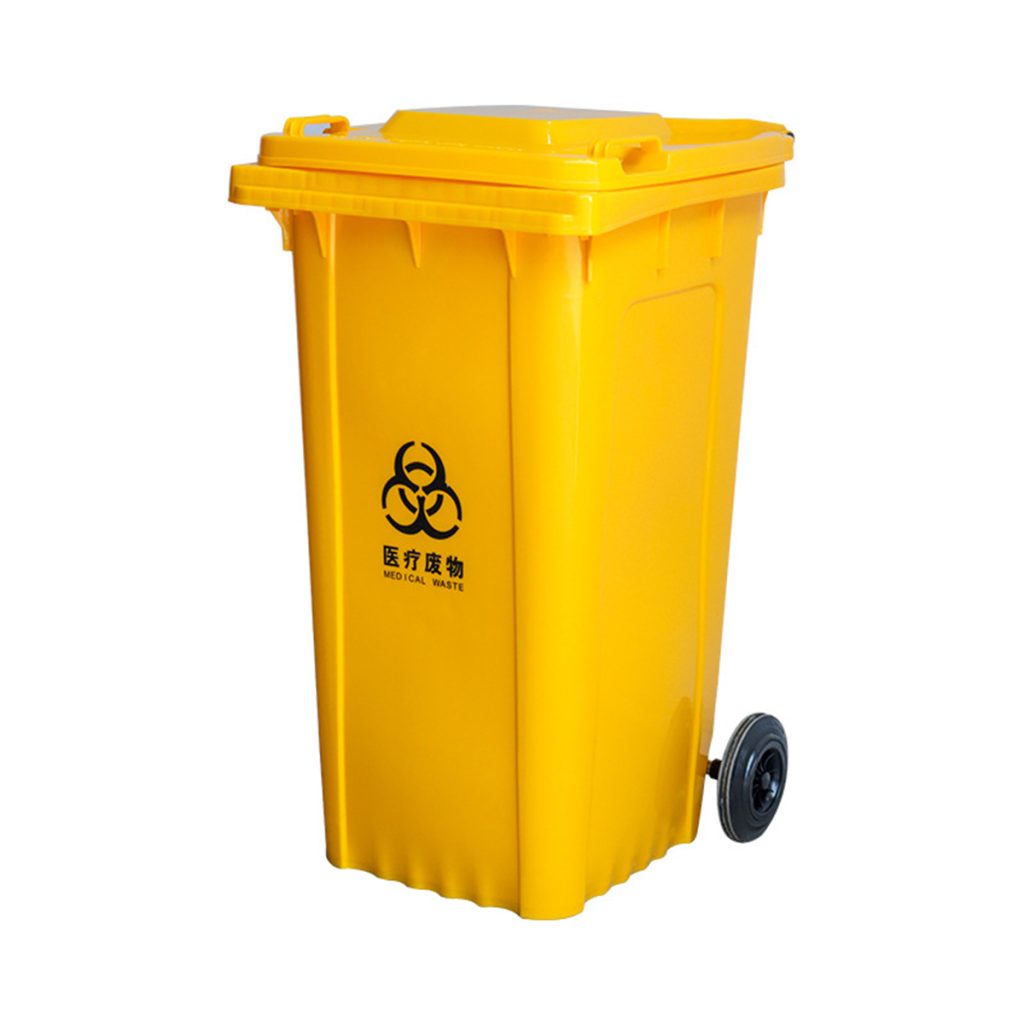
Containers play an important role in food waste management. Good sealing performance, easy-to-clean structure and capacity suitable for the usage scenario can all reduce odors and improve hygiene standards in daily use.
The role of trash cans in food waste management
In the entire food waste management process, the trash can is the most intuitive and frequently used link. If the container design or selection is inappropriate, even with a sound classification system, it is difficult to adhere to it in the long term.
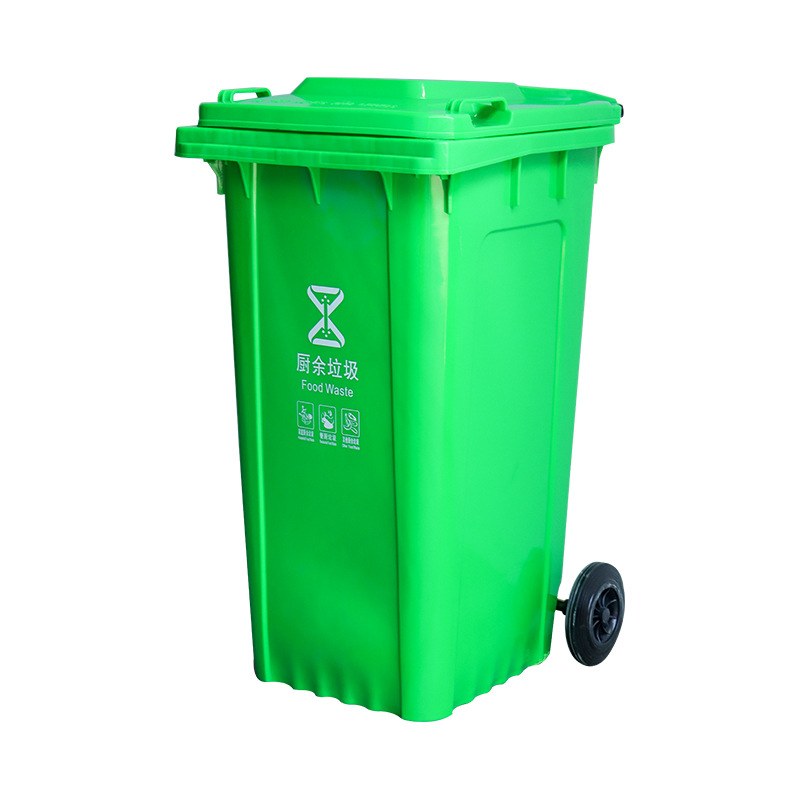
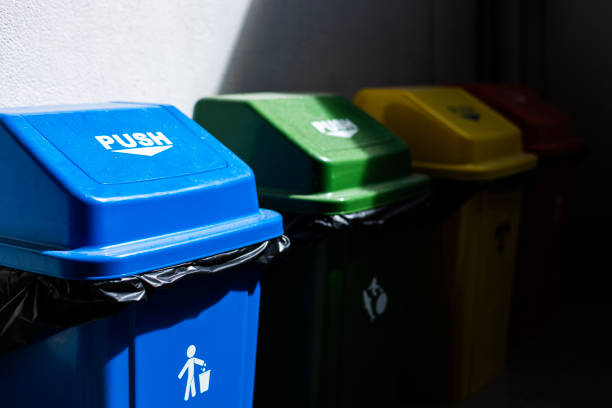
Special trash cans for food waste can help users sort more clearly and reduce the situation of mixed disposal. Meanwhile, in high-frequency usage scenarios such as restaurants, commercial kitchens, and communities, appropriate trash cans can also enhance the overall cleanliness of the environment and management efficiency.
From this perspective, a trash can is not merely a container but an important tool that connects “classification awareness” with “practical actions”.
How To Choose Food Trash Cans In Different Scenarios?
Due to different usage environments and requirements, the selection of food trash cans should also vary:
- Indoor and outdoor: Outdoor trash cans require stronger weather resistance and sealing performance
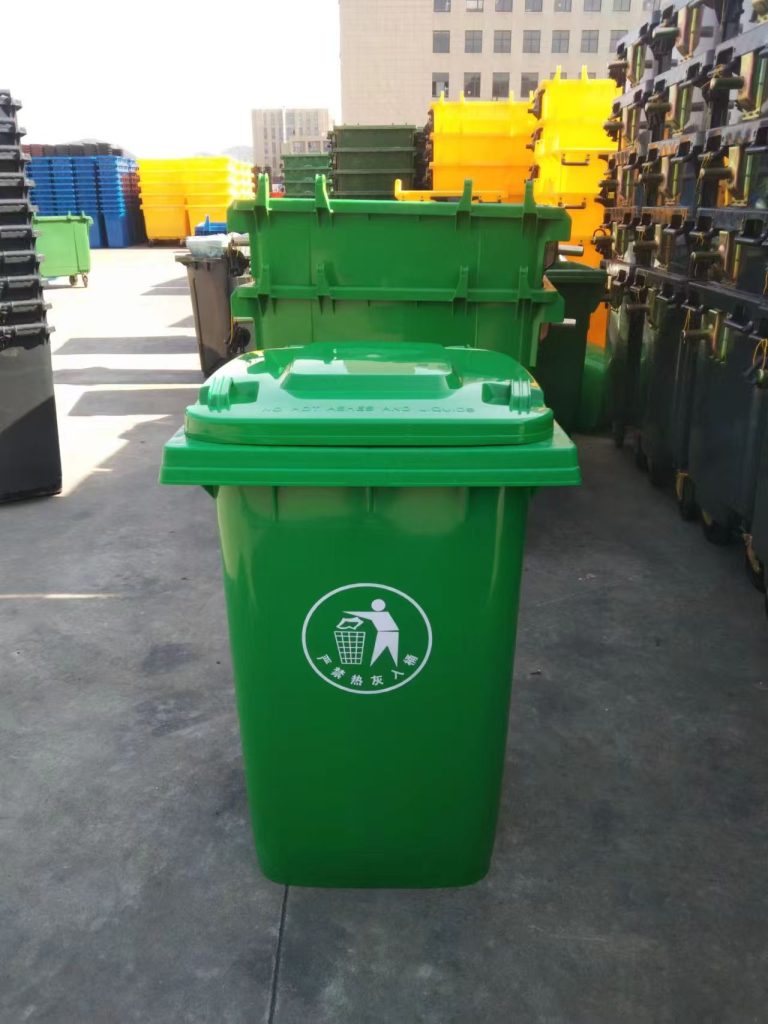
- Capacity size: The demand for capacity varies significantly among households, restaurants and public areas
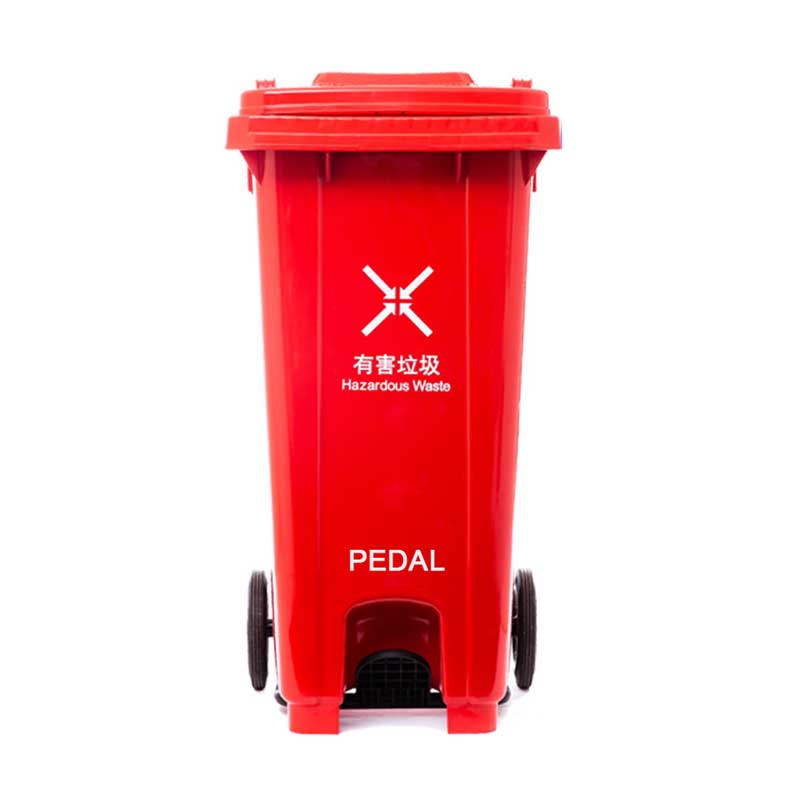
- Opening methods: foot pedal type, flip cover type or sensor type, suitable for different usage frequencies
- Material selection: Materials that are corrosion-resistant and easy to clean are more suitable for long-term use
Matching based on actual application scenarios often leads to a better balance between user experience and management costs.
For enterprises, standardized food waste management is not only an environmental responsibility but also a part of operational management. A clear classification system, stable and durable garbage containers, as well as unified usage standards can reduce maintenance costs in the long term and enhance the overall image.
Especially in fields such as catering, property management and public facilities, the rational allocation and batch use of appropriate trash cans are often a choice with clear investment and long-term returns.
Why Choose HD As The Waste Management Equipment Supplier?
In the process of improving food waste management, apart from formulating reasonable classification strategies and procedures, choosing a reliable supplier of waste management equipment is equally crucial. As a professional manufacturer of waste management equipment and outdoor facilities, HD has notable advantages in multiple aspects, which can help enterprises and institutions implement waste management plans more efficiently and reliably.
HD has over ten years of design and production experience in the field of waste management and is capable of providing a complete set of solutions including waste classification systems, waste compression equipment, mobile waste collection equipment, etc. The products not only cover common trash cans, but also include various types such as waste classification systems suitable for commercial and residential areas, industrial waste treatment and kitchen waste treatment equipment.
Choosing HD is not merely about purchasing equipment; it is also a step in building long-term waste management capabilities. HD’s equipment has undergone quality certification and rigorous testing, and is widely exported to many countries and regions. Moreover, it can provide comprehensive pre-sale and after-sale support.
Conclusion
Achieving a greener future does not necessarily require complex changes. Often, it is precisely from the details such as the classification and management of food waste that positive impacts gradually emerge.
When food waste is better managed and the right trash cans are placed in the right positions, environmental protection is no longer an abstract concept but a natural outcome in daily life and operation.If you are considering improving the way you manage food waste, choosing a right waste manage equipment that suits your own usage scenario is often a starting point worth giving priority to.
Related Products