
What to Look For When Sourcing Smart Recycle Bins?
In modern cities, commercial complexes and campuses, the management of public waste has become increasingly complex. The traditional manual inspection mode with fixed schedules and routes is prone to causing garbage cans to overflow, wasting working hours and consuming unnecessary fuel. These inefficiencies not only increase operational costs but also undermine public satisfaction.
This pain point is driving the widespread adoption of smart recycling systems. The deployment of smart trash bins has transformed from a futuristic concept to a practical operational upgrade. However, due to the integration of physical facilities and digital technology in this system, its procurement logic is completely different from that of traditional outdoor facilities. Inappropriate selection can easily lead to sensor malfunctions, a sharp increase in maintenance costs, and inefficiency of the operation and maintenance team. This blog aims to outline the key indicators that purchasing managers and B2B buyers should focus on to ensure the long-term durability of the equipment, seamless integration of the system, and return on investment.
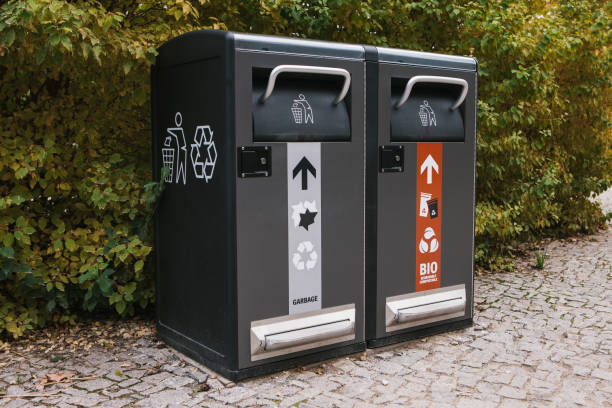
Good Smart Recycle Bins Features
When evaluating municipal or commercial deployment plans, high-performance trash cans must possess both a sturdy physical structure and an intelligent backend system.
Hardware Durability and Outdoor Resilience
Compared to indoor facilities, outdoor public trash cans are subject to multiple challenges such as harsh weather conditions, frequent use, and vandalism.
When evaluating the manufacturer’s specifications, structural strength is the primary indicator. High-strength industrial materials (such as high-grade stainless steel or powder-coated cold-rolled steel) should be preferred to ensure that the equipment can withstand corrosion, physical impacts, and strong ultraviolet radiation.
Apart from the weather resistance performance, a comprehensive anti-theft design is equally crucial. For the common risks of graffiti, tampering or forced destruction in public places, the following protective details need to be carefully examined:
- Security lock system: Effectively prevents unauthorized personnel from accessing the internal compartments and sensitive electronic components.
- Reinforced hinges and main frame: Capable of withstanding strong impacts and frequent intense closures.
- Anti-graffiti surface coating: Easy to clean, ensuring that the equipment maintains a good structure and appearance even after long-term use, and extending the investment return period.
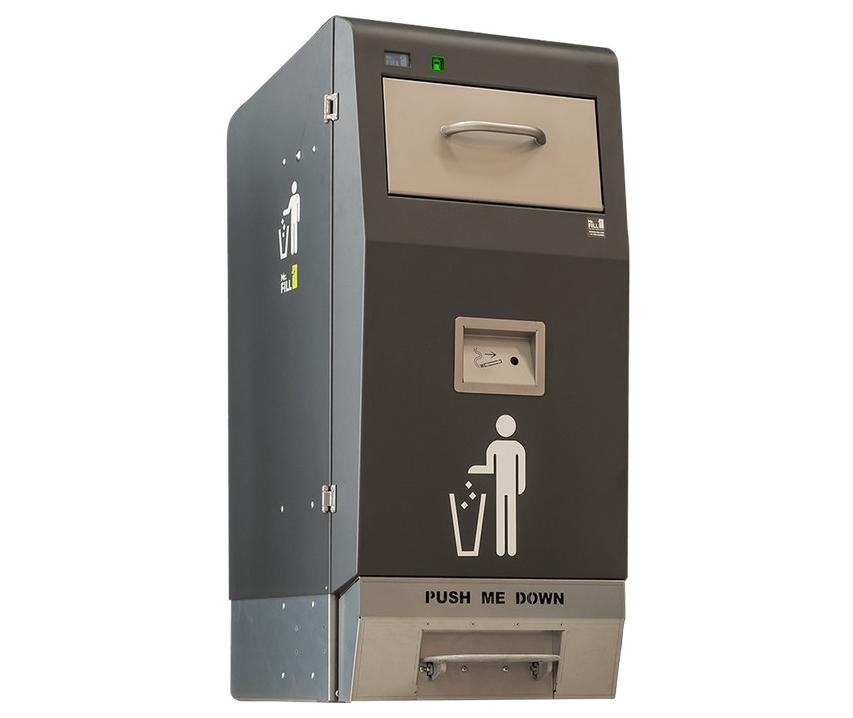
Core Intelligence: Sensors, IoT, and Software Ecosystem
The core value of the intelligent trash can goes far beyond its physical appearance. As an IoT terminal, it can transform the traditional passive collection model into a data-driven, efficient operation model.
The filling degree sensor is the core of this system. Using ultrasonic or infrared technology, the sensor can monitor the fullness rate of the trash bin in real time. Once the warning threshold is reached, the system will automatically send notifications to the management end, achieving “on-demand collection” and eliminating the fixed inspection routes. This precise collection mode usually significantly reduces fuel consumption and labor costs.
The hardware facilities must also be seamlessly integrated with a powerful software ecosystem, mainly including:
- SaaS console and mobile app: Provide real-time data visualization, and uniformly manage fill rate, battery power and collection plan.
- Dynamic route optimization: Through the built-in algorithm, it generates the most efficient collection routes for sanitation workers, minimizing the mileage of vehicle travel.
- Open API integration: Seamless integration with existing smart city platforms, or connection to property management systems (PMS) of large enterprise parks and municipal institutions.
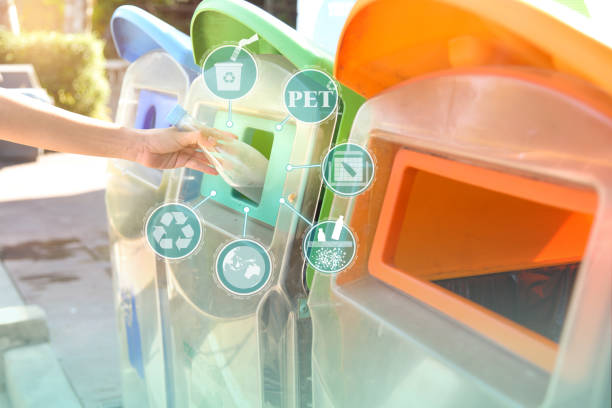
Power Supply and Compaction
The deployment of outdoor smart devices is often hindered by power supply issues – for scattered street facilities, connecting to the mains electricity not only involves high costs but is also difficult to implement.
Therefore, the industry benchmark solution adopts off-grid solar power supply. High-efficiency photovoltaic panels are embedded on the top of the bucket, which can efficiently collect sunlight and store it in a durable battery pack. Even in the case of continuous rainy weather, the system can still operate stably.
In areas with extremely high traffic volumes such as transportation hubs, scenic spots and commercial streets, the solar compression system has demonstrated remarkable operational advantages:
- Automatic internal compression: When the garbage reaches the preset threshold, the built-in compression mechanism will automatically activate, doubling its effective volume.
- Significantly reduce the frequency of garbage collection: Prevent garbage from overflowing during peak hours, and significantly reduce the number of manual inspections and collection operations.
- Optimize logistics and environmental benefits: Maximize space utilization, directly reduce the number of garbage collection vehicles, and lower municipal carbon emissions.
Where You Can Use A Smart Recycle Bin?
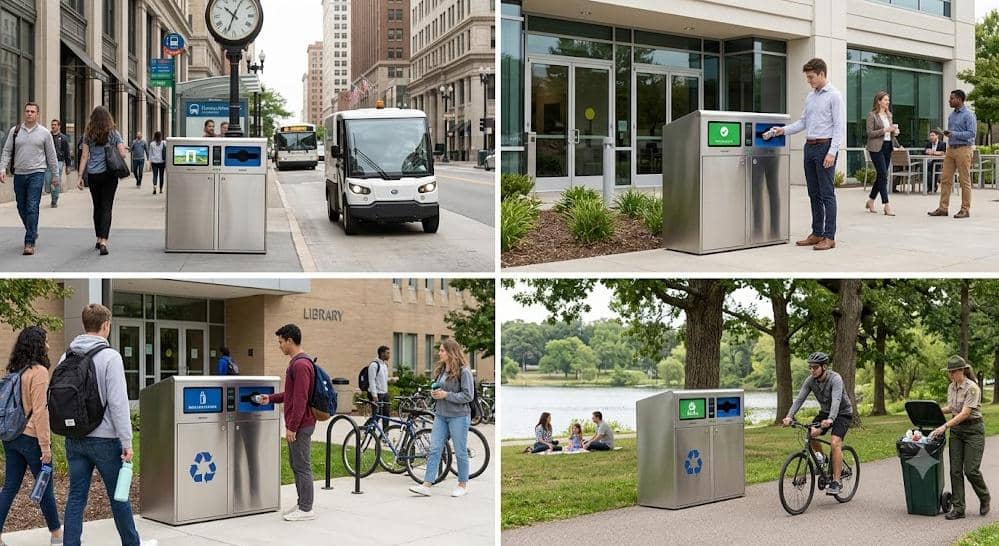
Based on a modular and highly adaptable design, the intelligent recycling system can be flexibly deployed in various outdoor and semi-outdoor scenarios, precisely filling the gaps in traditional waste management:
- Urban blocks and the city center: Located along high-traffic walkways and public squares, they maintain the cleanliness of the city while significantly optimizing the routes for municipal sanitation vehicles for garbage collection.
- Commercial real estate and office parks: Located at the building entrances, atriums and outdoor dining areas, they directly contribute to the sustainable development of enterprises and the implementation of ESG indicators.
- University and institution campuses: Covering high-traffic areas such as student unions, dormitory areas, and sports venues, precisely addressing the high volume of recyclable waste generated in these areas.
- Parks and Scenic Areas: Designed to serve large outdoor leisure zones, effectively addressing the problems of high costs and difficulty in coverage in traditional manual inspections.
- Transportation Hub: Applied at railway stations, passenger terminals, and the periphery of airports, it efficiently meets the high-density flow and garbage disposal demands.
Where to Find Smart Recycle Bins with these Qualities?
When choosing industrial-grade outdoor equipment, the key lies in selecting a professional manufacturer that possesses both experience in weather-resistant manufacturing and the ability to integrate Internet of Things (IoT) technology.
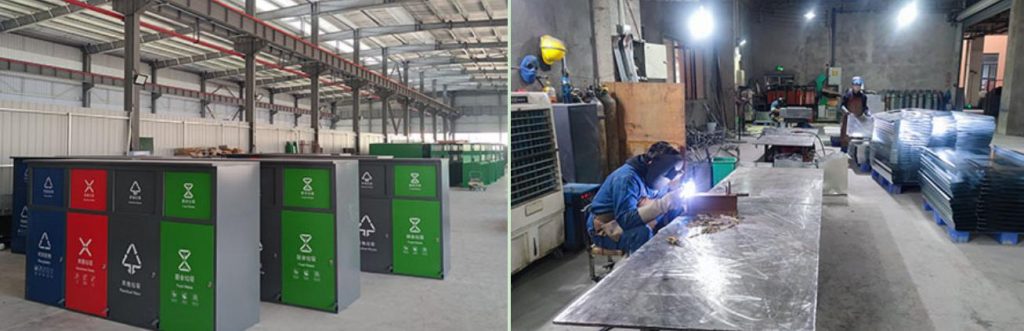
HD Outdoor Facilities is dedicated to creating heavy-duty public infrastructure that meets international standards. Our core products, including highly durable trash cans and intelligent recycling systems) are specifically designed for harsh outdoor environments and possess excellent weather resistance, enabling seamless integration with modern municipal management networks.
If you are planning a related project or need customized development based on specific technical indicators, our engineering and business teams will be available to provide you with professional support at any time.
Conclusion
Introducing an intelligent recycling system is not merely about purchasing hardware; it represents a long-term upgrade in resource recycling and operational efficiency for cities, campuses, or commercial properties.
With its robust and durable outdoor design, stable IoT sensor connection, sustainable solar power supply, and efficient intelligent compression technology, this system can help the project avoid common operation and maintenance risks and maximize the return on investment (ROI).
Are you ready to upgrade your outdoor infrastructure with industrial-grade solutions? Welcome to learn about the public smart recycling bins series of HD Outdoor Facilities, or feel free to contact our team to customize your next project plan.