How Many Trash Cans Does a Park Need?
If you manage a park, a school ground, or any public outdoor space, this question comes up sooner or later usually after a weekend when overflowing bins and scattered litter are the first things visitors see on Monday morning.
The short answer: a good starting point is one trash can every 50 to 100 feet in high-traffic zones, or roughly one bin per 100 to 150 visitors per day. But the right number for your specific park depends on several factors that go well beyond a single formula.
This guide covers park type, zone activity, and visitor volume, giving you a clearer picture of what your space actually needs.
The General Rule of Thumb
Before getting into the details, here is a quick reference by setting:
| Park Type | Recommended Spacing | Minimum Can Size |
| Neighborhood playground | Every 50 ft | 20–30 gal |
| Community walking trail | Every 500 ft | 32 gal |
| City or regional park | 1 per 100–150 visitors | 32–44 gal |
| Picnic or BBQ area | Every 25–50 ft | 44 gal |
| Event or festival space | 1 per 75 attendees | 44 gal+ |
These numbers reflect general industry standards and align with guidance from organizations like Keep America Beautiful, which has been tracking litter behavior and public space cleanliness for decades.
One data point worth keeping in mind: KAB research found that when a trash can is within 10 feet of a person, the littering rate drops to just 12 percent. The further people have to walk to find a bin, the more likely they are to leave waste on the ground, sometimes not even intentionally.
4 Factors That Determine the Right Number
The table above gives you a starting point, but two parks can have the same acreage and need completely different setups. Here is what actually drives the number.
1. Park Size and Layout
A small neighborhood playground might only need three or four bins placed near the entrance, seating area, and playground equipment. A large regional park with multiple trail loops, picnic zones, and parking lots is a different situation entirely.
Layout matters as much as size. Winding trails with sharp turns, dense tree cover, or uneven terrain can make bins hard to spot. In those cases, you will need more units placed closer together to maintain visibility. A bin that is out of sight is effectively the same as no bin at all.
2. Daily Visitor Volume
Foot traffic is probably the single biggest variable. A community park that sees 50 visitors on a weekday might be just fine with minimal coverage but that same park on a Saturday afternoon during summer could have five times the foot traffic and generate a completely different volume of waste.
If you have access to park attendance data or visitor counters, use it. If not, observe peak hours for a week and plan around that, not around a slow Tuesday morning. High-volume parks generally need bins emptied daily, while lower-traffic parks can operate on a two-to-three-day schedule.
3. Zone Type and Activity
Not all areas of a park generate the same type or volume of waste. Matching your bin placement to what actually happens in each zone makes a noticeable difference.
Picnic and BBQ areas tend to generate the most waste including food packaging, drink containers, paper napkins and they need the highest density of bins, ideally with covered lids to manage odors and discourage animals.
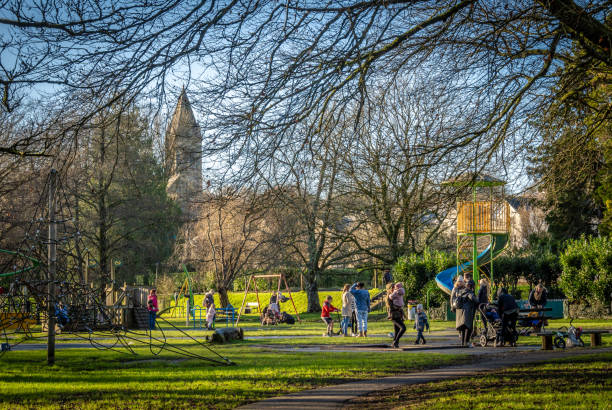
Children’s playgrounds typically produce lighter waste like snack wrappers and juice boxes. Standard spacing works here, though smaller-opening lids can help keep the area tidy.
Walking and cycling trails need far fewer bins. One bin per 500 linear feet is a reasonable baseline for a moderate-use trail, placed near water fountains, rest areas, and trailheads where people naturally pause.
Sports fields and courts see a lot of plastic bottles and food wrappers. Position bins near the sidelines and team areas rather than scattered around the perimeter where they may go unnoticed.
4. Emptying Frequency
This factor is often overlooked in the planning stage. The number of bins you need is directly connected to how often they get serviced. If your team empties bins every day, you can potentially manage with fewer, larger-capacity units. If emptying happens every two or three days, you will either need more bins or larger ones, ideally 44 gallons or more for busy zones.
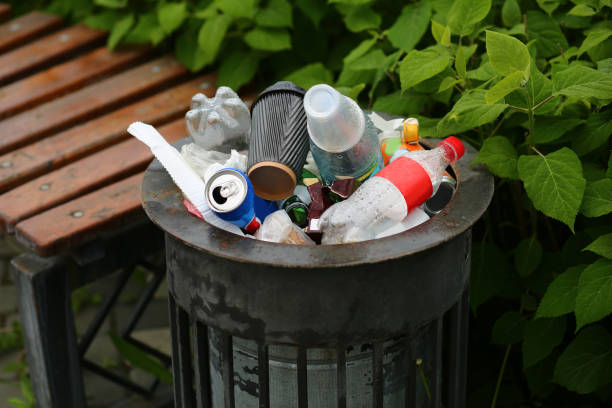
An overflowing bin does more damage than having no bin at all. Once waste piles up on the ground around a container, other visitors tend to follow suit. It sends a signal that littering is acceptable, which compounds quickly in popular spaces.
What the Research Says About Litter and Placement
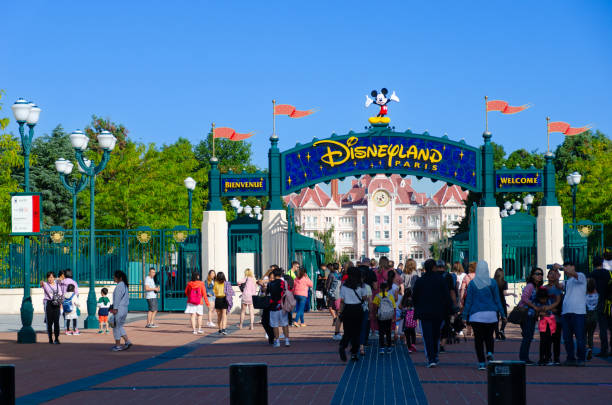
One of the most cited examples in waste management planning comes from Walt Disney. Before opening Disneyland, Disney reportedly spent time observing how far people would walk before giving up and littering. His conclusion was that trash cans should be placed every 25 to 30 paces in high-activity areas, the standard that Disney parks have maintained ever since.
That same proximity principle holds across public spaces. The closer and more visible a bin is, the higher the chance it gets used. This is why clustering bins at natural gathering points near benches, food vendors, water fountains, and entrances tends to outperform evenly spaced placement across a large open area.
Visibility also plays a role that is easy to underestimate. A bin tucked behind a hedge or positioned at the edge of a path reduces usage rates significantly. If you are placing bins in areas with landscaping, make sure they remain unobstructed from multiple approach angles.
Beyond Quantity: What Makes a Trash Can Actually Work Outdoors
Getting the number right is important, but choosing the wrong type of bin can undermine the whole setup. A few things to consider:
Capacity and size. For busy outdoor parks, 32 to 44 gallon bins are the standard range. High-traffic areas warrant the larger end of that range to reduce overflow between service intervals.
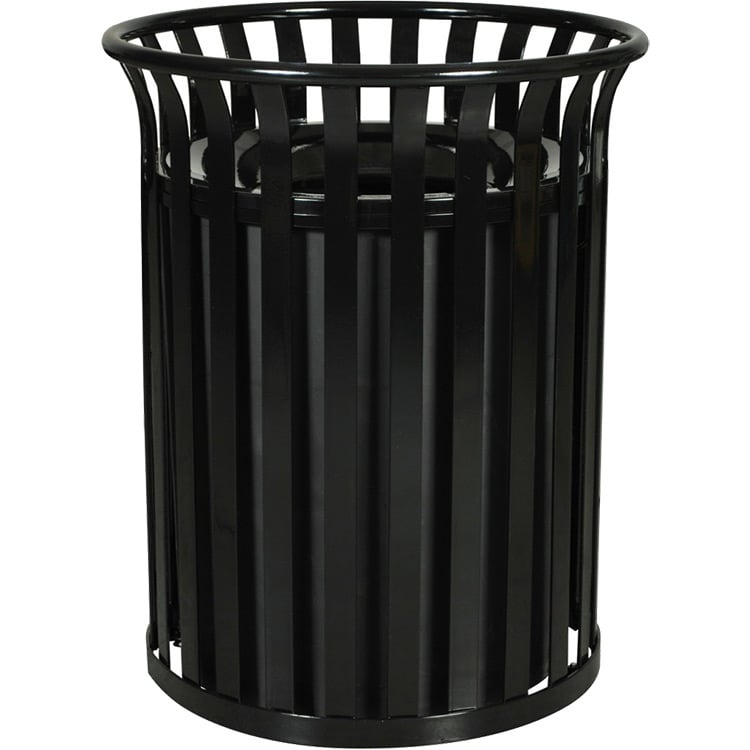
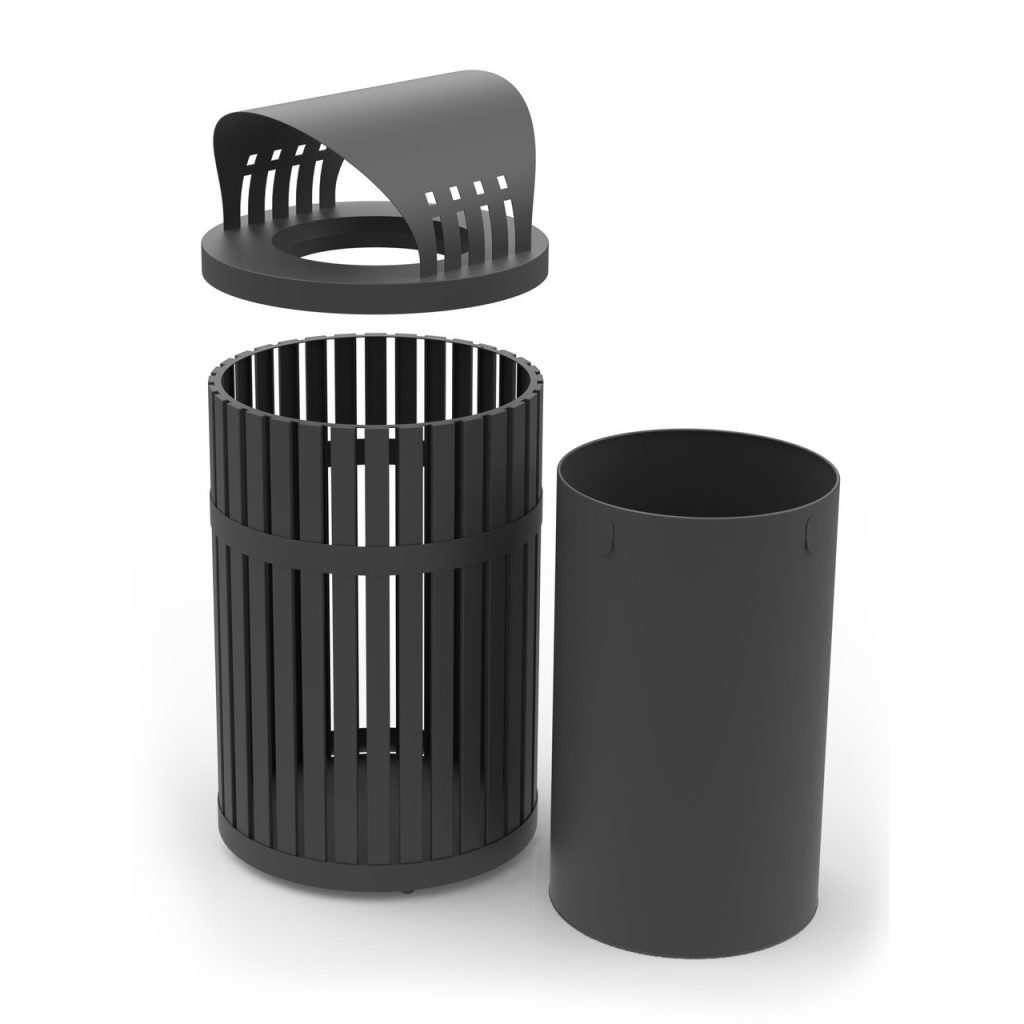
Lids and covers. Open-top bins are convenient but problematic in areas with wind, rain, or wildlife. Hinged lids or bonnet-style covers reduce litter scatter and help manage odors without making disposal inconvenient.
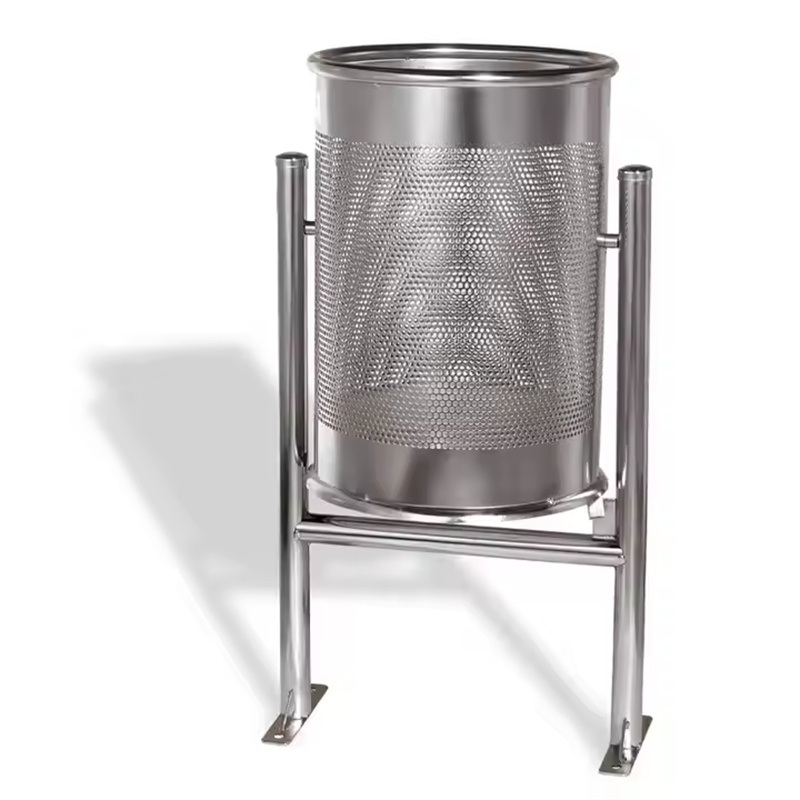
Material durability. Outdoor bins need to hold up against weather, UV exposure, and physical wear. HDPE plastic, powder-coated steel, and galvanized steel are common choices for parks. Each has trade-offs around weight, cost, and maintenance. HD Outdoor Facilities’ outdoor plastic trash bins are built from heavy-duty HDPE specifically for high-use outdoor environments, making them a practical option for parks and public spaces.
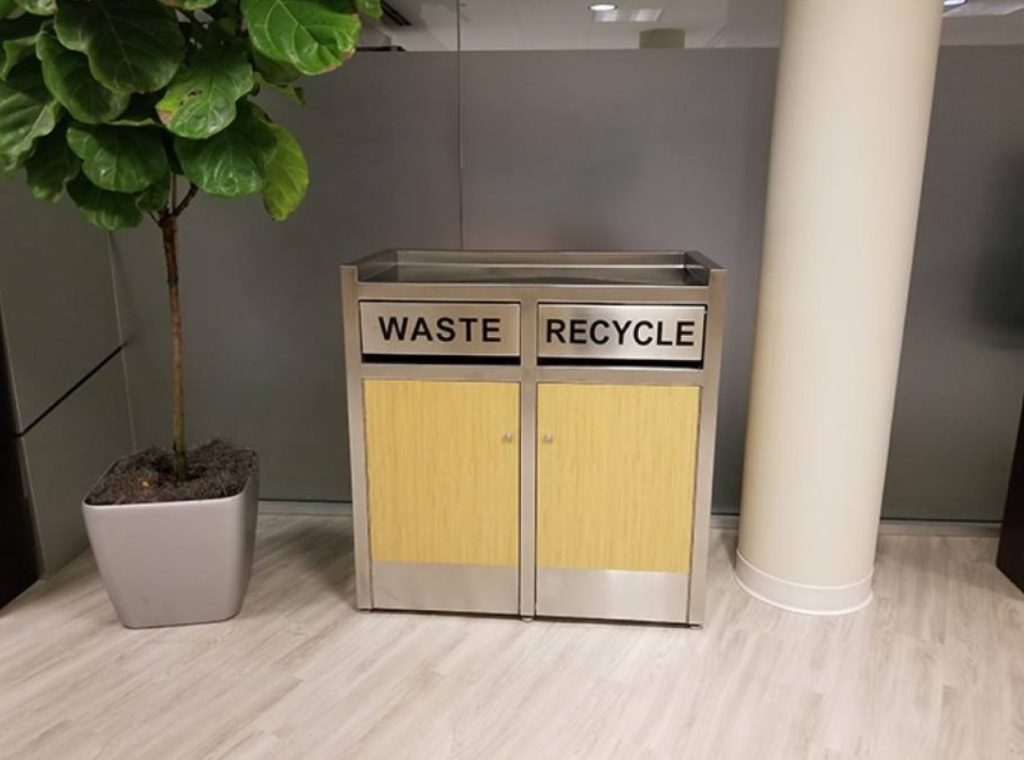
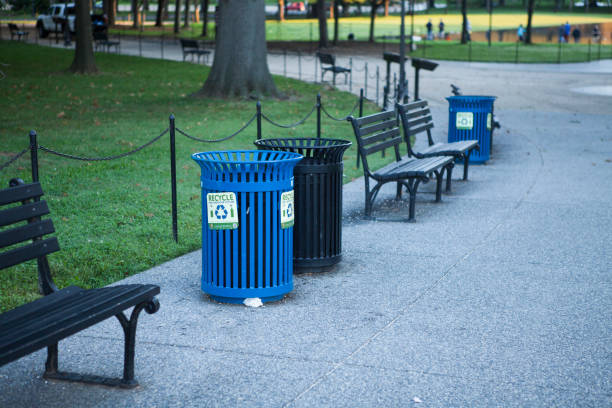
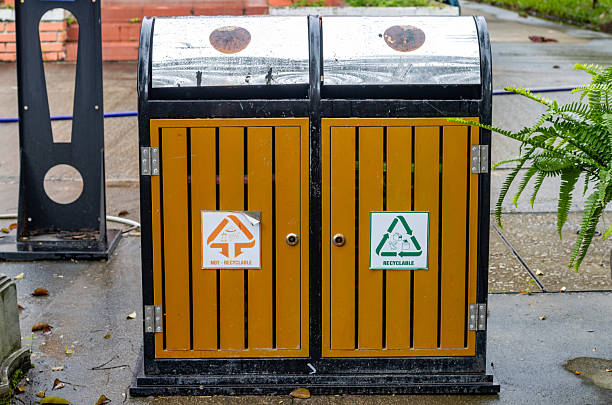
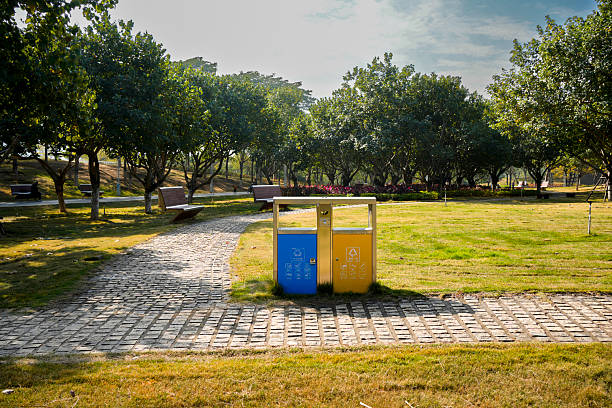
Recycling integration. Adding a recycling bin alongside each trash can rather than placing them separately significantly improves sorting rates. Paired units are easier for visitors to use correctly and reduce contamination in recycling streams.
For facilities managing higher waste volumes, it is also worth exploring whether a more structured approach to collection makes sense. HD’s waste management equipment includes options designed for larger-scale operations where standard bin placement alone is not enough.
If you are sourcing commercial-grade bins for a park, school, municipality, or public facility, HD Outdoor Facilities offers a range of outdoor trash and recycling solutions built for sustained use in demanding environments.
FAQs
How often should park trash cans be emptied?
In high-traffic parks, daily emptying is the standard. Bins in lower-use areas can typically be serviced every two to three days. The key signal is not a schedule, it is capacity. If bins are consistently reaching 75 to 80 percent full before your next service day, either increase emptying frequency or upgrade to a larger bin size.
Where should trash cans be placed in a park?
The most effective locations are near park entrances and exits, picnic tables, playgrounds, water fountains, restrooms, and any spot where people naturally stop or congregate. Along trails, position bins at decision points like intersections or rest areas rather than at random intervals.
What size trash can is best for outdoor parks?
For most park settings, 32 to 44 gallons is the practical range. Picnic areas and event spaces benefit from 44-gallon or larger units. Smaller playgrounds or low-traffic trails can often manage with 20 to 30 gallon bins, especially if they are serviced frequently.
Do I need recycling bins in addition to trash cans?
For most public parks, yes. Pairing a recycling bin with each trash unit gives visitors a clear choice and reduces the volume of recyclables going to landfill. It also signals that the space is well-managed, which tends to encourage better behavior overall.
Related Products