
How to Maintain a Commercial Waste Compactor: Daily, Weekly, and Monthly
Compactors don’t usually fail all at once. A hydraulic hose starts weeping fluid weeks before it finally bursts. A door sensor gets ignored a few times too many before it stops responding altogether. Most facility managers who end up calling for emergency repair had some version of this warning sitting in front of them, they just hadn’t gotten around to it.
Below is what actually needs checking on a commercial compactor, how often, and what to do first when something does go wrong.
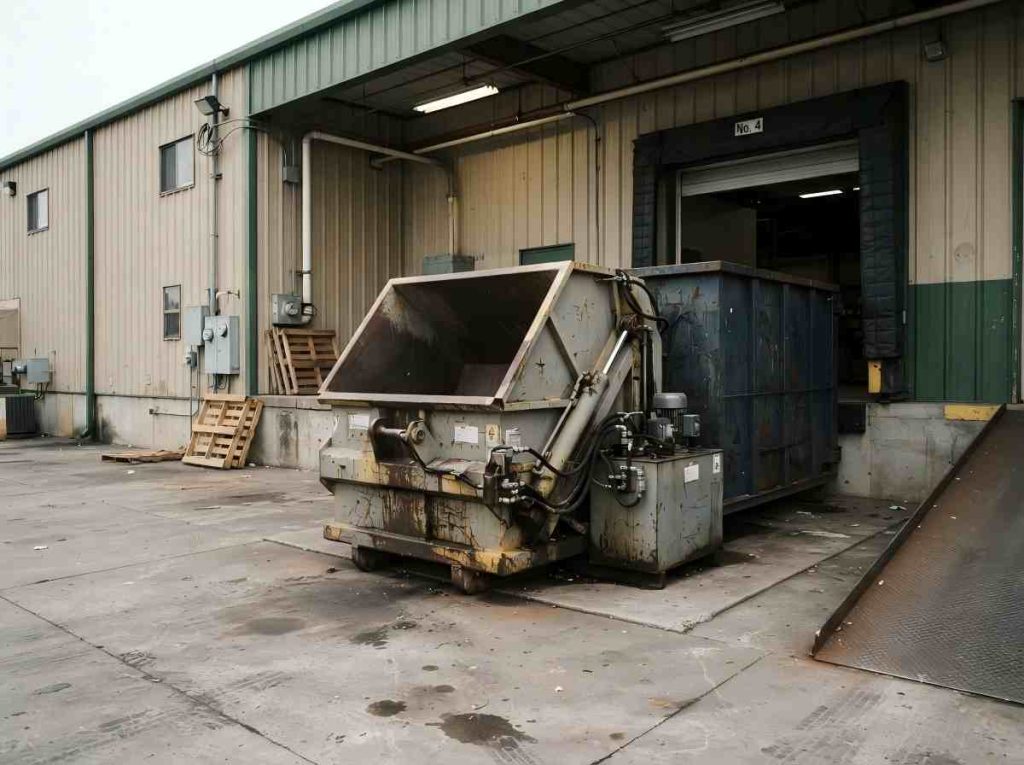
Waste Compactor Maintenance Checklist: Daily/Weekly/Monthly
Some of this needs eyes on it every shift. Other parts can wait a month between checks. The table below sorts out which is which.
| Frequency | Task |
| Daily | Visual check for hydraulic or fuel leaks around the base |
| Clear debris jammed in the compaction chamber or door track | |
| Confirm the safety interlock and door sensor engage properly | |
| Weekly | Check hydraulic fluid level against the manufacturer’s mark |
| Clean photoelectric sensors and limit switches of dust or residue | |
| Inspect drain points and odor control features for blockages | |
| Monthly | Examine hydraulic hoses for cracking, bulging, or wear at fittings |
| Tighten electrical panel connections and check for moisture ingress | |
| Inspect the frame and welds for stress cracks or corrosion | |
| Lubricate hinges, rollers, and other moving parts |
Units with fill-level sensors or remote monitoring can catch some of this automatically, flagging an unusual pressure reading before it becomes a bigger issue. IoT-enabled waste compactors are becoming more common on larger sites for exactly this reason. Even so, sensors don’t replace a person physically checking hoses and seals now and then.
Waste Compactor Maintenance by Component
The checklist above covers the basics, but a few systems deserve a closer look because they’re where most failures start.
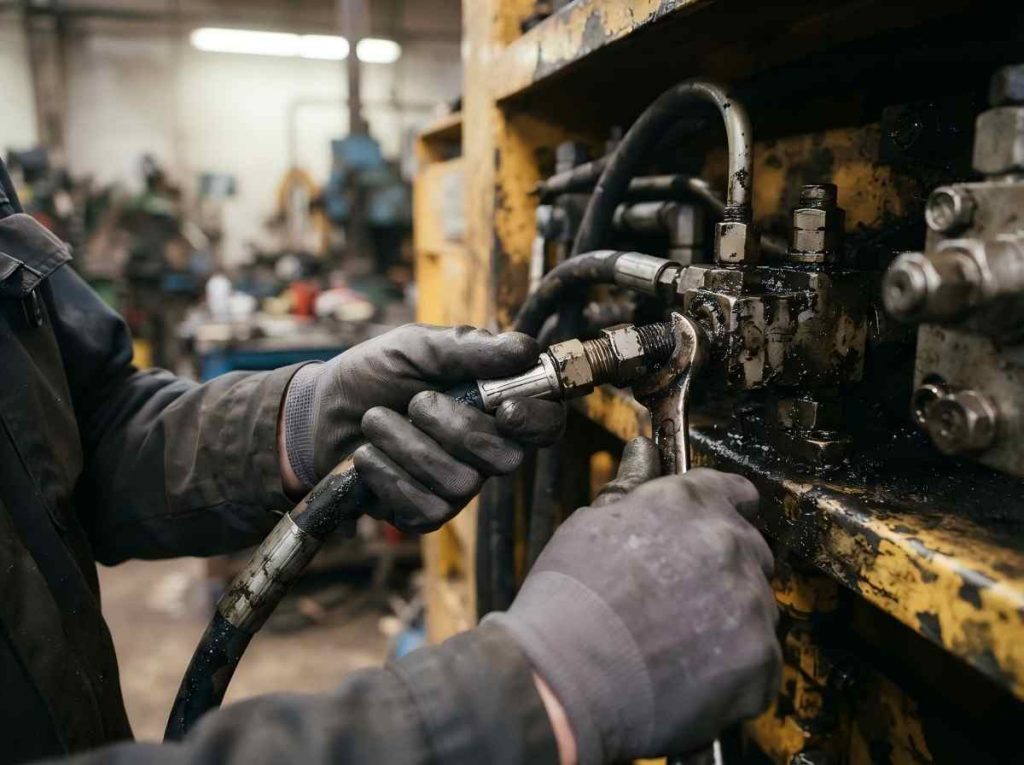
Hydraulic System
The hydraulic system does the heavy lifting, so it’s usually the first place trouble shows up. Low fluid causes the ram to move slower than it should, or not build enough force to compact properly. Beyond checking the level, look at hose fittings for seepage — a slow leak today is a burst hose next month. Some operators schedule an annual pressure test with a calibrated gauge to confirm the system is still running at spec, which catches problems long before they cause a shutdown.
Electrical and Control Panel
Moisture is the enemy here. Open the panel occasionally (with the machine isolated first) and look for discoloration, a burnt smell, or loose terminal connections. Outdoor units in humid climates or coastal areas are especially prone to this, and a corroded connection can trip breakers repeatedly without an obvious cause.
Compaction Plate and Door Seals
Cracks or deformation in the compaction plate reduce how evenly force is applied, which strains the hydraulic system even further. Door seals wear down gradually and stop keeping odor and pests out long before they visibly fail, worth a hands-on check rather than just a glance.
Frame and Safety Systems
Compactors take a beating structurally, especially units handling heavy or irregular loads daily. Stress cracks near mounting points or welds are the kind of thing that gets missed in a rushed inspection but matters a lot. Safety interlocks and warning labels should also be part of this check, not just for compliance, but because a bypassed interlock is one of the more common causes of on-site injury.
Stationary vs. Mobile Compactors: How Maintenance Needs Differ
Not all compactors age the same way. Mobile units carry tires, axles, and towing connections that need their own spot on the inspection list — stationary units skip that but deal more with ground settling and seal fatigue from sitting in one place under constant load. The choice between stationary and mobile waste compactors usually comes down to how much a site’s waste volume fluctuates and whether the unit needs to move between locations. Either way, which type you’re running should shape where you spend extra time on this checklist.
Common Waste Compactor Problems
Compactor isn’t compacting fully. Often a hydraulic fluid or pressure issue. Check fluid levels first, then look for a slow leak at hose connections. If pressure still reads low after topping off fluid, the pump or a valve may need professional attention.
Unusual noise or vibration. Usually debris caught somewhere it shouldn’t be, or a worn bearing. Stop the unit and inspect before running it again, running a compactor with a lodged object often turns a small problem into a bigger repair.
Hydraulic pressure keeps dropping. Beyond an obvious leak, this can point to a failing seal internally. If fluid levels are fine and there’s no visible leak but pressure still drifts down over a few cycles, it’s worth having a technician run a proper pressure test.
Breaker keeps tripping. Check the electrical panel for moisture or a loose connection first, this is the most common cause and one you can often fix yourself. If it keeps happening after a clean, dry panel checks out fine, the motor itself may be drawing too much current.
Safety interlock won’t reset. Usually debris or misalignment at the door sensor. Clear the area, confirm the door closes fully, and try again. If the alarm persists with a clear, properly closed door, the sensor itself may need replacement.
When to Call a Technician for Maintenance Issues
Most maintenance staff can handle the basics on their own — cleaning, clearing debris, topping off fluid, tightening a loose connection here and there. The hydraulic pump, internal seals, and motor components are a different story. Get those wrong and you’re not just risking safety, you’re often turning a small repair into a much bigger one.
Not sure which category something falls into? Have a technician take a look. It’s a cheap call compared to guessing wrong.
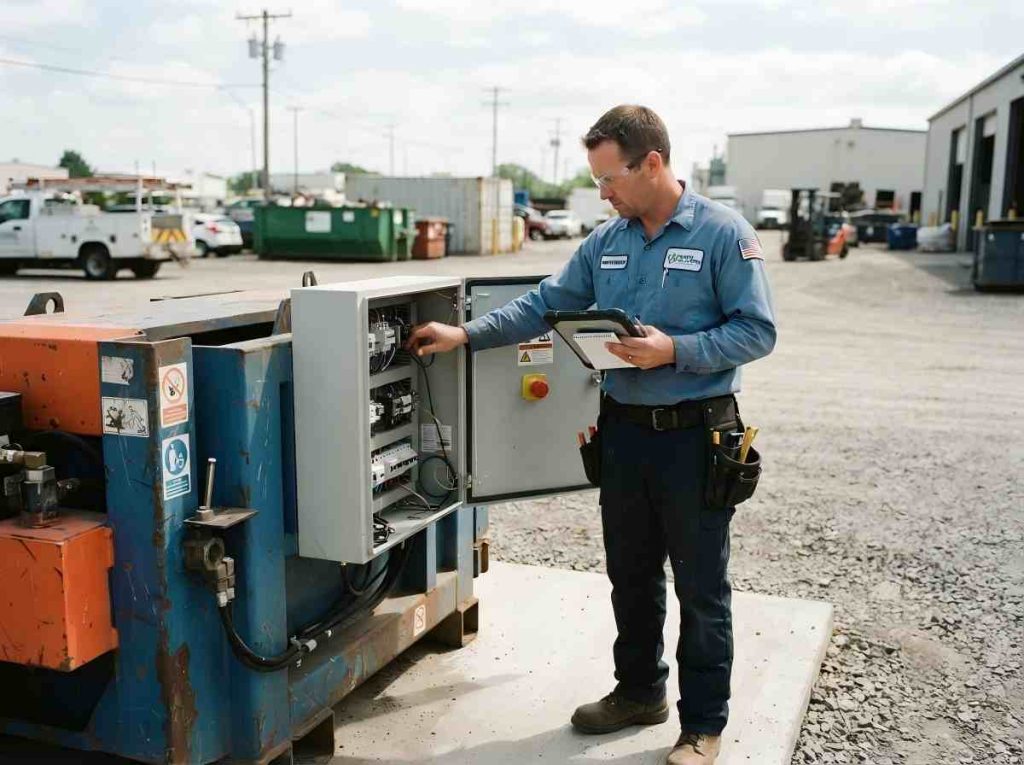
Preventive Maintenance of Waste Compactor
Emergency repairs and unplanned downtime cost far more than staying on top of maintenance ever will, and none of it takes special expertise — just someone actually doing the daily and monthly checks instead of putting them off. Five minutes a day catches most problems long before they turn into a shutdown.
Units that are getting older or struggling to keep up with volume are usually the ones where small issues start piling up. Our industrial garbage compactor lineup is built for that kind of continuous load, and if you’d rather not build a maintenance schedule from scratch, our service team can put one together based on your site’s usage and climate.