Extended Producer Responsibility (EPR) for Textiles: Choosing the Right Clothes Recycling Bins
For decades, public waste management focused almost entirely on dividing glass, plastics, and paper. Clothing and textiles were treated largely as an afterthought, often left to charity groups or simply tossed into general waste bins. However, an invisible regulatory clock is ticking, and it is completely reshaping how cities and commercial properties view used garments.
Every year, the average European consumer discards roughly eleven kilograms of clothing, footwear, and household textiles. The vast majority of these items end up in incinerators or landfills, creating a massive environmental burden and wasting millions of tons of reusable raw materials.
To fix this broken loop, European authorities are turning away from voluntary recycling programs and moving toward strict legislative mandates. The most significant driver of this change is the upcoming rollout of textile Extended Producer Responsibility, commonly known as EPR.
The EU Textile EPR Timeline
In 2018, the EU amended the Waste Framework Directive (WFD), requiring Member States to establish separate collection systems for used textiles by January 1, 2025. This marked the first major step toward a more circular textile economy.
The regulatory framework was strengthened further in September 2025, when the European Parliament formally adopted revised WFD rules introducing mandatory Extended Producer Responsibility (EPR) schemes for textiles. Under the new requirements, producers placing textile products on the EU market—including online sellers and non-EU companies—must contribute to the costs of collecting, sorting, and recycling textile waste.
Member States are required to establish textile EPR schemes within 30 months of the Directive’s entry into force. As a result, municipalities, producer responsibility organizations (PROs), recyclers, and brands are already preparing the collection infrastructure needed to support compliance.
• January 1, 2025 – Separate collection of used textiles became mandatory across the EU.
• September 2025 – The European Parliament adopted revised Waste Framework Directive rules introducing mandatory textile EPR requirements.
• April 2028 – Member States must have textile EPR schemes in place and operational.
What Is Extended Producer Responsibility
Extended Producer Responsibility is a policy model built on one simple idea: the cost of managing a product’s end-of-life should fall on the people who profit from making and selling it, not on taxpayers.
Until recently, when clothing reached the end of its useful life, local governments absorbed the collection and disposal costs. EPR shifts that financial responsibility. Under EPR schemes, textile and footwear producers will pay a fee for each product they place on the market, financing collection schemes and the management of collected textiles, covering reuse, recycling, and disposal.
The scope is wider than many people expect. It covers clothing, footwear, accessories, household linen, curtains, and potentially mattresses, depending on decisions by individual Member States.
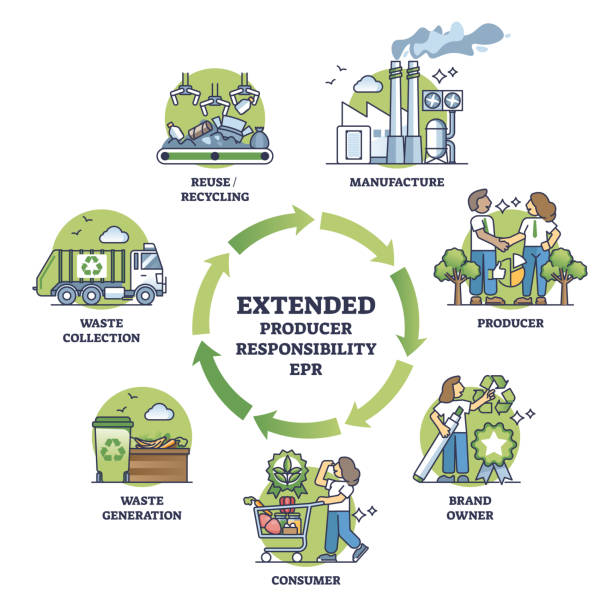
So who is directly affected?
Municipalities need to establish dense, accessible collection networks across public spaces. The January 2025 mandatory separate collection deadline was already a starting point; now they have to build systems that can handle significantly higher volumes and generate traceable data.
Brands and retailers need to fund collection infrastructure and, in many cases, operate in-store take-back programs. In anticipation of upcoming regulations, major retailers including Inditex (Zara), H&M, Decathlon, IKEA, and Primark launched a voluntary pilot scheme in April 2025 in Spain to collect discarded clothes, with containers placed in various locations. This kind of early action is increasingly the norm, not the exception.
Recyclers and social enterprises face a significant capacity challenge. Collection volumes are set to rise sharply, and the existing network of bins, logistics routes, and sorting facilities is not built to absorb it. Infrastructure investment is no longer optional.
France has been ahead of the curve, its textile EPR scheme, Refashion (formerly Eco-TLC), has been in place since 2007, covering end-of-use clothing, linen, and footwear. Other countries are now being pushed to catch up, and the transition window is short.
4 Must-Have Standards: Make a Clothes Recycling Bin EPR-Compliant?
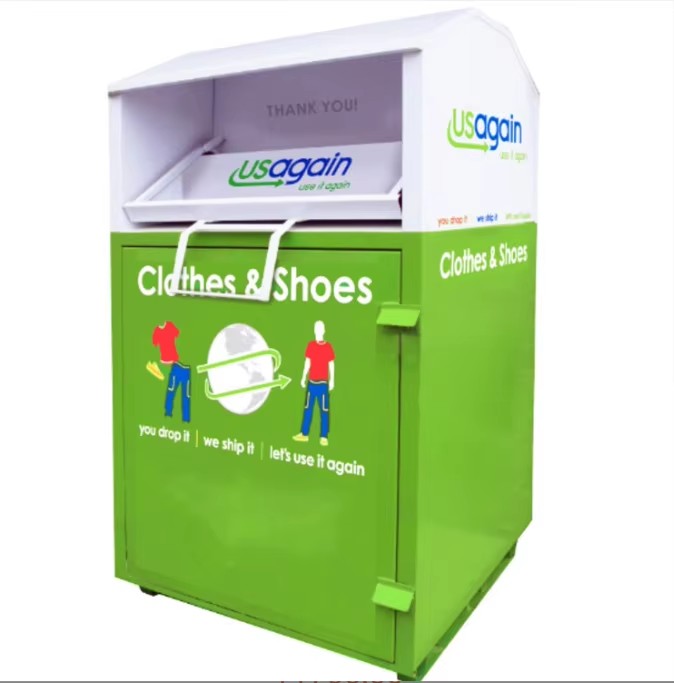
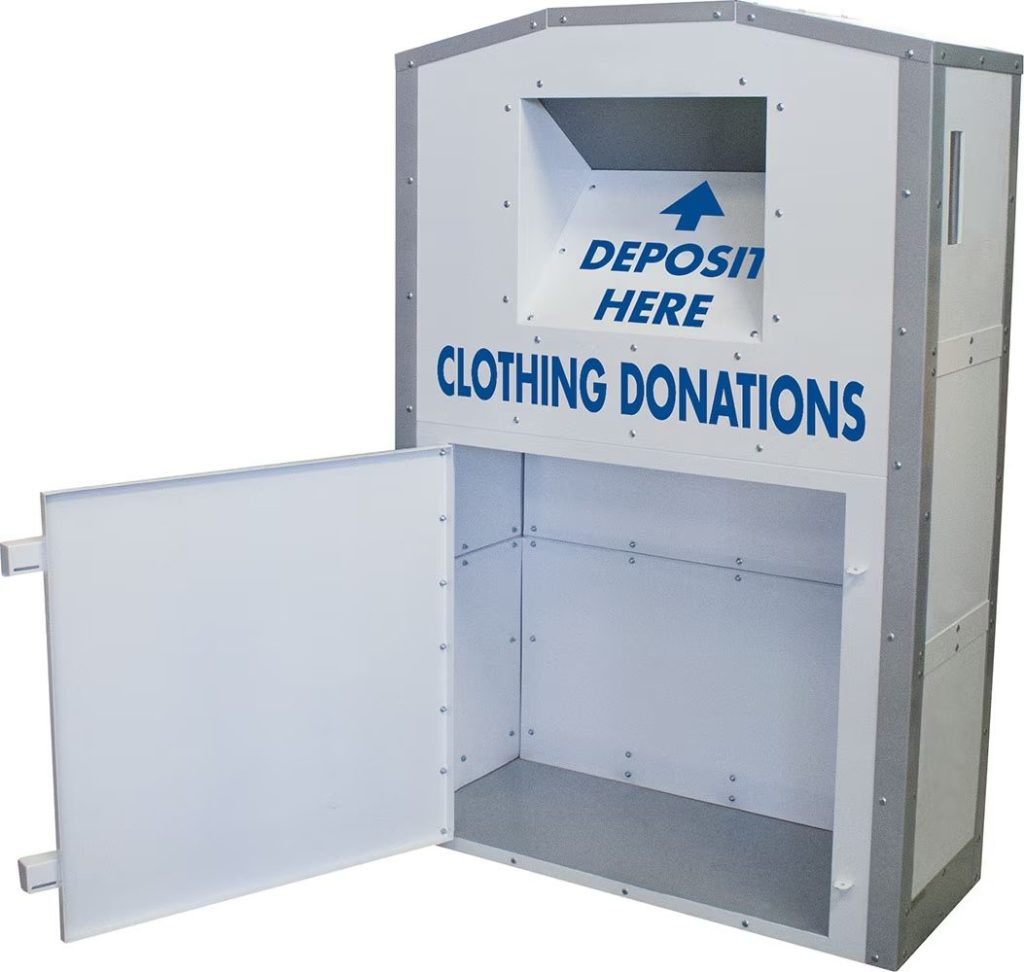
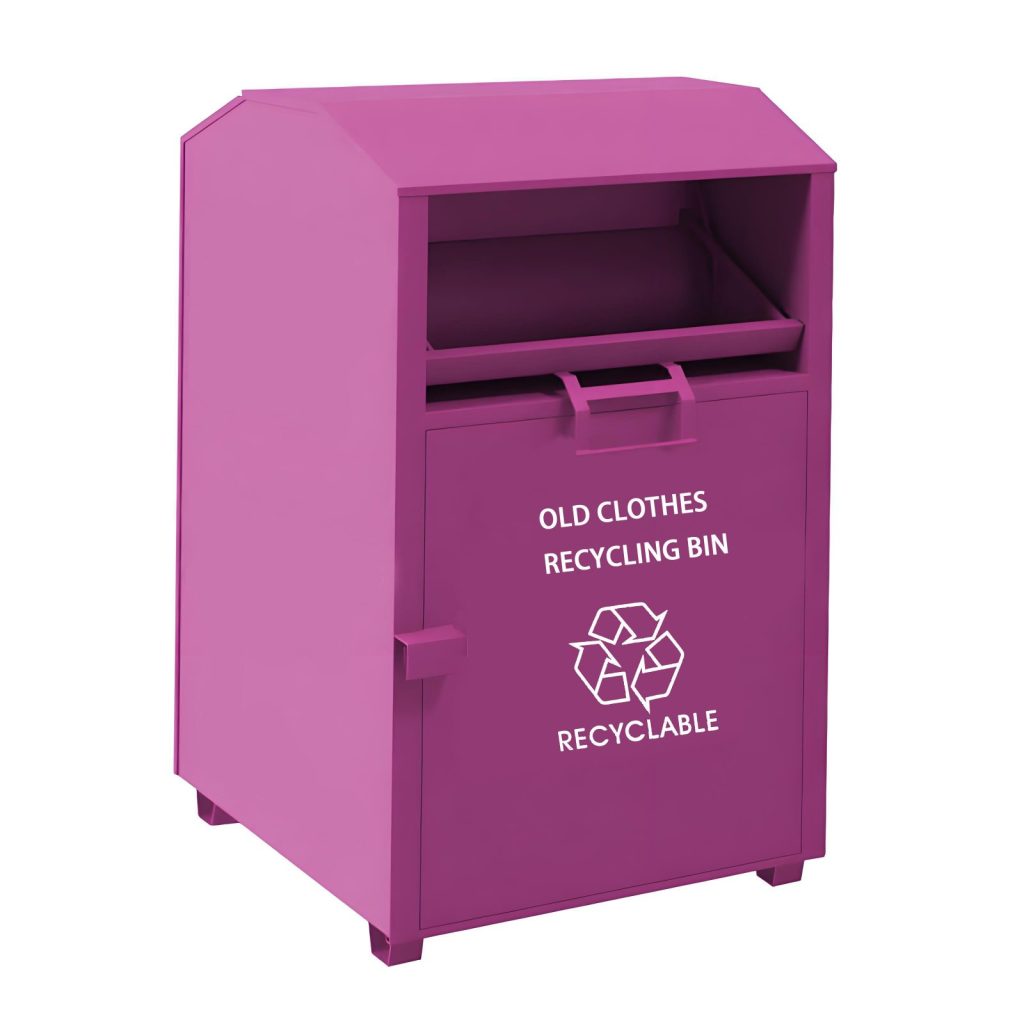
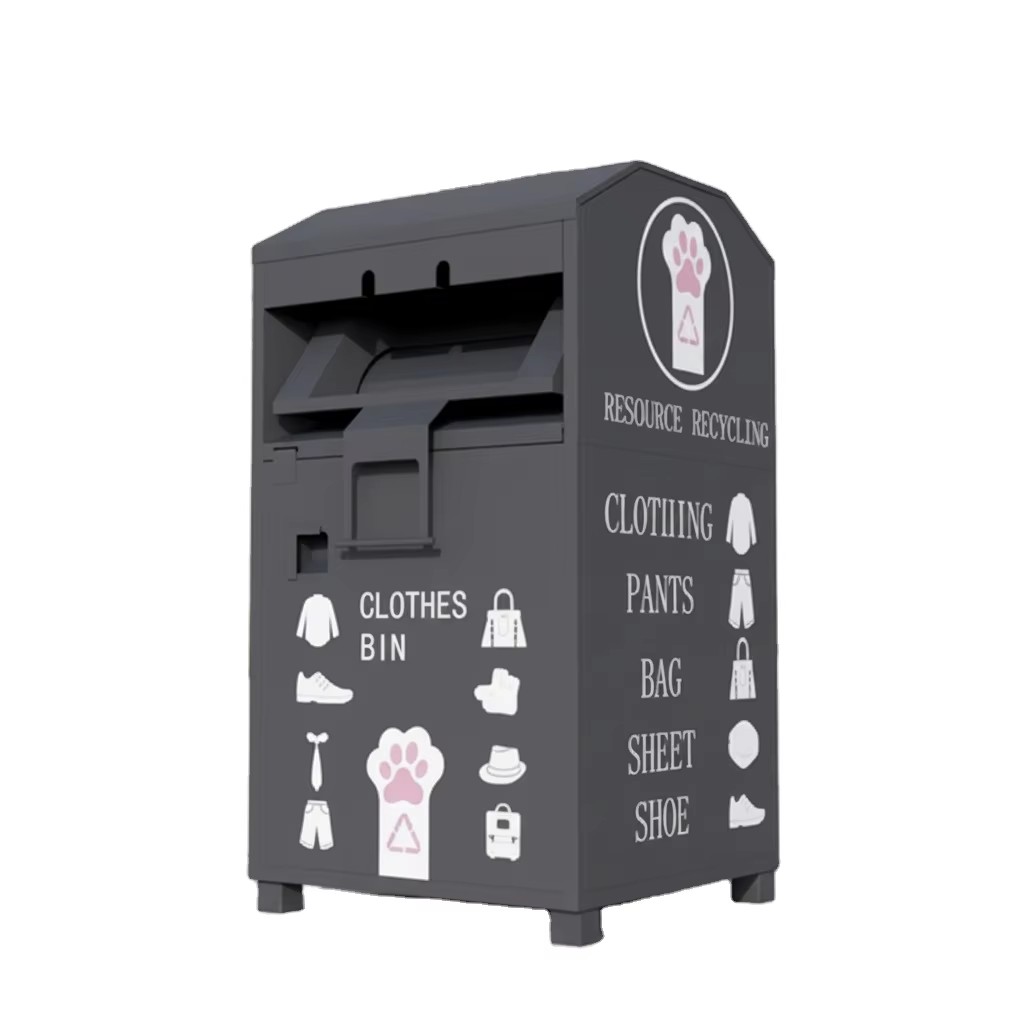
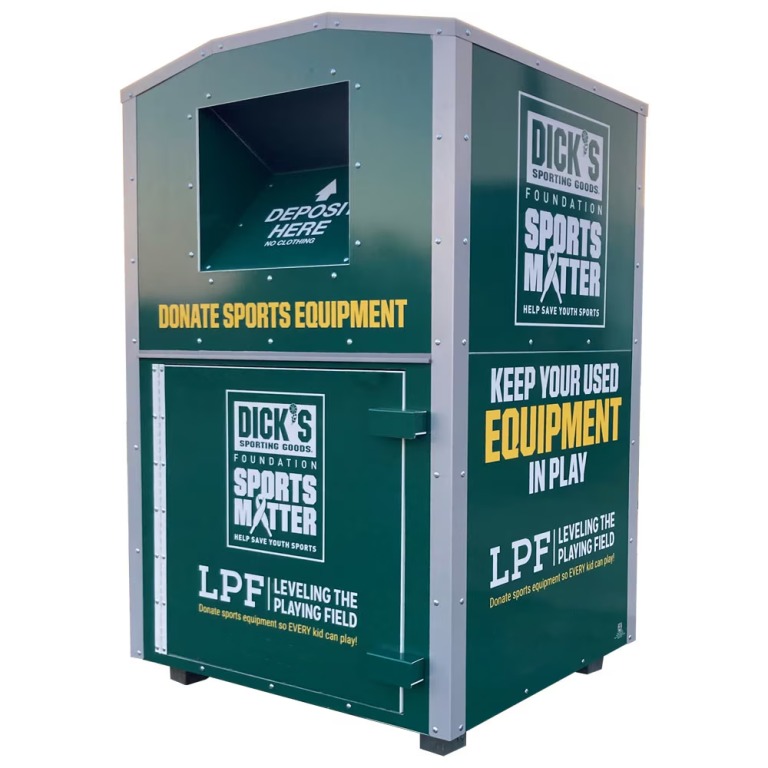
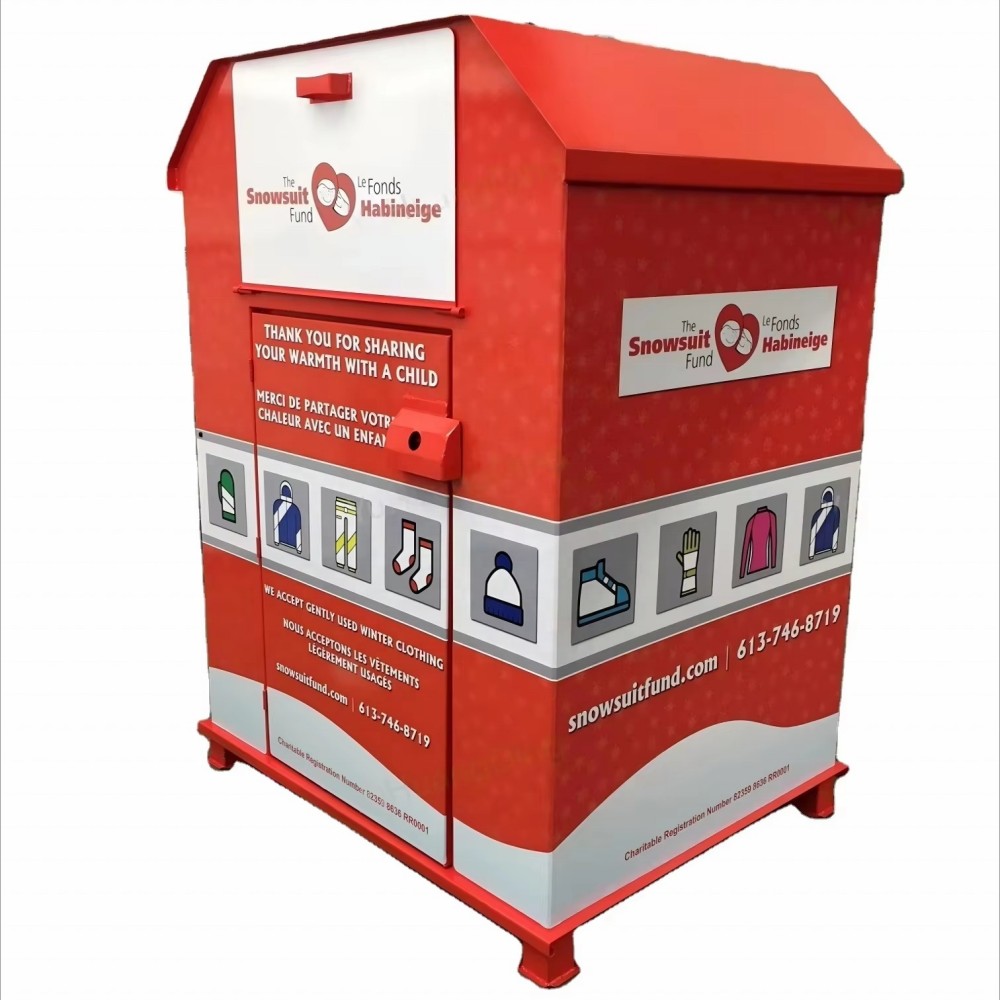
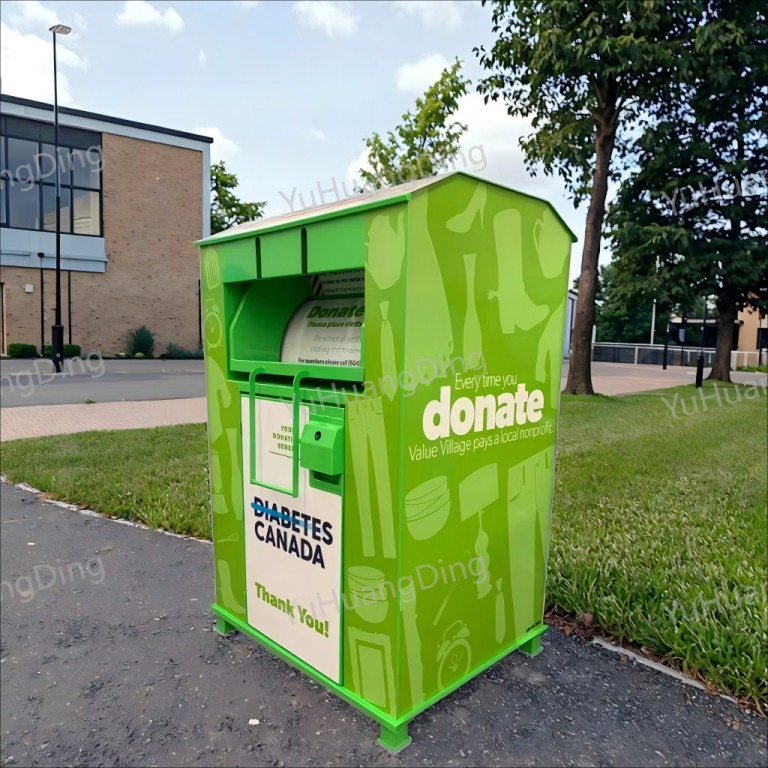
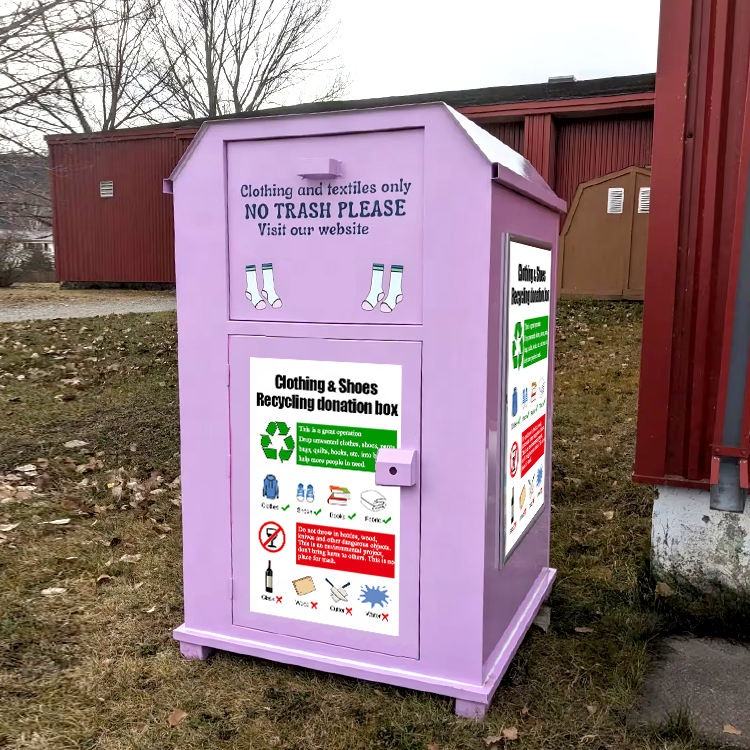
This is where practical decisions meet regulatory pressure. Deploying outdoor clothes donation bins or textile recycling containers is not simply a matter of placing a steel box on a pavement. The bins that will actually perform well in a European EPR context and hold up to real-world conditions need to meet a specific set of requirements.
1. Anti-Theft and Anti-Fishing Design
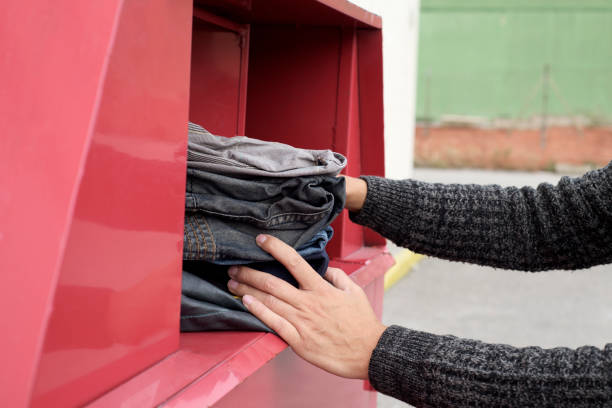
One of the most persistent problems with street-level textile collection is theft. Bins positioned in accessible urban areas are vulnerable to people using hooks or rods to retrieve items from inside, a practice sometimes called “fishing.” Beyond lost donations, there is also a serious safety issue: in documented cases, individuals have attempted to climb inside bins and been injured or killed.
A well-designed outdoor textile recycling container addresses this with a double-baffle or rotating-slot entry mechanism. The principle is simple: clothing goes in, but cannot be extracted through the opening from the outside. This protects both the contents and the operator’s liability.
2. Weatherproofing and Corrosion Resistance
Of the 6.95 million tonnes of textile waste generated in the EU in 2020, only 4.4 kg per person were collected separately with 11.6 kg per person ending up in mixed household waste. One underappreciated reason collection rates stay low is that collected textiles are often damaged by the time they are sorted. Wet clothes develop mold quickly. Once that happens, they lose their reuse value and become a disposal cost rather than a resource.
For Northern and Western Europe, where rain and frost are facts of life for much of the year ,clothing collection bins need proper drainage channels, weather seals, and durable surface treatments. Galvanized steel construction combined with outdoor-grade powder coating is the standard to look for. It is not just about aesthetics; it determines whether the contents remain usable.
3. IoT Compatibility for Data Traceability
EPR regulations carry a data obligation as well as a physical one. Operators need to demonstrate that collected materials are reaching appropriate sorting and recycling facilities and that their collection network is being managed efficiently.
Smart textile recycling bins with integrated IoT fill-level sensors allow operators to monitor container capacity remotely and trigger collections only when needed. This avoids overflow events (which damage public perception and can attract fines), reduces unnecessary vehicle journeys, and gives EPR compliance managers the data records they need. Even if you are not deploying smart bins from day one, it is worth selecting containers with hardware mounting options that allow sensors to be retrofitted later.
4. Accessibility and Anti-Graffiti Coating
Practical design details matter more than they might seem. Drop height and opening dimensions should allow convenient use for most adults, including those with limited mobility. Bins that are awkward to use simply get bypassed.
Surface treatment is equally worth specifying. Bins in high-traffic urban areas are often targeted with stickers and spray paint. A coating that resists adhesion makes maintenance faster and cheaper which matters when you are operating dozens or hundreds of collection points across a city or region.
Meeting EPR Standards Globally with HD Outdoor Facilities
Meeting textile recycling regulations is challenging enough without having to worry about whether your collection infrastructure meets local requirements. HD Outdoor Facilities provides smart textile recycling bins designed to support compliance programs across different markets.
Our customization capabilities allow bins to be tailored to specific project needs, including dimensions, colors, door configurations, labeling, and branded graphics. For customers operating under country-specific frameworks, such as France’s Refashion requirements, we can adapt designs to align with local collection standards and operational preferences.
Beyond product customization, we offer reliable large-scale manufacturing and strict quality control throughout production. Each unit undergoes durability, weather-resistance, and security testing to help ensure long-term performance in public environments. Combined with competitive pricing, this enables recycling operators, municipalities, and producer responsibility organizations to expand collection networks efficiently while keeping costs under control.
Conclusion
EPR regulations are reshaping the textile industry, but they also create an opportunity for brands, municipalities, and recycling organizations to demonstrate their commitment to sustainability. Investing in the right collection infrastructure not only supports compliance but also helps build public trust and strengthen environmental credentials.
If you are planning a municipal textile collection program or looking for EPR-compliant recycling bins for your brand’s take-back initiative, our team can help. Contact us today to discuss your project requirements and receive a tailored B2B quotation, product recommendations, and custom design drawings based on your operational needs.
References
- Revised Waste Framework Directive Enters into Force
- The Impact of Textile Production and Waste on the Environment
- Management of Used and Waste Textiles in Europe’s Circular Economy
- EU Adopts Revised Waste Framework Directive: Mandatory Textile EPR
- Waste Framework Directive: Parliament Adopts New EU Rules on Textiles
- EU Textile EPR: Timeline, Member State Progress & Requirements
- EU Targets Textile Waste with Waste Framework Directive Amendments
Related Products