How to Clean and Maintain Your Plastic Outdoor Trash Can to Extend Its Lifespan?
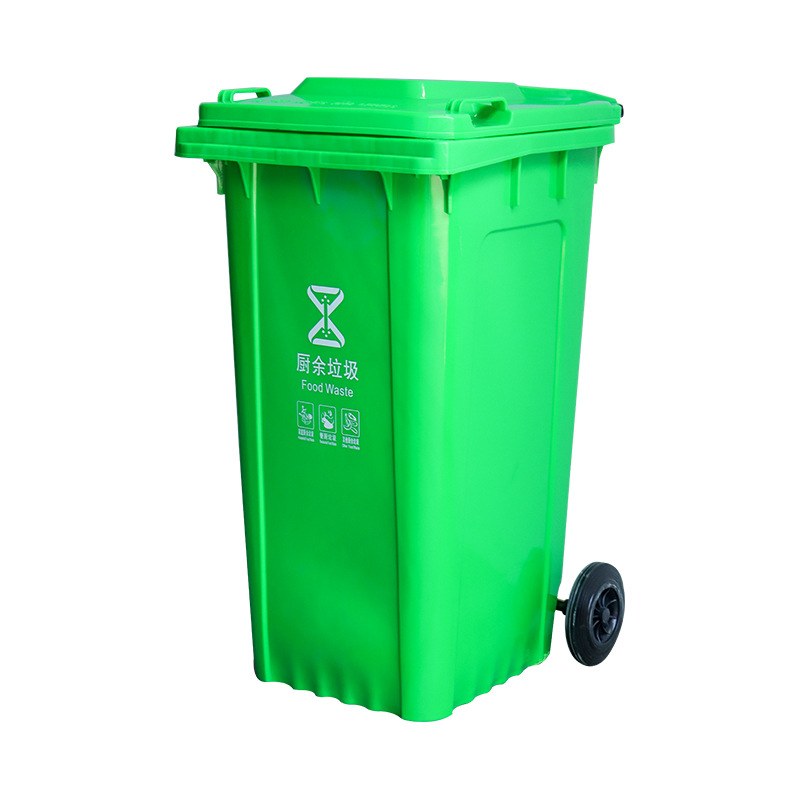
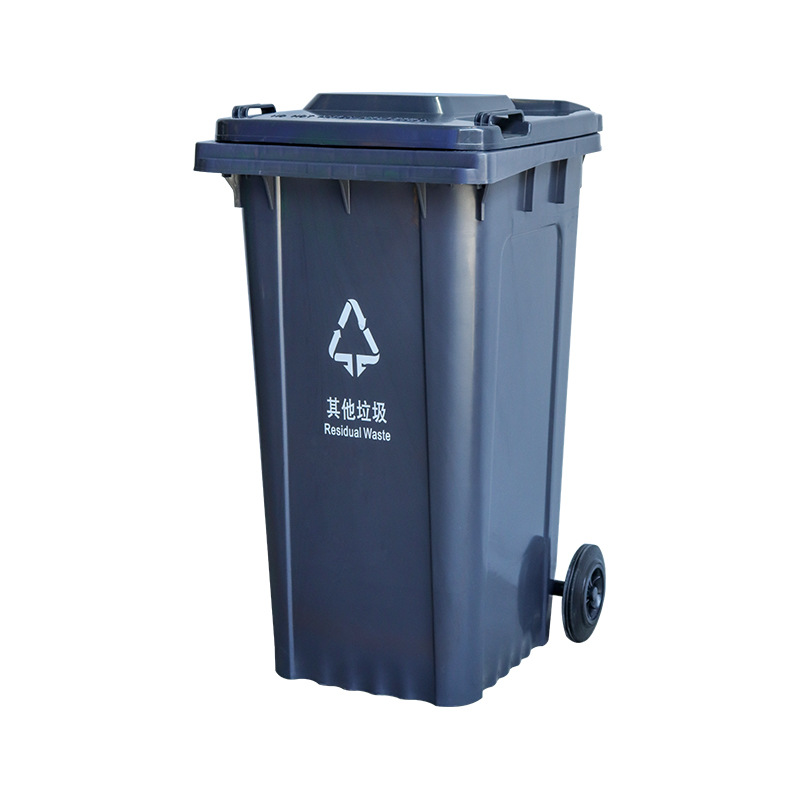
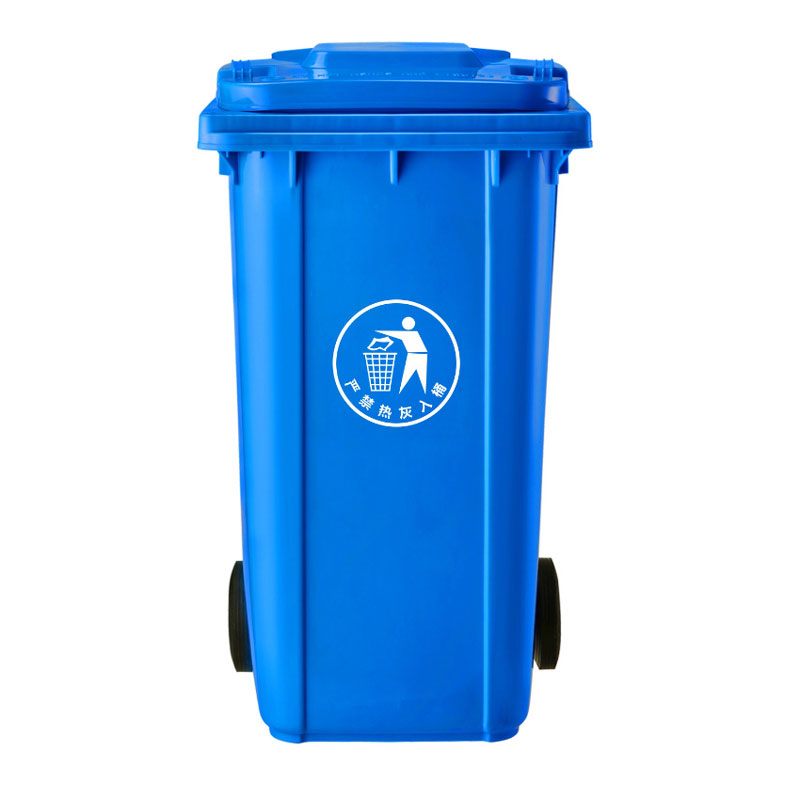
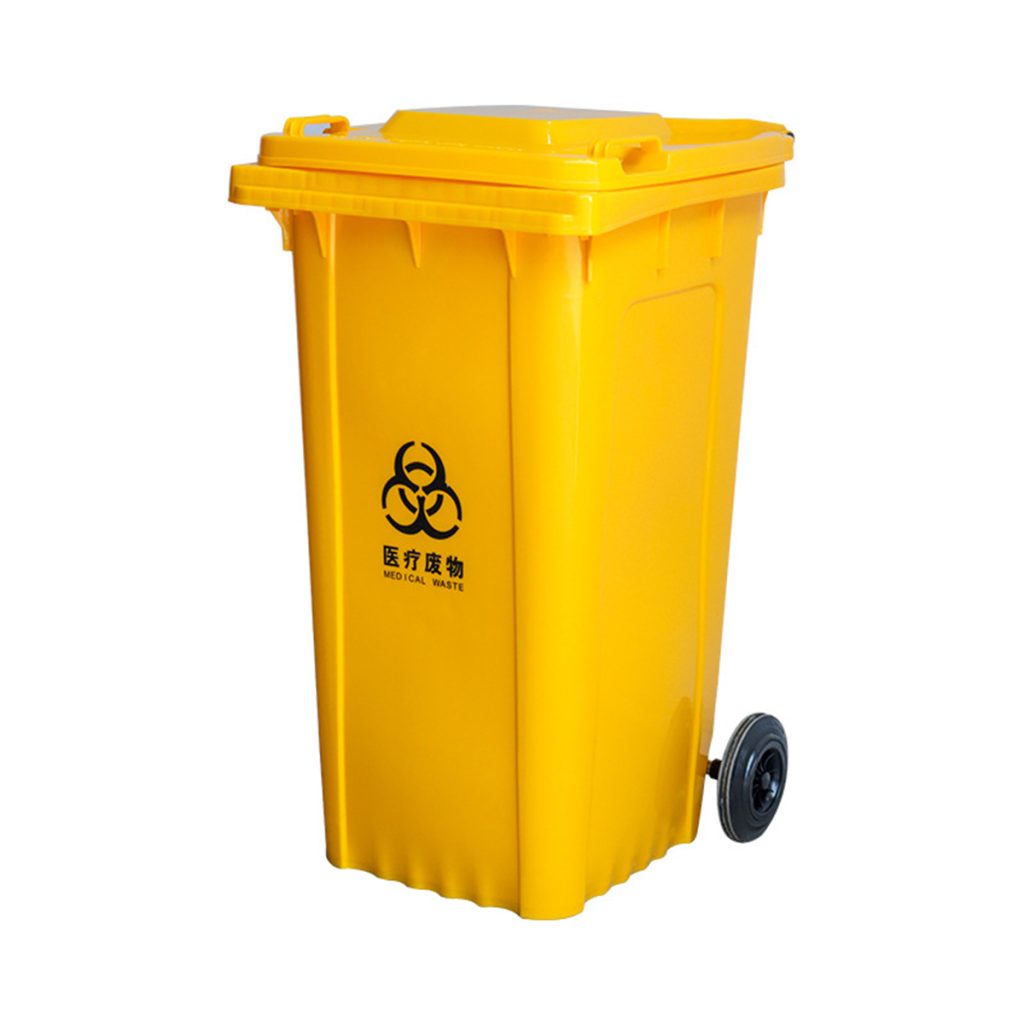
For procurement officers and facility managers, a plastic outdoor trash can isn’t just a container; it’s a depreciating asset. When your inventory scales to hundreds or thousands of units across a municipality or industrial complex, the “service life” of a bin directly influences your annual CAPEX.
Most bins fail not because of low-quality plastic, but due to cumulative structural fatigue and chemical degradation—both of which are preventable. As a plastic dustbin manufacturer specializing in high-density polyethylene (HDPE) injection molding, we have analyzed thousands of “failed” returns. The data is clear: a standardized maintenance protocol can defer replacement costs by up to 40%.
Prevention: Proper Placement and Usage
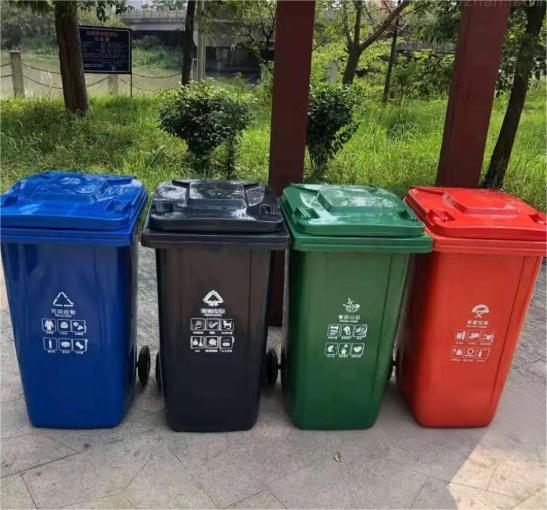
The environment is the chief destroyer of polymers. The best HDPE trash cans fitted with UV8 stabilizers will still suffer from “photo-oxidation.”
- UV Stress Prevention: To prevent brittleness (decrease in tensile strength), do not permanently expose the material to “heat islands,” such as those with asphalt and glass that intensify sunlight. Moving the bins just three feet away into partial shade will cool their surfaces by 15°C, reducing the rate of polymer chain breakage.
- Chemical Threats: HDPE is resistant, but it is not invincible. Hydrocarbon (motor oil) exposure or oxidants may set off Environmental Stress Cracking (ESC). If your bins operate in car or factory surroundings, installing liners is not optional; it is compulsory.
Standardized Cleaning Protocol: Industrial Efficiency
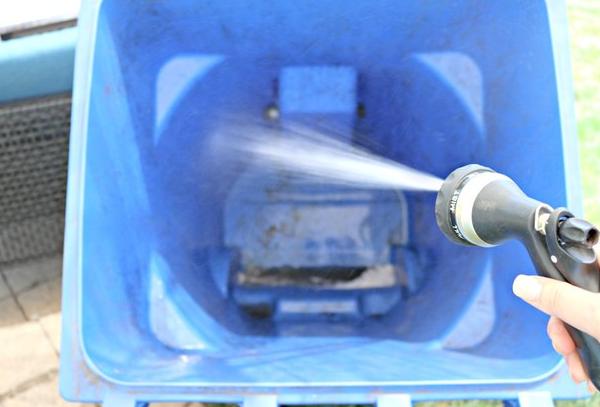
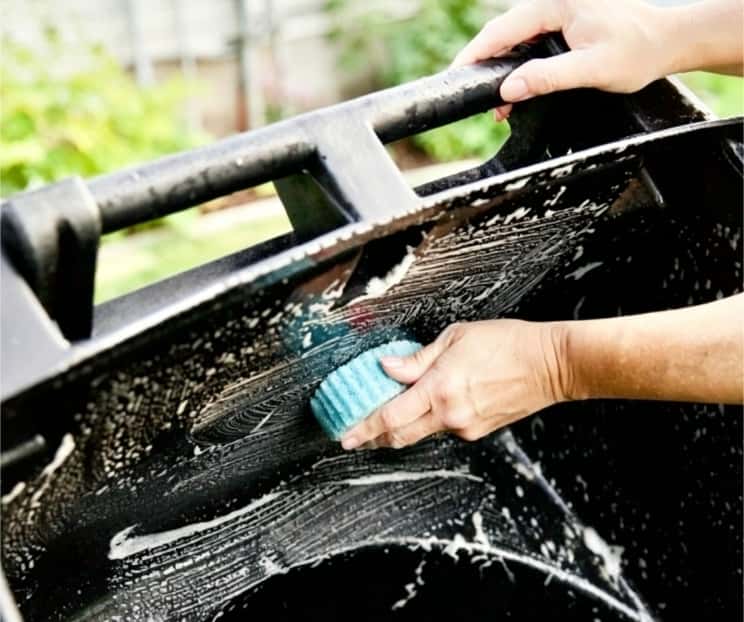
Cleaning is not just for hygiene; it is also to prevent the buildup of corrosive residues.
- High Pressure Rinsing: Employ industrial pressure washers no higher than 1,500 pounds per square inch (PSI). Excessively high pressure will cause unnecessary abrasion on the polished interior, increasing adhesion by future waste.
- Scouring Precaution: Avoid the use of wire brushes or any type of abrasive sponge. The scarring on the interior surface will form what are known as “micro-pockets,” creating an ideal place for bacteria and odor, making future cleanings less effective
- Degreasing Chemicals: Stay away from chemicals with large amounts of bleach and aromatic hydrocarbons. Utilize neutral pH, environmentally friendly degreasing agents. This will preserve the polymer molecules from premature aging.
Inspection and Lubrication of Key Components
The trash bin itself is unlikely to wear out; rather, it will be the moving parts.
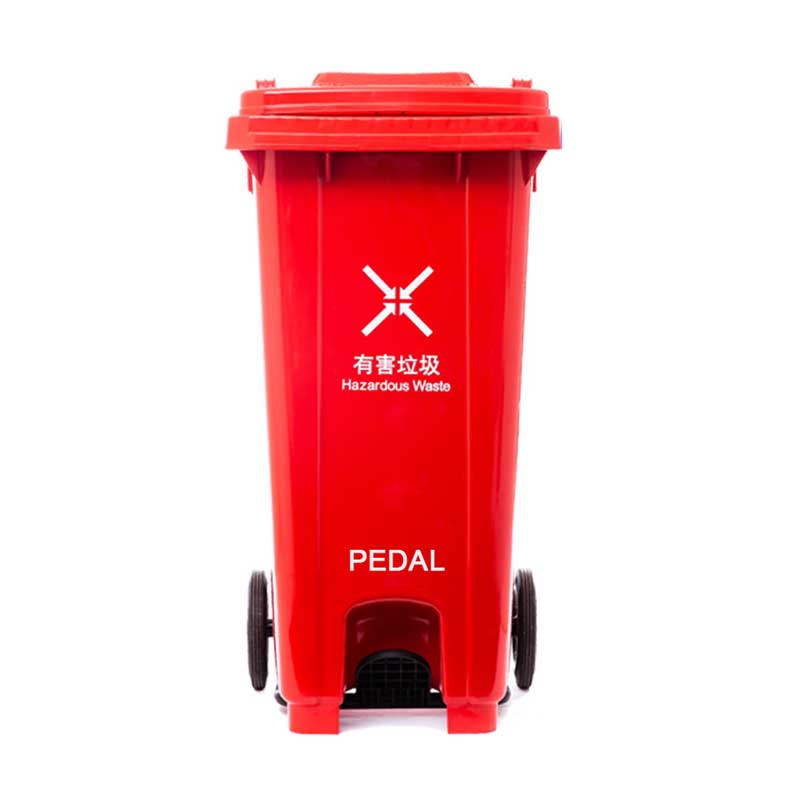
- Calibration of the Pedal Assembly: For pedal-operated bins, check the linkage rod. The loose bolt makes the lid swing unevenly, thereby placing a strain on the hinges. By securing these joints on a monthly basis, you’ll prevent any hinge-snap accidents.
- The Steel Axle: Most durable bins feature galvanized steel axles. But exposure to salt-laden air or corrosive run-off may result in oxidation. Lubricate the ends of your bin’s axle with a dry film lubricant once every six months. Unlike grease, dry-film lubricants do not attract dust and grit, which act as sandpaper on the plastic wheel hubs.
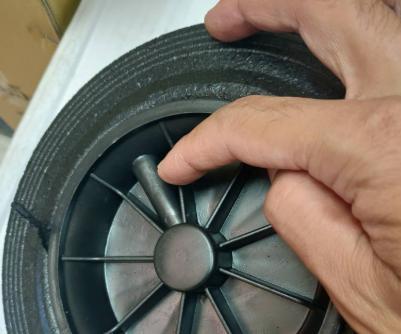
- Rubber wheels: Examine them for cracks and wear. A wheel that doesn’t rotate smoothly puts immense lateral stress on the bin’s body during transport, leading to cracks in the base.
Quick Repairs for Common Damage
Not always do you have to change the can if there is a minor problem with a plastic trash can. The following solutions will do:
1. Minor crack (under 3 inches, not on the bottom)
First, clean the area. Then drill small holes on both ends of the crack. Finally, apply two-part plastic epoxy glue (such as JB Weld). Leave it overnight. This kind of repair should work for about 12–18 months.
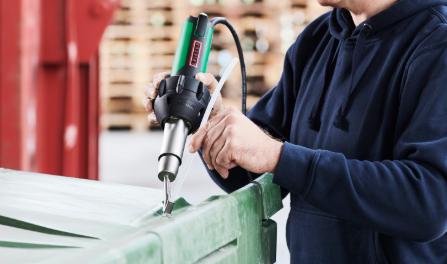
2. The wheel doesn’t spin
Put the can upside down. Remove any string or hair stuck around the axle. Use only silicon oil, not WD-40. WD-40 tends to attract dust. If a wheel is flattened, replace it together with its partner.
3. Handle Bracket is Broken
Remove old rivets using a drill gun. Pop Rivet using Aluminum Rivet and Washers. Never Steel Rivet as Steel Causes Plastic to Crack. Takes only Three Minutes.
Trash Can Replacement?
- Length of crack exceeds one inch
- Melted or Soft Bottom
- Powdery Feel to Trash Can (Caused by UV Rays).
Never try to fix these. They will break again soon!
Conclusion: Quality Manufacturing as the Baseline
Here is a technical summary for procurement managers:
| Feature | Maintenance Action | Frequency |
| HDPE Body | Pressure wash with pH-neutral soap | Monthly / Quarterly |
| Solid Steel Axle | Apply dry-film lubricant | Semi-annually |
| Lid Hinges | Check for pin alignment | Quarterly |
| Lifting Comb | Inspect for stress whitening | Monthly |
Maintenance can do nothing more than conserve whatever is present to begin with. In cases where the manufacturing process includes low-density scrap and insufficient rib reinforcement in the bottom part of the product, maintenance cannot prevent any form of breakdown.
With HD Outdoor Facility, our designs come complete with reinforced combs and increased thickness in the wear zones for enhanced mechanical lifting. Maintenance, as far as we are concerned, is just that last link in the chain for making our designs effective.
In need of high-end outdoor waste bins made from HDPE? Contact us now for detailed information on specifications and pricing!
Related Products