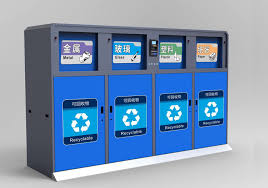
How a Smart Trash Bin Can Transform City Garbage Collection in 2026?
As cities continue to grow, the volume of waste they generate increases year by year. Traditional garbage collection systems, which rely heavily on fixed schedules and manual inspection, are struggling to keep up with this pace. Overflowing bins, inefficient routes, and high labor costs have become common challenges in many urban areas.
Against this background, smart trash bins are emerging as a practical solution. By combining sensors, data systems, and automated features, these bins are changing how cities manage waste. In 2026, they are no longer a concept for the future—they are becoming a core part of modern urban infrastructure.
What Is a Smart Trash Bin?
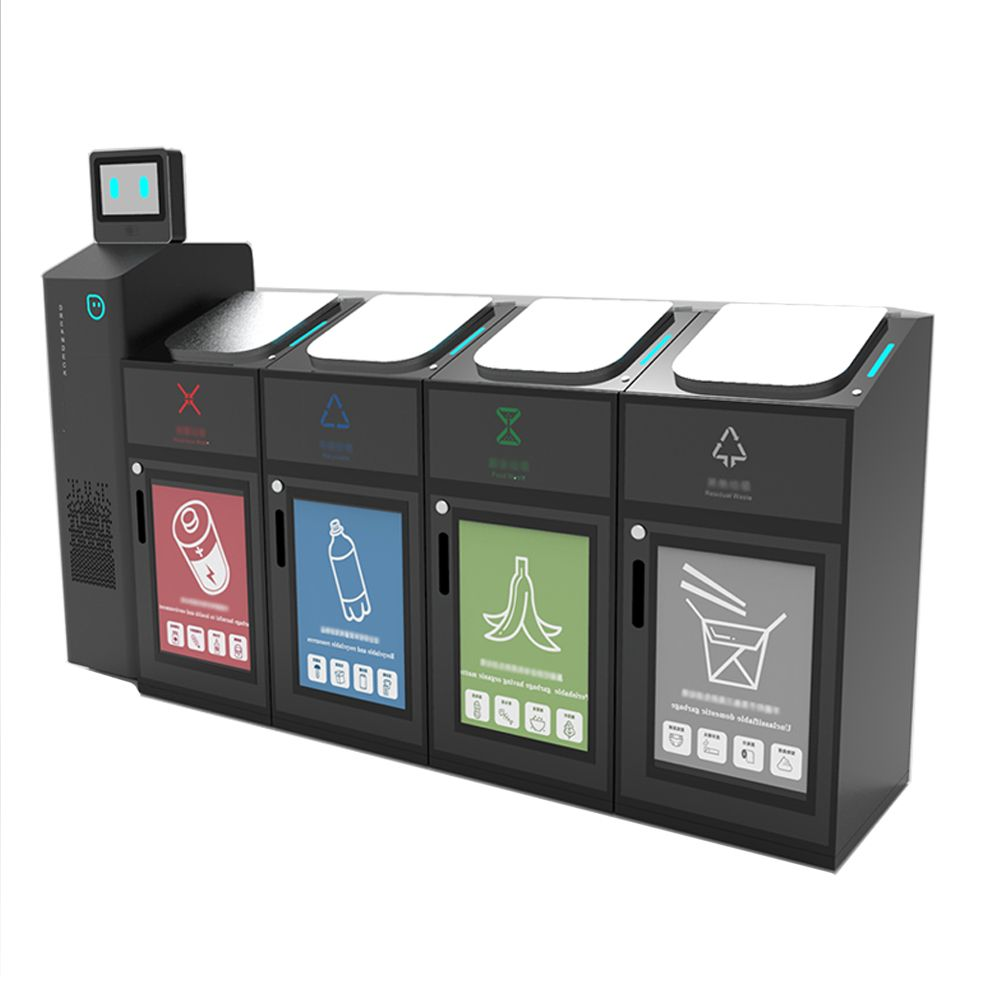
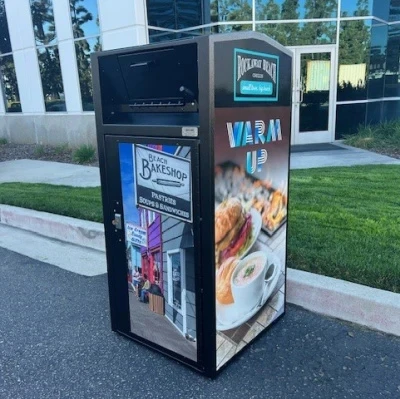
The smart trash bin functions as more than a waste container. The device operates as a smart waste container which includes sensors and communication modules for self-monitoring and data transmission to a central management system.
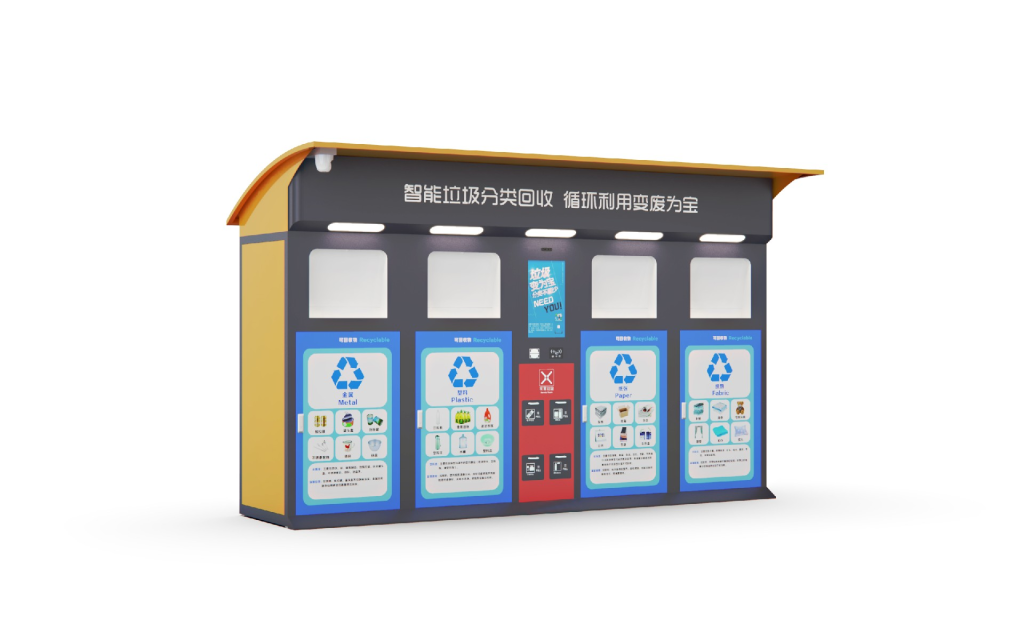
Some models focus on capacity detection, using sensors to measure how full the bin is in real time. The system includes advanced sorting capabilities which enable automatic separation of recyclables from standard waste materials. The bin transforms into an operational part of a city’s waste management system through its combined features which create an active waste management system.
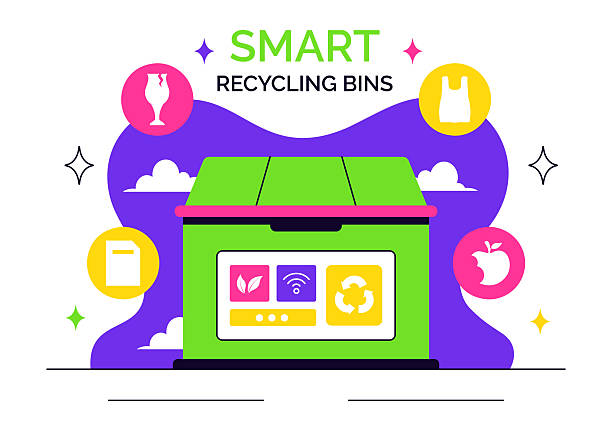
Key Features That Make Smart Trash Bins Different
Smart trash bins stand out because they can “see,” “report,” and sometimes even “decide.”
They detect fill levels automatically, track usage patterns, and send alerts when they need service. Some are also designed with smart sorting mechanisms that guide users to dispose of waste correctly.
In addition, all this data can be collected and analyzed in a cloud-based platform. This allows city managers and service providers to make informed decisions instead of relying on assumptions or routine schedules.
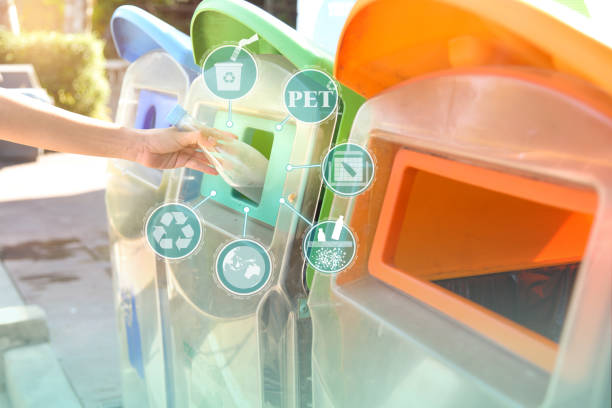
How Smart Trash Bins Improve City Garbage Collection
This is where smart trash bins make their biggest impact. Their value is not only in technology itself, but in how that technology improves daily operations.
1. Increasing Collection Efficiency and Reducing Unnecessary Trips
In traditional systems, garbage trucks often follow fixed routes and schedules. This results in some bins being emptied when they reach half capacity whereas other bins reach their maximum capacity before the next scheduled collection. Both situations waste time and resources.
Smart trash bins solve this problem by reporting their fill level in real time. Collection teams can see exactly which bins need service and which do not. The system enables route optimization through actual demand data instead of using estimated values.
The system decreases unnecessary driving by reducing the number of trips and the distance drivers must travel while optimizing vehicle operations. Cities experience a decrease in fuel usage and vehicle damage and waste collection traffic congestion during the coming years.
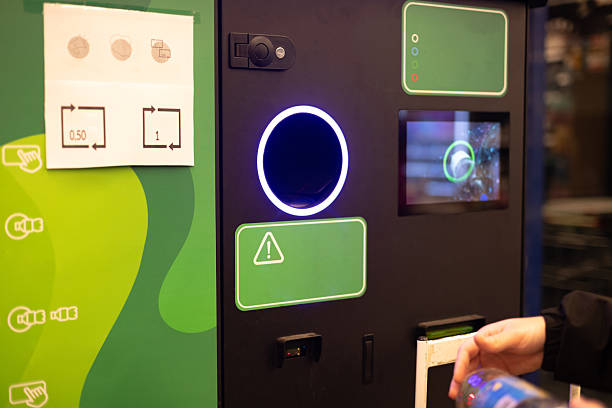
2. Lowering Labor and Operating Costs
The process of garbage collection requires extensive manual work because it needs drivers and loaders and supervisors and maintenance staff members. The labor expenses start to rise rapidly whenever the routes become less effective.
Smart trash bins use their automated system to perform multiple routine checks. Staff members do not need to check the bins because the system automatically provides full bin status information. The system provides that information instantly.
The system allows teams to concentrate on activities which require human workers. The system helps save working time because it avoids empty and partially full bins and enables better staff scheduling. The city authorities and service providers experience financial benefits through reduced operational expenses and better budget predictability which will last into the future.
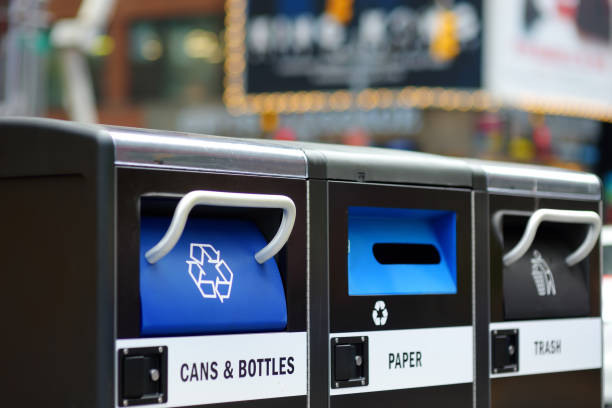
3. Improving Waste Sorting Accuracy
The main problem which modern waste management systems face hinges on their ability to accurately separate different types of waste material. The combination of recyclable materials with non-recyclable materials leads to decreased material value and increased costs for waste treatment operations.
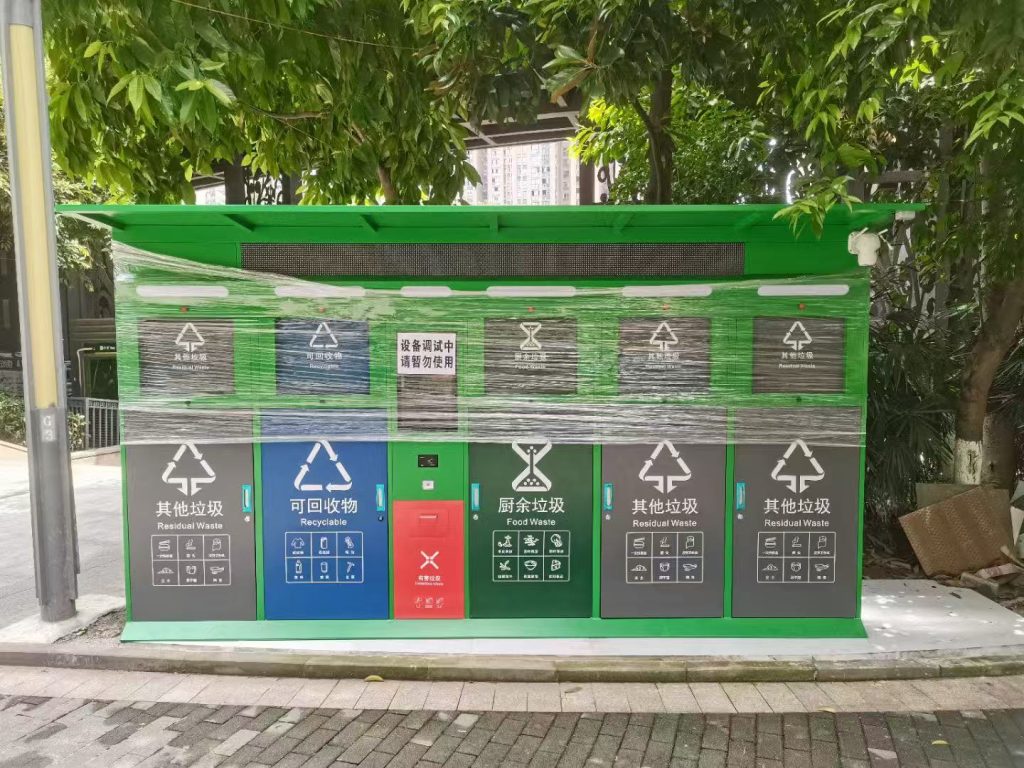
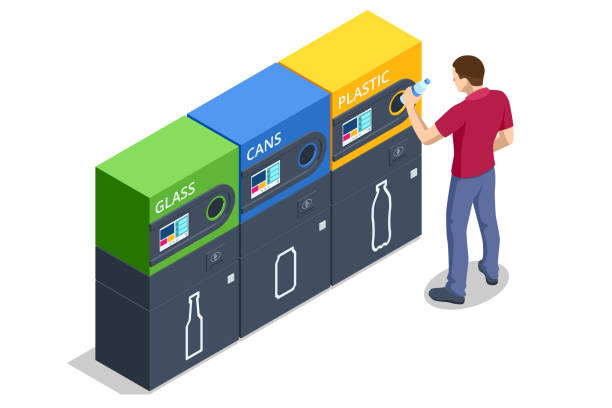
Smart trash sorting bins help address this issue at the point of disposal. The system uses clear interfaces which guide users through waste disposal by opening doors which display their correct waste disposal locations.
People are more likely to obey sorting rules when they receive immediate visual or functional guidance. The process of improving material quality through time leads to better results for recycling systems which depend on collected resources.
The cities which want to achieve their environmental goals require sorting systems which provide precise waste material separation.
4. Enhancing the Urban Environment and Citizen Experience
Garbage collection operations face more challenges than a simple logistical problem. The presence of overflowing garbage bins and unpleasant smells and littered waste materials creates an unappealing atmosphere which affects public spaces and diminishes people’s happiness.
Smart trash bins help prevent these problems by ensuring bins are serviced before they become a nuisance. The system notifies teams about bin capacity which prevents any chances of overflow from happening.
Many smart bins come with modern design elements that create an aesthetic appearance. These bins work better in commercial districts and parks and campuses and residential neighborhoods.
For citizens, this creates a sense of order and care. The city shows an organized appearance which creates a modern image that attracts visitors and businesses.
The Role of Smart Trash Bins in Smart City Development
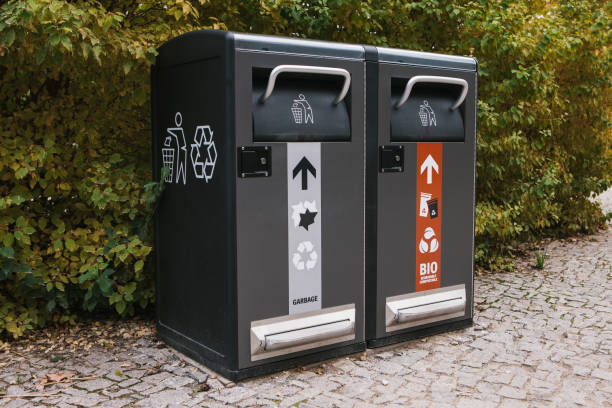
The smart trash bins operate as an essential component of the smart city system. The bins produce data which researchers can use to establish connections with various urban systems that include traffic management, environmental monitoring, and public service platforms.
Data-driven waste management helps cities operate with greater transparency and efficiency while achieving sustainable results.
Cities will need to find new waste disposal methods because their existing garbage collection systems will become insufficient by 2026. The increasing population and need for environmental protection and financial management require advanced waste management solutions.
The use of intelligent garbage bins enables cities to achieve better operational results while decreasing expenses and improving waste sorting capabilities and creating better public spaces. Intelligent systems transform waste management from a system that responds to incidents into a system that anticipates upcoming needs.Smart trash bins provide essential infrastructure for cities which want to improve their waste management systems. Smart trash bins create the basis which enables cities to develop cleaner environments and improved operational efficiency and enhanced quality of urban life. If you are considering purchasing smart trash bins, please feel free to contact HD.
Related Products