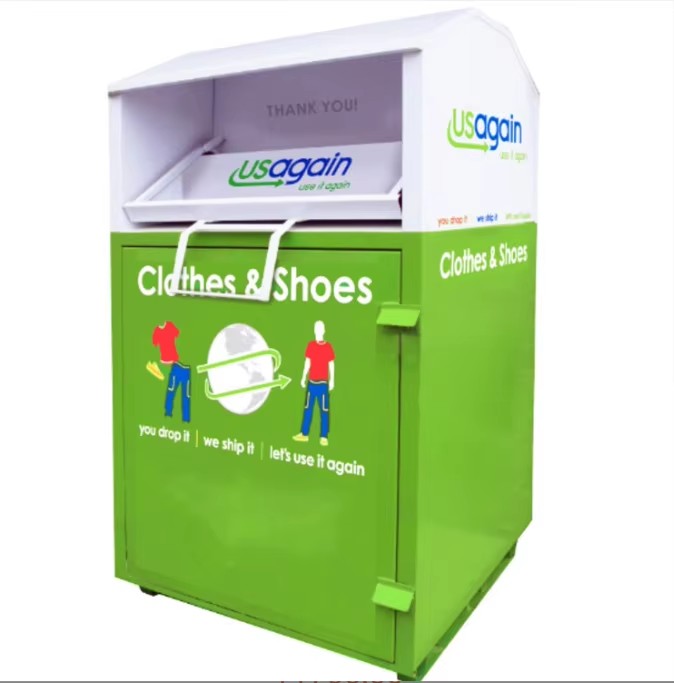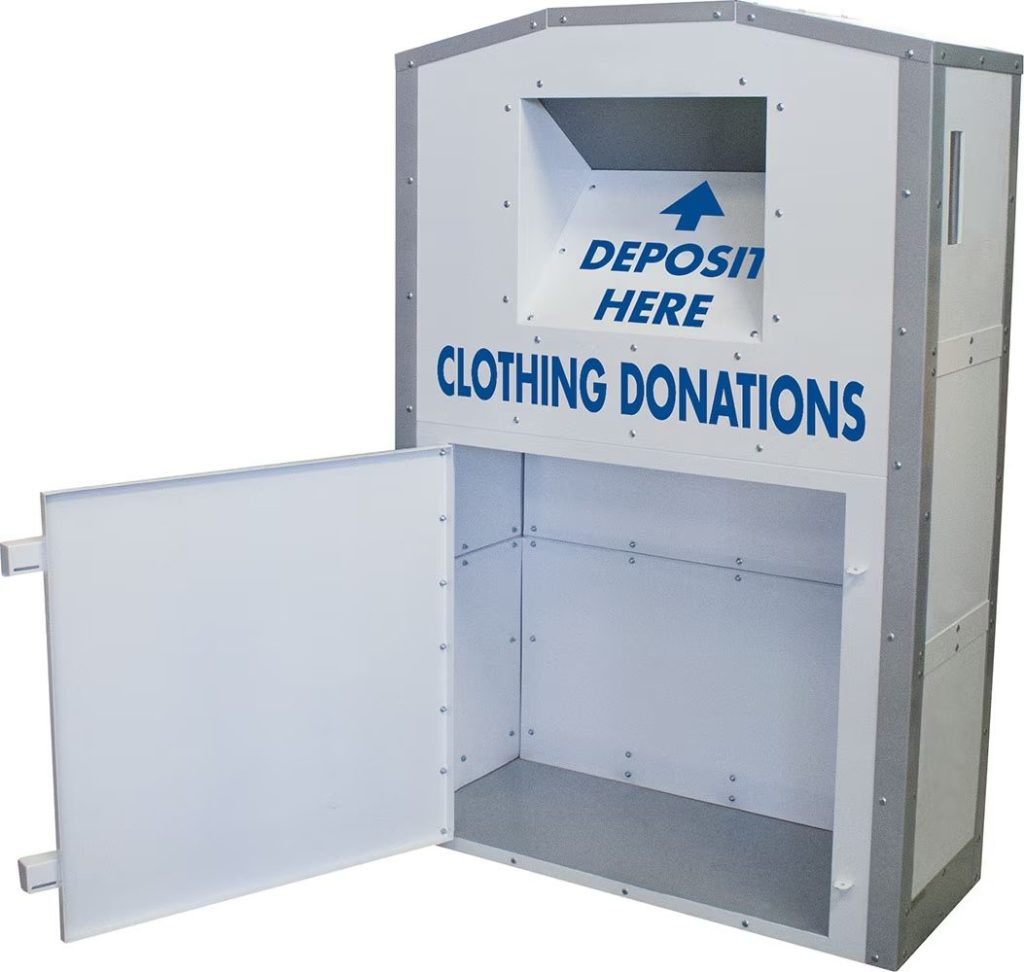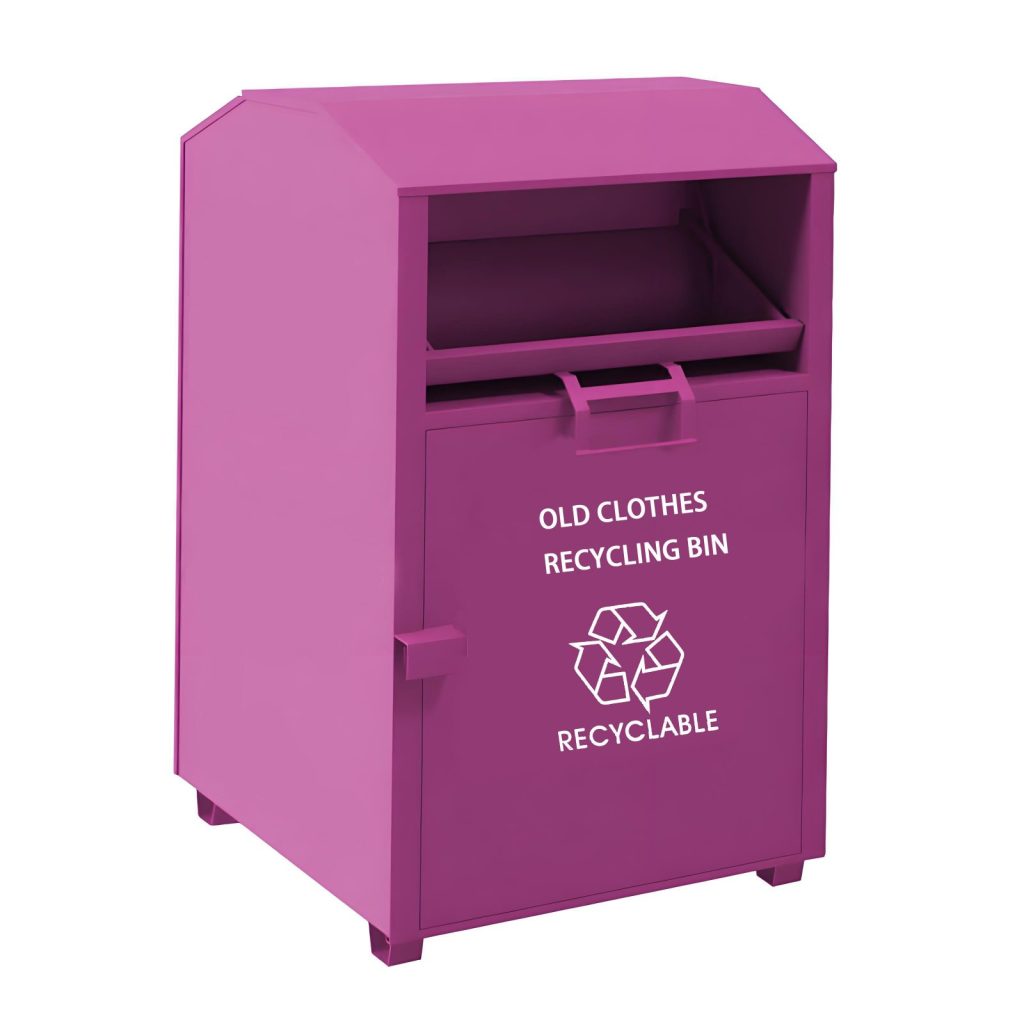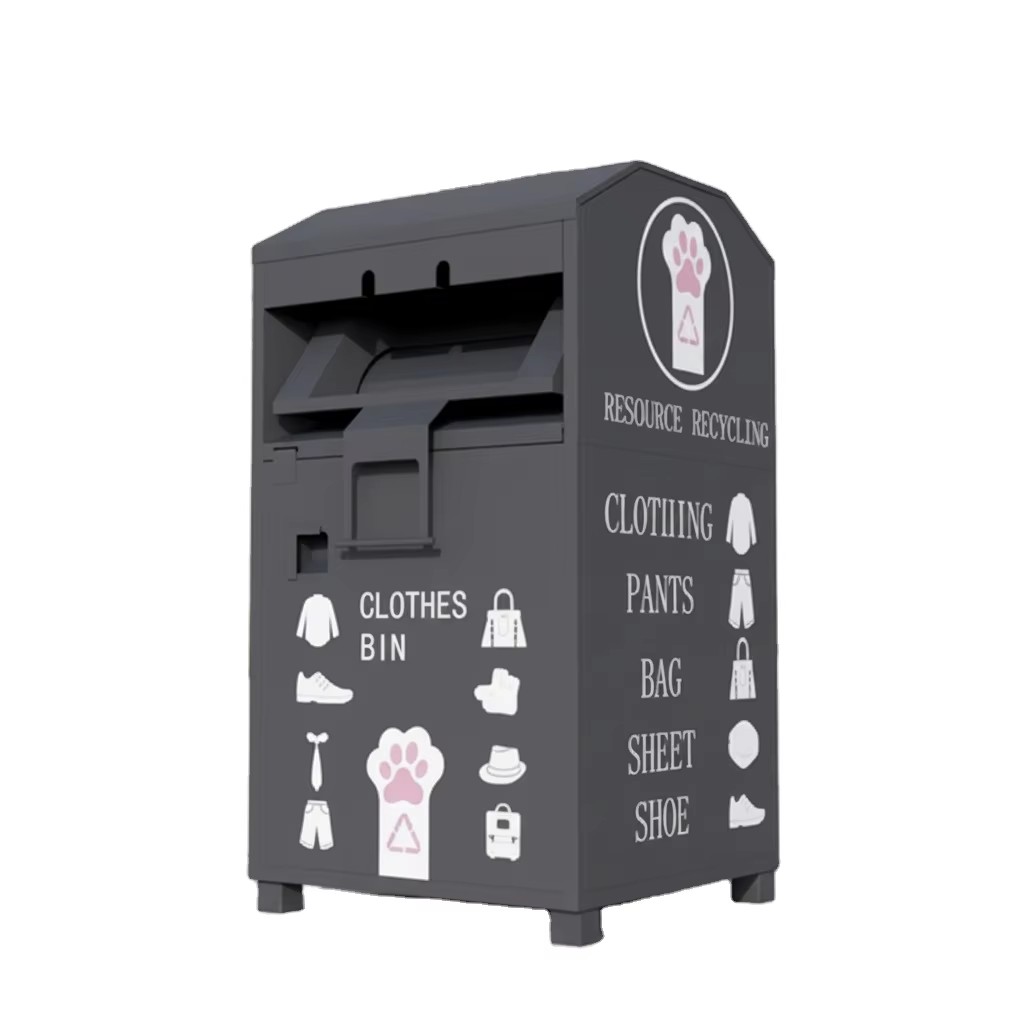
Clothing Recycling Bins vs. Donation Bins: What’s the Difference?
You find an old jacket at the back of your closet. It’s a little worn, but you feel guilty throwing it away. So you drive past a bin on the way to the grocery store, drop it in, and feel good about it. Simple enough, right?
Not quite. That bin might be a donation bin, a recycling bin or something else entirely. They often look alike, they’re placed in similar locations, and most people use them interchangeably. But what happens inside that bin and where your clothes end up, which can be very different depending on which one you used.
Here’s a clear breakdown of what sets them apart.
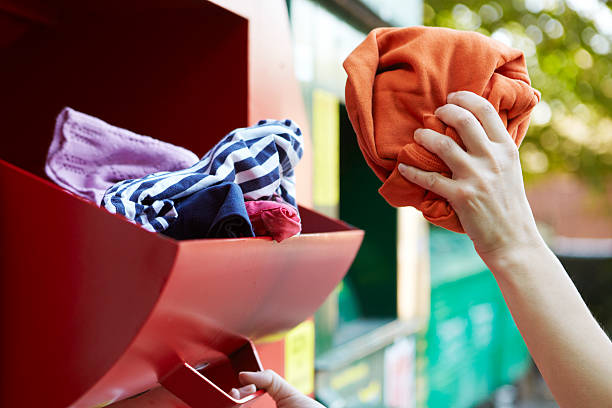
Difference 1: Purpose
The most fundamental difference is what each bin is actually designed to do.
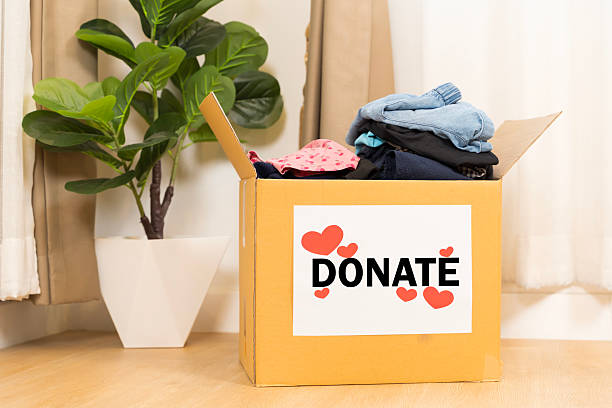
Donation bins exist to extend the life of clothing. The assumption is that what you drop in is still wearable — someone else will use it, whether locally through a thrift store or abroad through bulk export. The goal is reuse, not processing.
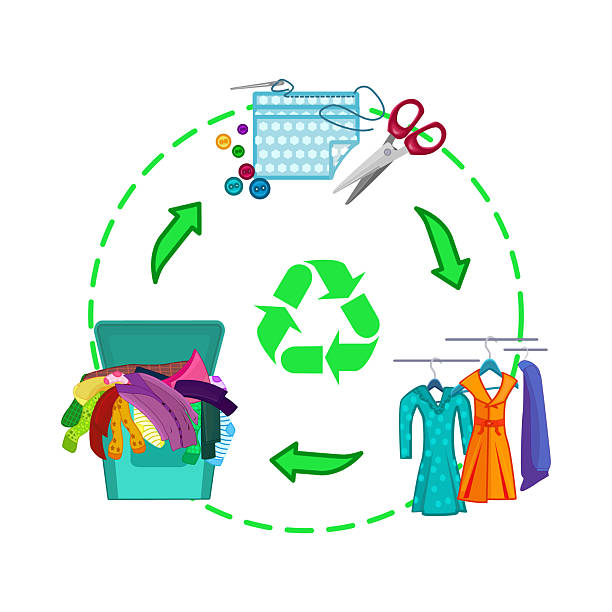
Clothing recycling bins, on the other hand, are designed for textiles that have reached the end of their wearable life. The focus isn’t on finding the garment a new owner, it’s on recovering the material itself and putting it back into use in some form, whether that’s industrial fiber, insulation, or repurposed fabric.
In short, donation bins are about the garment, recycling bins are about the material.
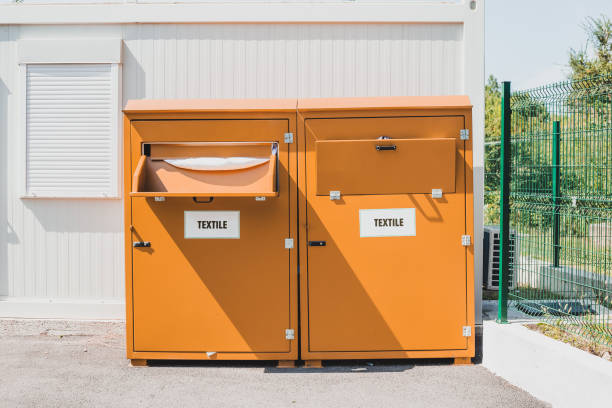
Difference 2: Who Runs Them — And Why It Matters
This is where things get more complicated, because the answer isn’t always obvious from the outside.
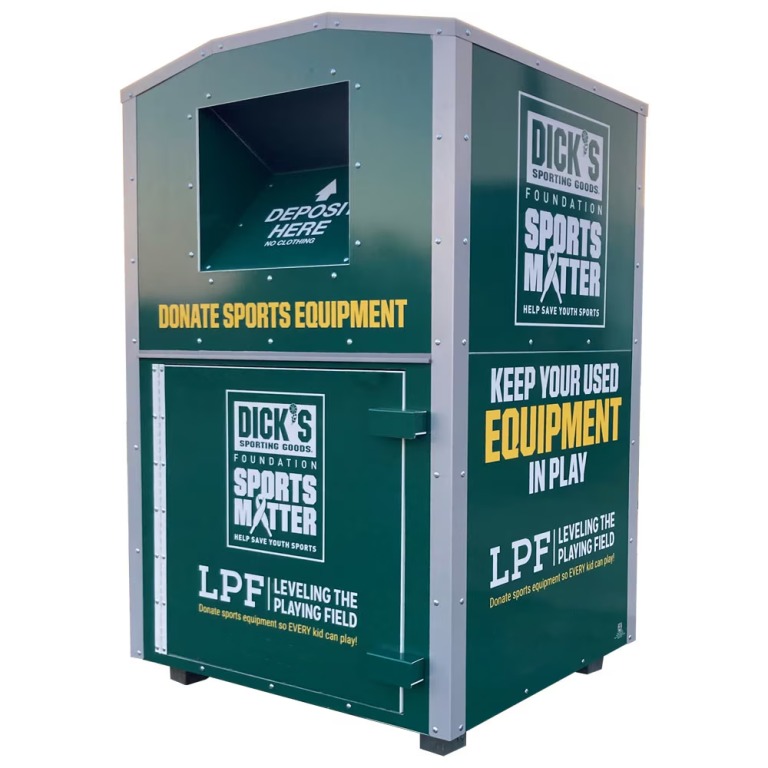
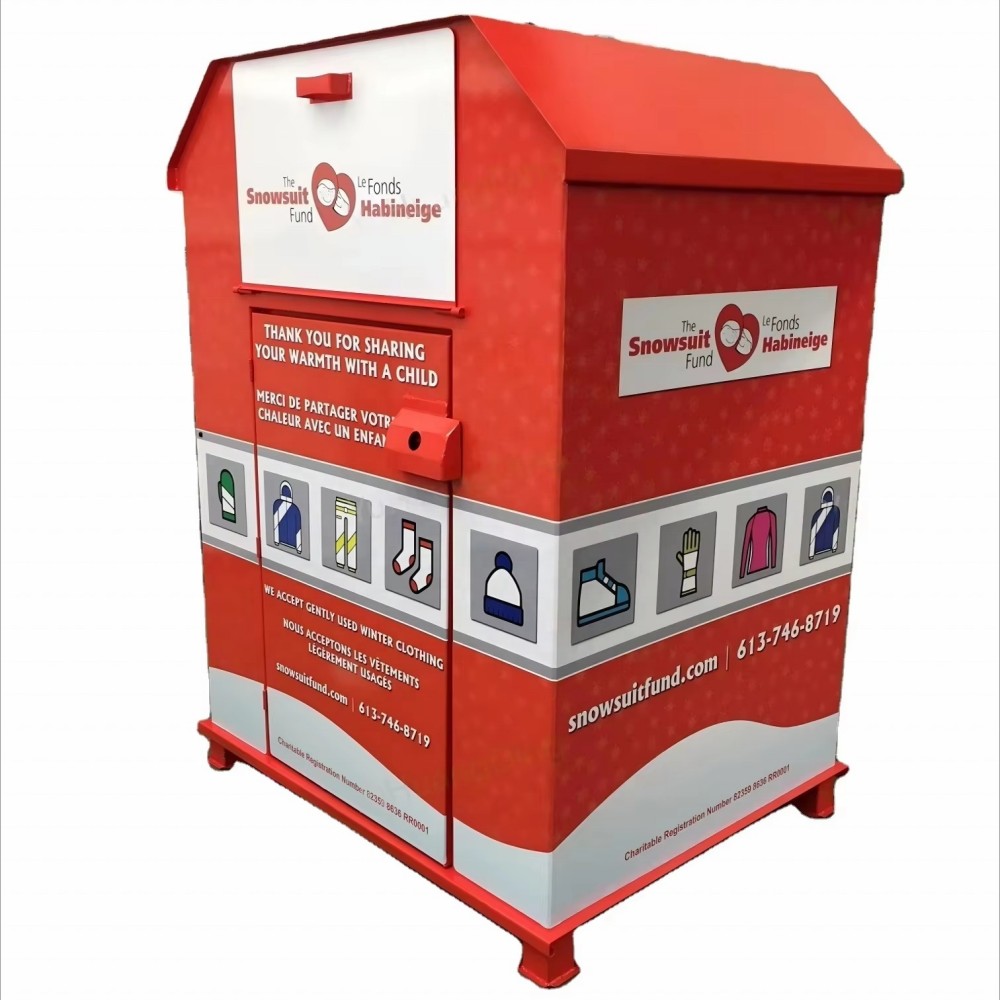
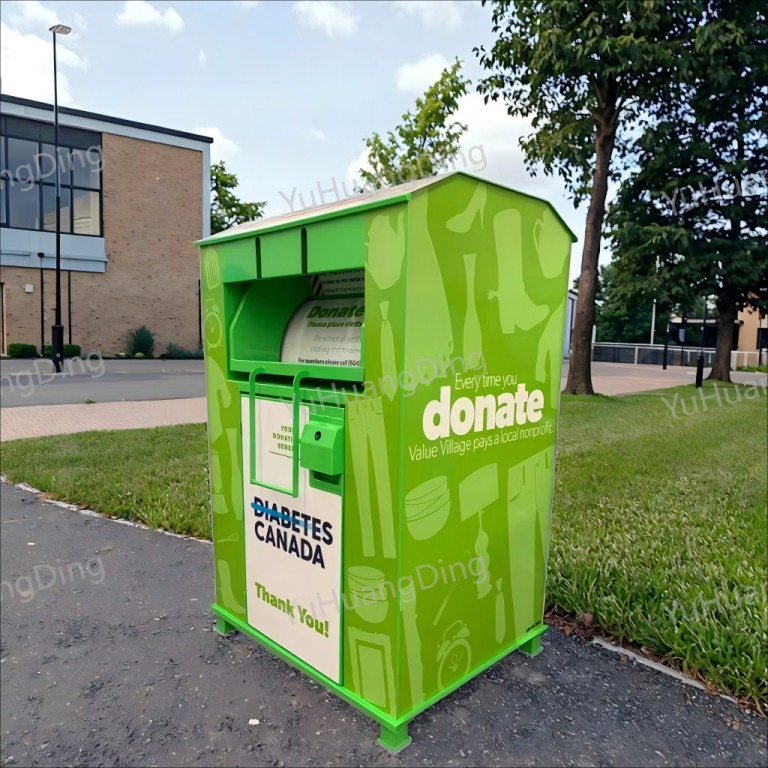
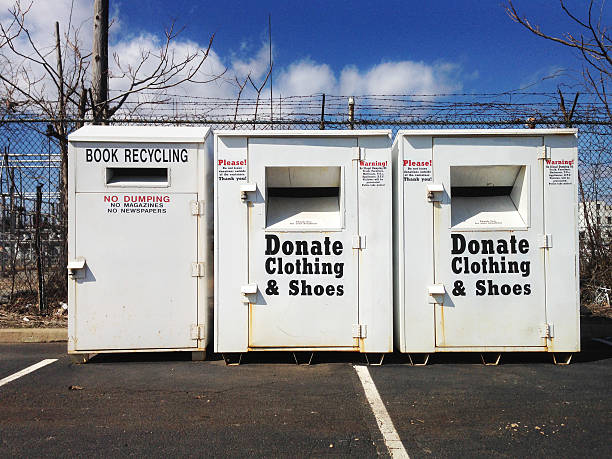
Donation bins are operated by a mix of charities, nonprofits, and for-profit companies. Well-known organizations like Goodwill, the Salvation Army, and Big Brothers Big Sisters all run legitimate donation programs. But not every bin in a parking lot represents one of them.
Clothing recycling bins are typically operated by textile recycling companies or sustainability-focused organizations. Their business model revolves around processing materials — sorting, baling, and sending textiles to manufacturers or processors, rather than resale.
Here’s the part most people don’t know: a large number of bins on the street are run by for-profit companies not charities, even when they look like they belong to one.
Many clothing donation bins are operated by for-profit recycling companies. In some cases, a charity simply licenses its name to a bin operator in exchange for a cash payment, meaning very little of the value actually reaches the charitable cause. The arrangement can be technically legal, but it’s far from transparent.
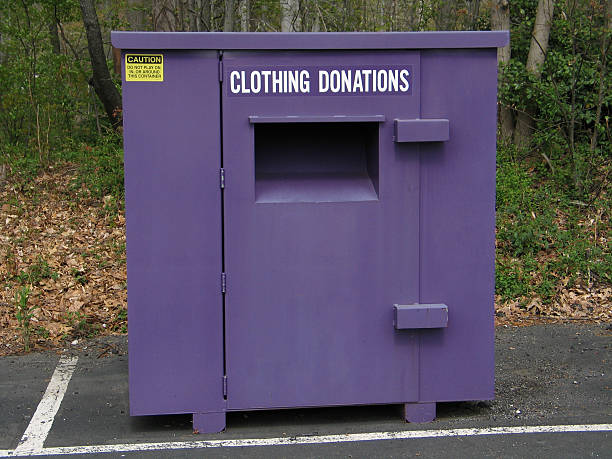
A New York operator set up more than 1,100 collection bins and sold the collected clothing to overseas buyers, earning roughly $10 million, while two charities received only a small portion in exchange for the use of their names and logos. More recently, Connecticut’s Department of Consumer Protection found 120 non-compliant charity bins in a single field investigation, issuing 23 tickets for issues including improper labeling, missing registration, and lack of permission from property owners.
Teach you how to spot the difference:
- Look for a registered charity name and contact information on the bin
- Check whether the organization is registered with your state’s charity regulator
- Be cautious if the bin only says “clothing drop” or “reduce, reuse, recycle” with no clear organization name
- When in doubt, donate directly to a physical thrift store instead
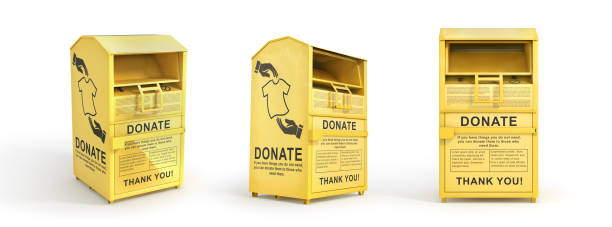
Difference 3: What Items They Accept
Donation bins generally expect items that are clean, dry, and still wearable. Torn seams, broken zippers, heavy staining, these usually disqualify a garment from the donation stream. Dropping damaged items into a donation bin doesn’t just mean they’ll be rejected; it can actually create extra work and cost for the organization receiving them.
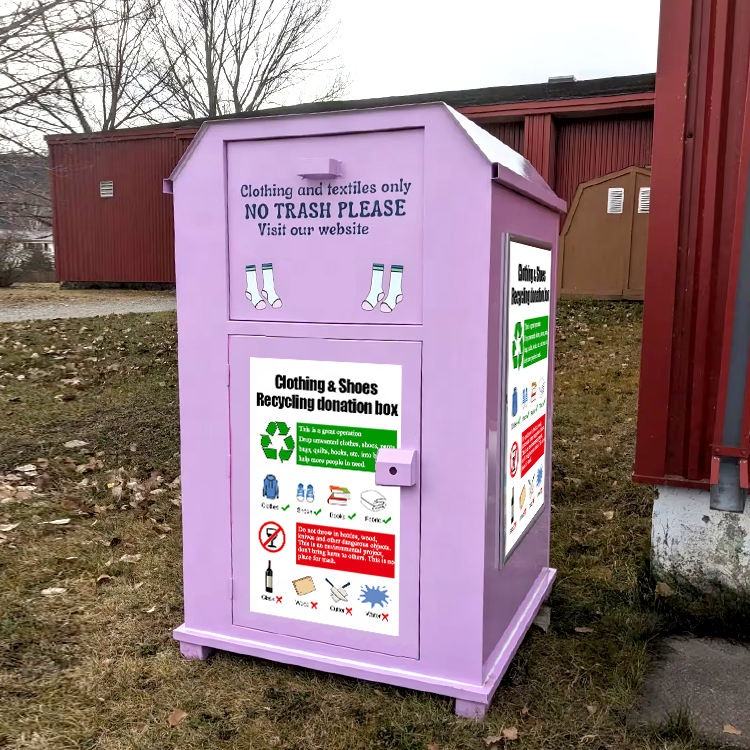
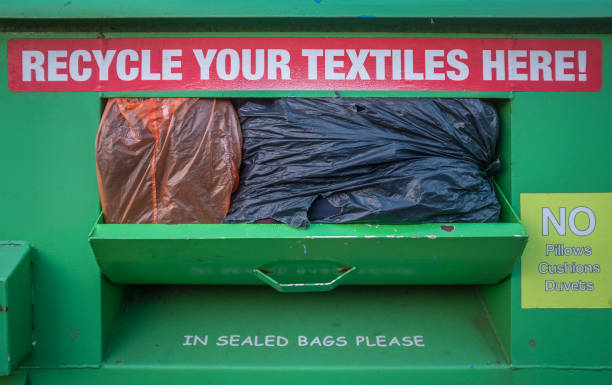
Clothing recycling bins have a much broader scope. Damaged, faded, or unwearable textiles are exactly what these bins are designed for. Beyond clothing, many recycling bins also accept shoes, bags, belts, and household linens like towels and bedsheets. If something can’t be worn again but is made of fabric, a recycling bin is likely the right place for it.
A simple way to remember it: if you’d be embarrassed to give it to a friend, put it in recycling, not donation.
Difference 4: Where the Clothes Actually Go
People want to know this question more than any other.
From a donation bin, clothing typically follows one of several paths:
- Directly to a thrift store — the best case scenario, where items are priced and sold locally.
- Exported in bulk — items that don’t sell domestically are often baled and shipped to markets in Africa, South Asia, or Eastern Europe.
- Sold to a textile recycler — according to a report by Fox Television Stations, only about half of the clothes donated to Goodwill are suitable for its retail stores and ecommerce channels; the rest moves through outlet stores, bulk sales, or textile recyclers.
From a recycling bin, the journey is more materials-focused:
- Sorting facility — textiles are sorted by material type and condition
- Mechanical recycling — fibers are shredded and repurposed into insulation, carpet padding, or industrial rags
- Downcycling — lower-quality materials that can’t be turned into new fabric still get diverted from landfill into secondary uses
You can make better decisions after you learn about both options.
Difference 5: Environmental and Social Impact
Both bins keep clothing out of landfills — and that alone has value. According to EPA data, 66% of textile waste in the U.S. is landfilled, while only 15% is recycled. Any system that shifts those numbers is a step forward.
But the nature of the impact differs. Donation bins tend to have a more direct social impact, especially when connected to legitimate charities. Revenue from thrift sales often funds local employment programs, shelter services, or job training. For organizations like Big Brothers Big Sisters of Long Island, clothing donations account for around 40% of their annual budget.
Recycling bins address the environmental side of the equation more directly. According to a 2025 report by Boston Consulting Group, approximately $150 billion in raw material value is lost every year because textiles are sent to landfill or incinerated rather than recovered. Recycling bins can help capture some of that value when properly operated.
The honest answer is that neither bin type solves the bigger problem on its own. In 2024, approximately 80% of discarded clothing ended up in landfills or incinerators, while less than 1% was recycled into new fibers. Both systems are necessary, and both are still far from where they need to be.
Let’s look at A Quick Comparison
| Donation Bin | Recycling Bin | |
| Primary goal | Reuse — find clothing a new owner | Recovery — extract value from materials |
| Condition required | Clean and wearable | Any condition |
| Items accepted | Clothing, shoes, accessories | Clothing, linens, textiles of all kinds |
| Who runs it | Charities, nonprofits, or for-profit companies | Textile recycling companies or environmental organizations |
| Where clothes go | Thrift stores, overseas export, textile recyclers | Sorting → resale, fiber recycling, or industrial reuse |
| Primary impact | Social (community programs, employment) | Environmental (diverting waste from landfill) |
What Happens If You Use the Wrong One?
Putting damaged clothes in a donation bin creates extra sorting and disposal costs for charities. Items that can’t be sold have to be handled, transported, and discarded — and when too much unusable material comes in, it reduces the revenue these organizations depend on to fund their programs.
Putting perfectly good clothing in a recycling bin isn’t harmful, but it’s a missed opportunity. A garment that someone could still wear is worth more as clothing than as shredded fiber.
The most effective approach: check the condition of your item before deciding where it goes. One bag, two destinations.
A Note for Businesses and Property Managers
Most people find it easy to decide between recycling bins and donation bins according to their personal preference. The situation requires different standards for businesses and building managers and property owners and community organizations. The act of placing a bin or partnering with one requires you to endorse the bin. Your staff members and building occupants will utilize the bin while developing their opinions about it. Your organization will face negative consequences when a bin becomes deceptive or operates with an unreliable business partner.
Recent years have seen significant progress in establishing responsible textile collection systems for reliable operations. Your organization can provide an effective recycling service through partnership with a trusted recycling operator who provides transparent information about their material handling practices.
Curious about setting up responsible clothing collection at your property or organization? Get in touch with our team to learn about our certified textile recycling bin program.
Related Products