Cast Iron vs. Aluminum Outdoor Furniture Restoration: Key Differences You Need to Know
If you’ve ever picked up a wire brush and stared at a piece of outdoor furniture wondering where to even start, you already know that restoration isn’t one-size-fits-all. The process for cast iron looks almost nothing like what you’d do for aluminum — and using the wrong approach doesn’t just waste your time, it can actually make things worse.
So before you head to the hardware store, it’s worth understanding what you’re actually working with.
They Age Differently — And That Changes Everything
The first thing to understand is that cast iron and aluminum fail in completely different ways.
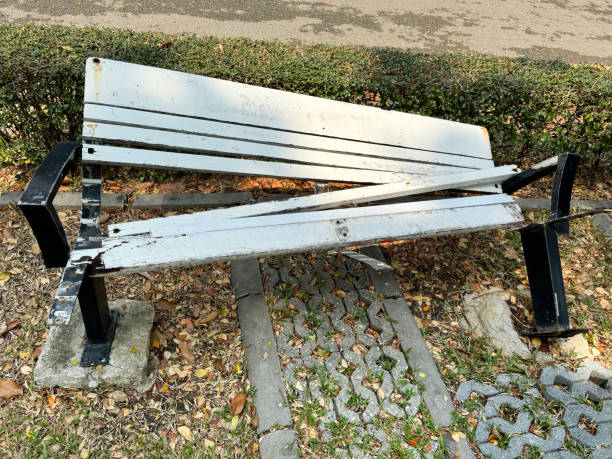
Cast iron is dense and strong, but it’s also highly reactive to moisture. Leave it exposed to rain and humidity long enough, and you’ll get rust that deep orange-brown corrosion that can eat through the surface if ignored. The good news is that rust is treatable. The bad news is that it requires more effort to remove, and you have to move quickly before it spreads into the structure of the piece.
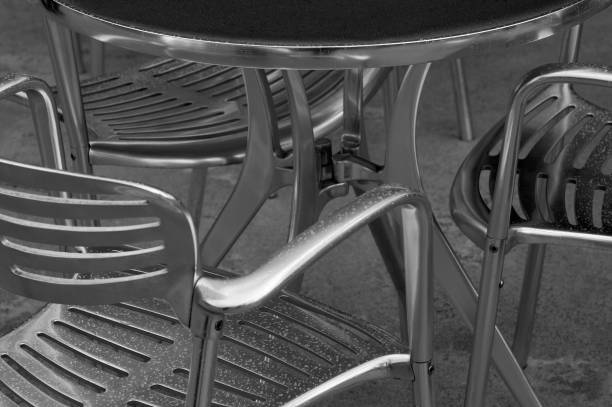
Aluminum, on the other hand, doesn’t rust. It oxidizes. When aluminum is exposed to the elements, it develops a chalky white or gray film on the surface — this is actually aluminum oxide forming a protective layer. It won’t destroy the furniture the way rust destroys iron, but it does make the surface rough, dull, and difficult to paint over. If you’ve ever tried to apply paint directly to oxidized aluminum without preparing the surface first, you’ll know exactly how quickly it peels.
Understanding this distinction matters because it determines what products you use, how aggressively you work the surface, and how long the restoration will hold up.
Surface Preparation: Where the Real Work Happens
Cast Iron
With cast iron, the goal at this stage is to get rid of the rust — all of it. Loose rust can be scrubbed off with a stiff wire brush or, for larger pieces, a wire wheel attachment on a drill. For rust that’s deeper or more stubborn, a commercial rust remover like Rust-Oleum Rust Dissolver or a phosphoric acid-based product can chemically convert the rust into a more stable compound, making it easier to work with.
Once the surface is clean, sand it down starting with 60–80 grit sandpaper to smooth out the rough spots and pitting. You’re not trying to make it perfect at this stage — just even enough to hold a primer.
One thing worth noting: cast iron is heavy. If you’re working on a bench or a table frame, you may need an extra set of hands just to move it into a position where you can reach every angle. Plan for that before you start.

Aluminum
Aluminum requires a lighter touch. Since the issue is oxidation rather than rust, your cleaning agents are different. White vinegar works well for mild oxidation — apply it, let it sit for a few minutes, and scrub with a non-abrasive pad. For heavier oxidation, an aluminum brightener (available at most auto parts stores) will cut through the buildup more efficiently. Cleaning aluminum properly before painting is one of the most commonly skipped steps — and the most common reason paint fails early.
When it comes to sanding, switch to fine-grit paper — 120 to 220 grit. Aluminum scratches more easily than cast iron, and deep scratches from coarse sandpaper will show through your topcoat. Work gently and in the direction of any existing grain or texture.
Primers and Paint: Not Interchangeable
This is where most people make mistakes, because the primer you need for each material is genuinely different — and using the wrong one significantly shortens how long the finish lasts.
Cast Iron
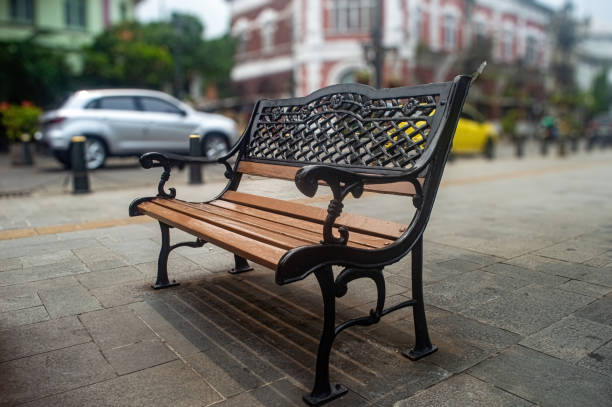
For cast iron, use a rust-inhibiting primer. This type of primer bonds to the metal and creates a barrier against future moisture and oxidation. Brands like Rust-Oleum’s Stops Rust series are widely available and designed specifically for this purpose. Apply two thin coats and let each one dry fully before moving on.
For the topcoat, oil-based enamel is the traditional choice for cast iron — it’s durable, hardens well, and holds up to outdoor conditions. High-temperature paint is another option if the piece will be placed near a heat source like an outdoor fire pit.
Aluminum
Aluminum is notoriously difficult to paint because it’s non-porous and smooth, which means paint doesn’t have much to grip onto. The solution is a self-etching primer or an adhesion promoter, which is specifically formulated to chemically bond to metal surfaces like aluminum. Without it, even a perfectly painted surface is likely to chip or peel within a season.
Once primed, aluminum takes acrylic or latex-based topcoats well. These paints remain slightly flexible when dry, which matters because aluminum expands and contracts with temperature changes. A rigid paint film would crack over time.
Difficulty and Time Commitment
It’s fair to say that cast iron restoration takes longer and requires more physical effort. The material is heavy, the surface prep is labor-intensive, and rust removal can take several hours on a heavily corroded piece. That said, the results are durable, and properly restored cast iron furniture can last for many more decades.
Aluminum is lighter and generally easier to maneuver, but it demands more precision. The surface prep has to be thorough — any remaining oxidation under the primer will cause adhesion problems — and you have to be careful not to scratch the surface during sanding. Rushing this stage is a common mistake.
For a realistic time estimate: a single cast iron chair might take a full weekend from start to finish, while an aluminum chair could be done in a day if the oxidation isn’t severe.
After Restoration: Keeping It That Way
The work doesn’t stop once the paint is dry. How you maintain each material afterward will determine how long the restoration holds.
Cast iron needs ongoing protection from moisture. Applying a coat of paste wax or a rust-prevention spray once a year goes a long way — especially before winter storage. If you live in a humid climate, this step is non-negotiable. The Family Handyman recommends storing cast iron furniture indoors during wet seasons whenever possible, and using furniture covers as a minimum barrier when indoor storage isn’t an option.
Aluminum is comparatively low-maintenance. It won’t rust even if the paint chips, though repainting damaged areas promptly will keep oxidation from building up again underneath. A simple cleaning with mild soap and water a few times a year is usually enough to keep it looking good.
Quick Comparison at a Glance
| Cast Iron | Aluminum | |
| Primary damage | Rust | Oxidation (chalking) |
| Abrasive for prep | 60–80 grit sandpaper | 120–220 grit sandpaper |
| Rust/oxidation remover | Rust remover / phosphoric acid | White vinegar / aluminum brightener |
| Primer type | Rust-inhibiting primer | Self-etching primer / adhesion promoter |
| Topcoat | Oil-based enamel | Acrylic or latex-based paint |
| Time required | Full weekend+ | 1 day (if oxidation is light) |
| Annual maintenance | Wax or rust-prevention spray | Basic cleaning, touch-up paint |
- Related Readings: How to Restore and Refinish Weathered Outdoor Metal Furniture?
Which One Is Harder to Restore?
Honestly, they each have their challenges — just in different areas.
Cast iron demands more physical work upfront, but the restoration process is fairly forgiving once the rust is gone. Aluminum is easier to handle but requires more attention to detail in the prep stage, because the finish will only be as good as what’s underneath it.
The most important thing in both cases is to take the surface preparation seriously. It’s the step people most often rush, and it’s where most restorations fail. Get that right, use the correct products for your material, and you’ll end up with furniture that looks great and holds up for years.At HD, we’ve spent years designing and manufacturing outdoor furniture built to last which means we also understand what it takes to bring a well-loved piece back to life. If you’re unsure about your furniture’s material, finish, or the best restoration approach for your specific piece, our team is happy to help. Contact us and we’ll point you in the right direction.
Related Products