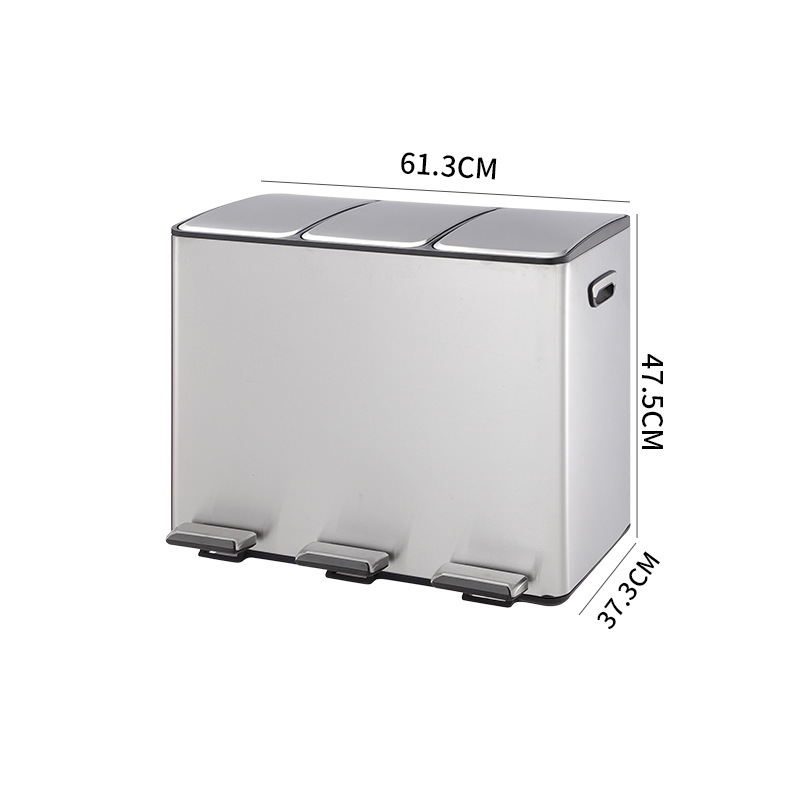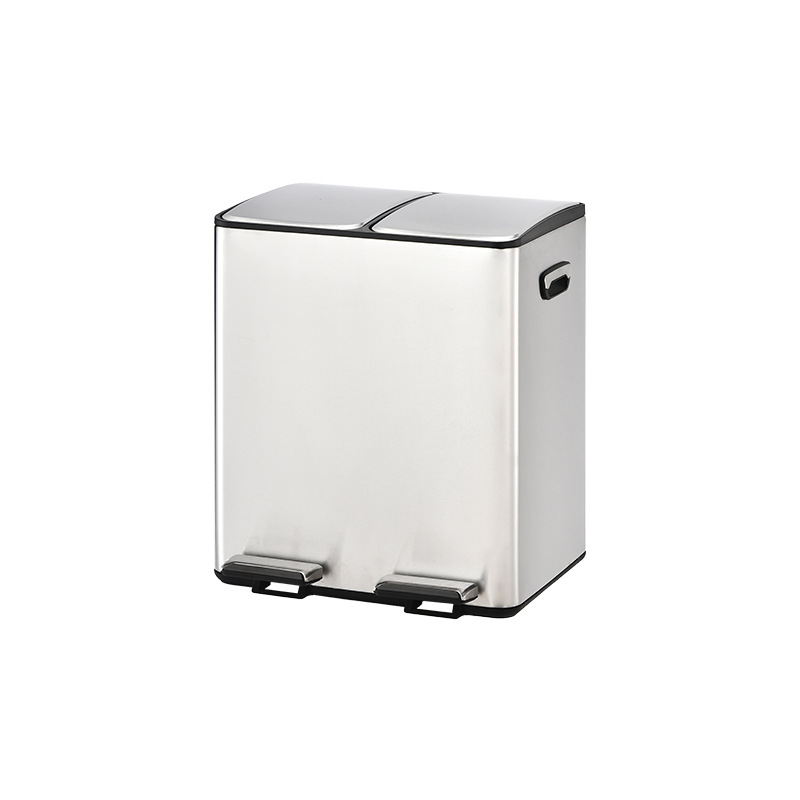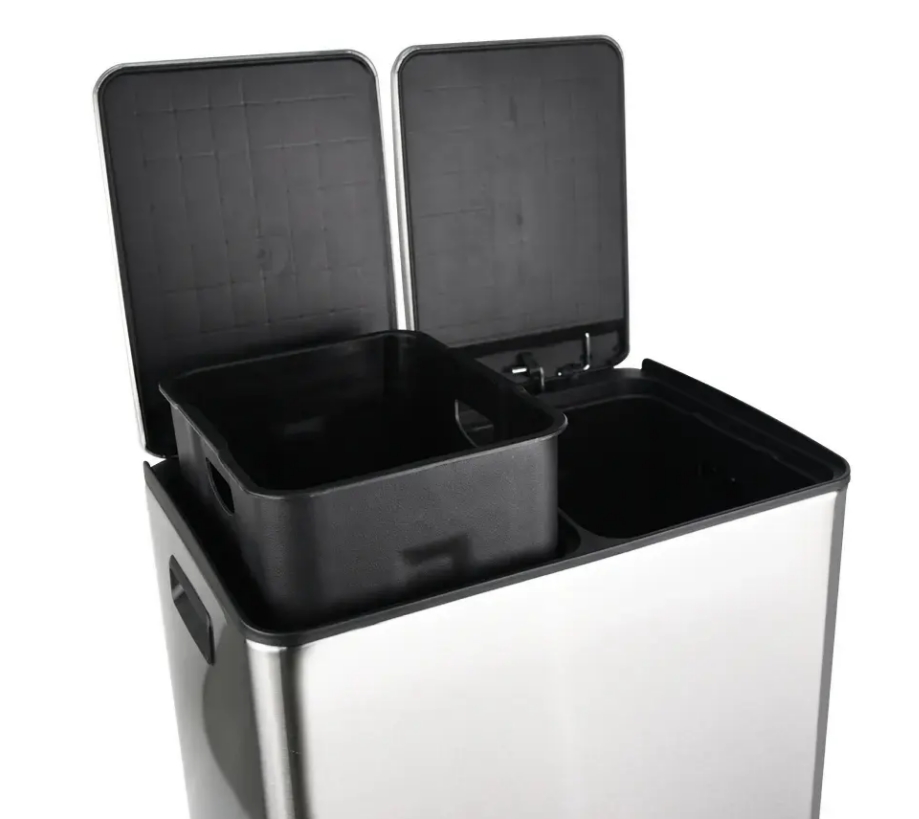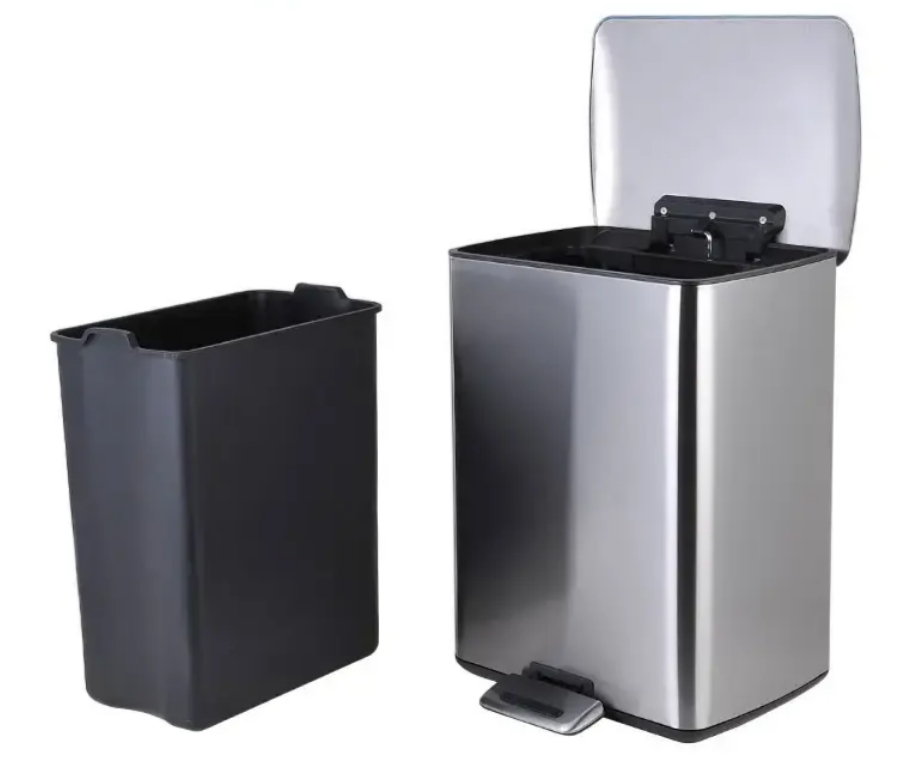
How to Ensure Consistent Quality When Ordering Pedal Trash Cans in Bulk
The process of ordering pedal trash cans in bulk appears straightforward to people who first encounter it. The business requires two things: The same product that the factory produces must be delivered in greater quantities. Quality inconsistency is the most common problem buyers encounter in wholesale business operations, as it occurs when order sizes increase.
A first sample may look fine, but after shipment arrives, issues start to appear: pedals feel loose, lids don’t close smoothly, paint scratches easily, or inner buckets vary slightly in size. These problems create expenses that consume both time and money while they also damaging customer relationships.
The good news is that most quality issues are predictable and preventable. You need to control the right points in the process.
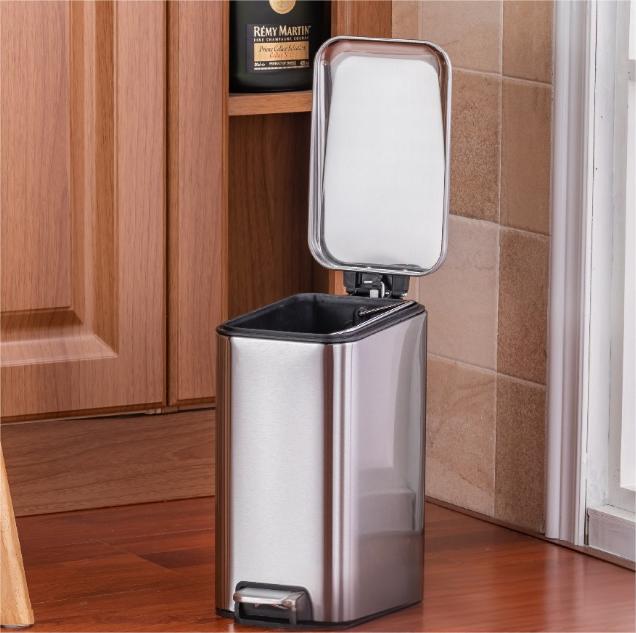
Start With Clear, Measurable Product Standards
One of the things that you are most prone to doing wrong is looking at a mere visual sample. The sample offered is merely a guide on what the final product could be, but never what it actually will be.
Before a bulk deal is approved, the standards of a product must be clearly defined in specific terms – i.e., the strength of materials, structure of pedals, closure speed of lids, fit of inner bucket, etc., including tolerance limits. Indeterminate descriptions such as a “strong pedal” or “good quality stainless steel” do not help.
If possible, it’s a good idea to agree on specific numbers. Thickness in millimeters, weights, the number of pedal cycles tested, and load capacity are all areas where both sides have a specific reference point. When data is specific and measurable, the conversation around quality tends to be objective.
Make Sure the Sample Matches the Mass Production Version
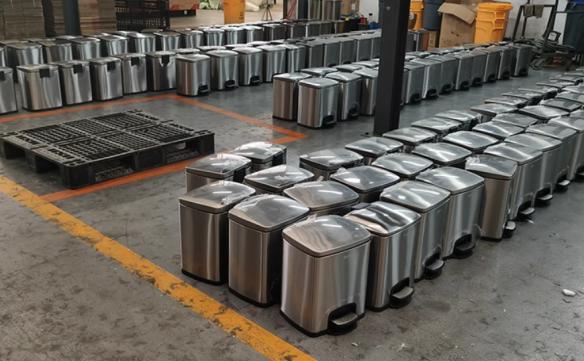
Not all of these samples necessarily reflect actual production. It may be made separately with extra care, leading to unrealistic expectations.
You should confirm whether the sample is:
- Pulled from an existing production line, or
- Produced particularly as a pre-production or ‘golden’ sample
The best course of action is to consider this approved sample as a quality benchmark and ensure it is sealed and labeled as a reference sample. When in production, it’s best to check finished products directly against the sample rather than relying on photographs and text.
This step alone prevents many disputes later.
Focus on Pedal and Lid Performance, Not Just Appearance
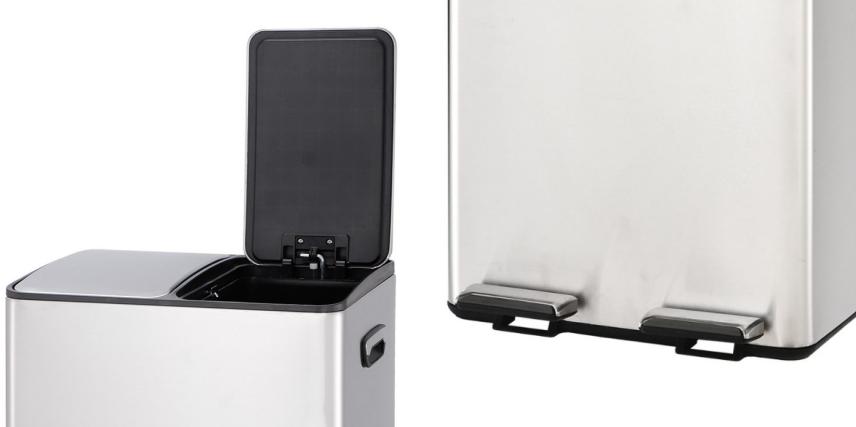
For pedal trash cans, long-term quality has virtually nothing to do with finishes. Complaints for these products center on functional parts, primarily related to the pedal and the lid operation.
Pedals that may be in good condition when inspected might not perform well when repeatedly used if the rods, spring, or weld points inside them are weak. The same case can be said about lids that don’t seem to align perfectly or might not move smoothly when repeatedly used.
You should be concerned with how they are constructed, both inside and out, although your questions about testing criteria or usage schedules can be a telling clue as to how much emphasis a supplier places on functional durability.
Control Material Consistency Across Production Batches
In bulk orders, the factor of materials changing can be a major gamble in terms of consistency. Changes in the thickness of steel or the quality of plastic can have a large impact.
It is also important to ensure that key material is consistent between batches. This includes the material for the bodies of the bicycles, the pedals, the hinges for the lids, and the inner buckets. Stable sourcing will therefore imply a stable quality, but switching will imply switching qualities.
Material points that you might normally verify before mass production:
| Component | What to Confirm | Impact on Quality |
| Outer body | Steel grade & thickness | Strength and dent resistance |
| Pedal system | Rod material & diameter | Pedal lifespan |
| Inner bucket | Plastic type & wall thickness | Durability and odor control |
| Lid hinge | Metal or reinforced structure | Smoothness over time |
Make Quality Control Part of the Process
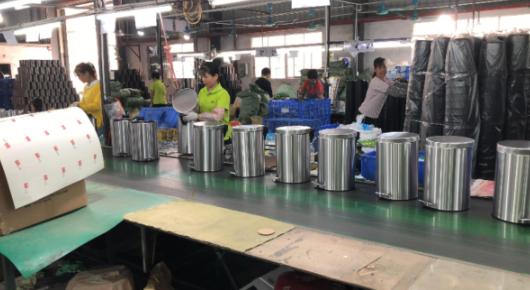
For large-scale orders about pedal trash can, relying solely on final inspection poses risks. By the time the final inspection is completed, problems may have already spread to hundreds or even thousands of products.
More stable and reliable results come from quality control during the production process. This includes monitoring incoming materials, inspecting key assembly points, and conducting random inspections before packaging. Conducting basic production process checks can also detect problems early and prevent them from spreading throughout the entire order.
A supplier who can clearly explain the inspection process and procedures of their production is usually more reliable than those who only talk about the final inspection.
Final
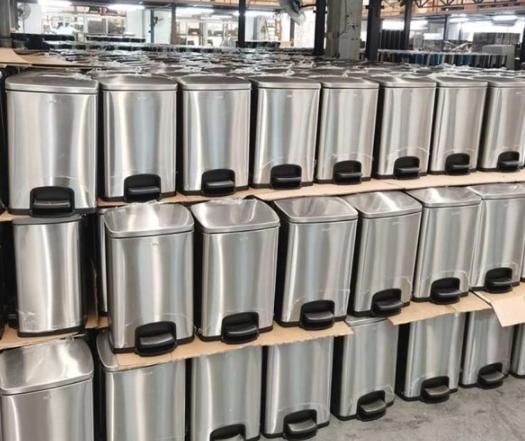
Consistent quality in bulk pedal trash can orders comes down to process control, not chance. Clear standards, stable materials, and reliable pedal mechanisms are what keep product quality consistent from one shipment to the next.
As a manufacturer, we produce pedal trash cans with bulk and repeat orders in mind. From material selection to assembly, our processes are standardized to ensure each batch performs the same in real commercial use.
If you’re looking for a reliable pedal trash can manufacturer for long-term wholesale supply, feel free to contact us to discuss your requirements.
Related Products